


 中文简体
中文简体 Español
 عربى
عربى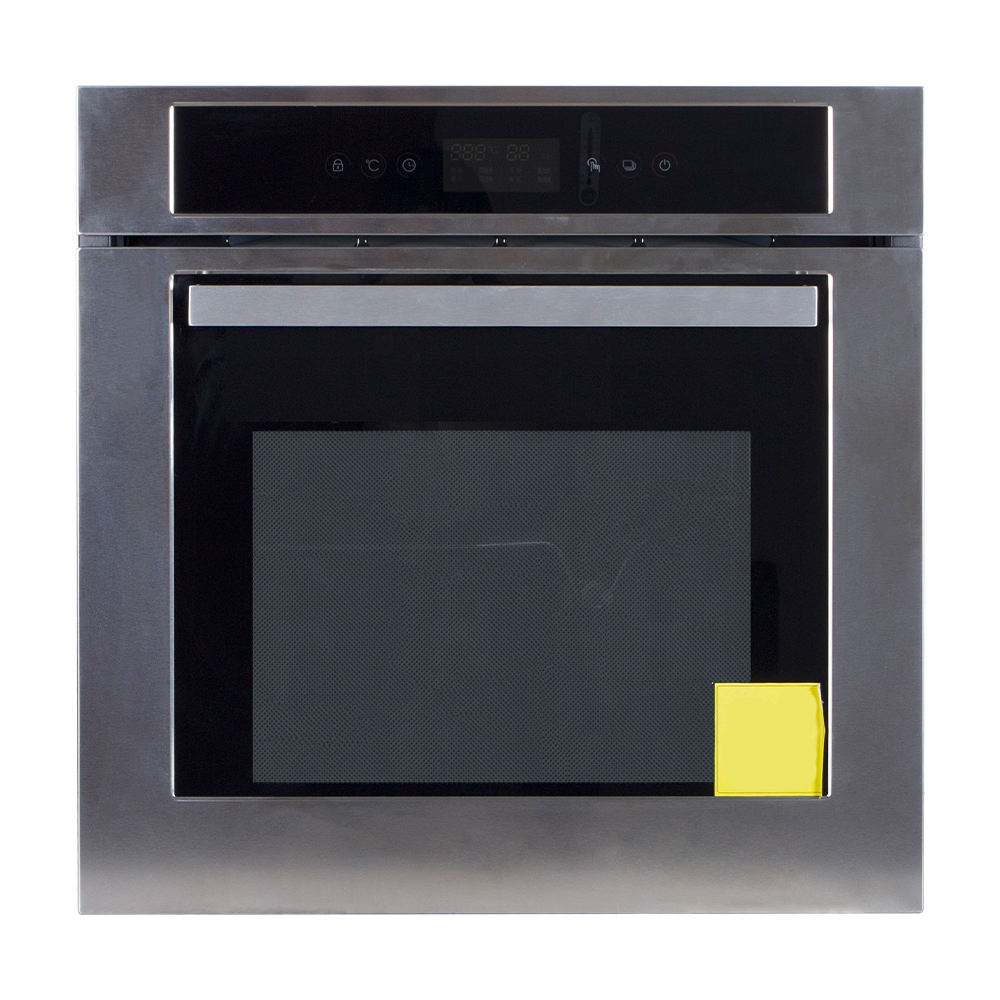
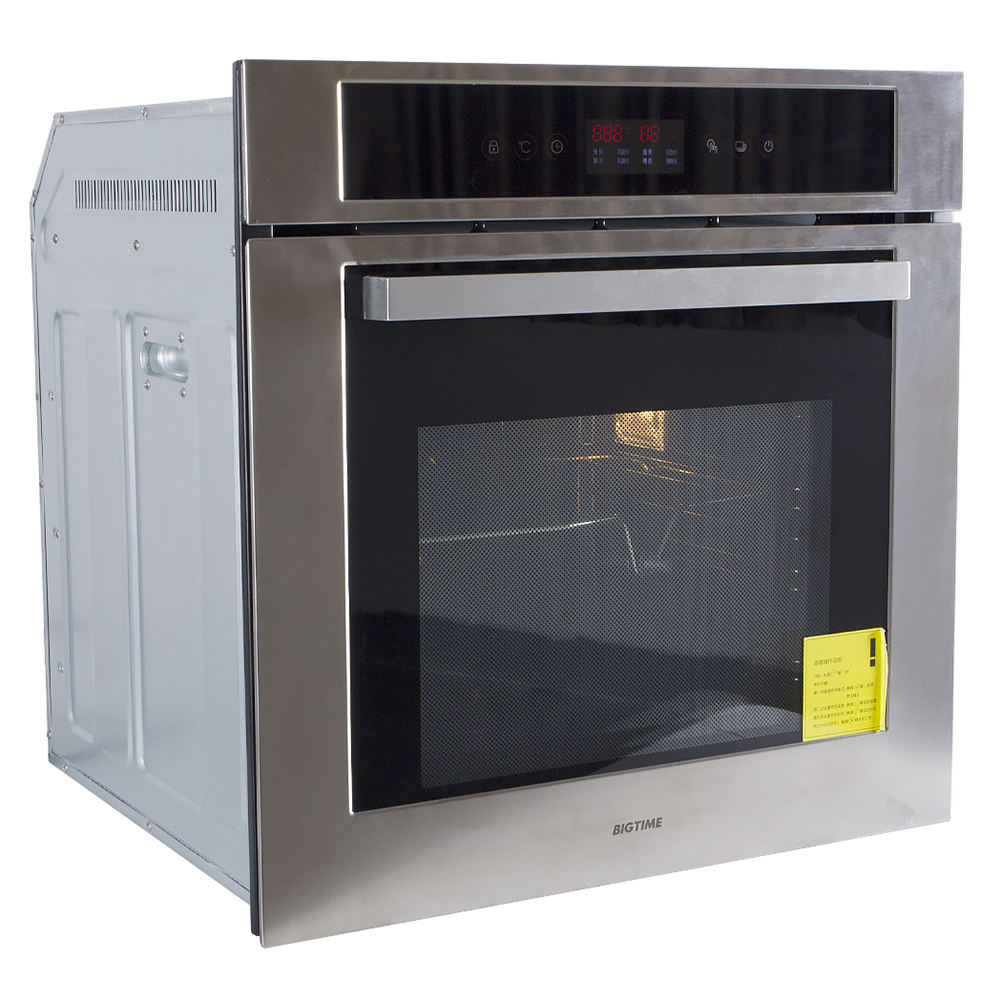
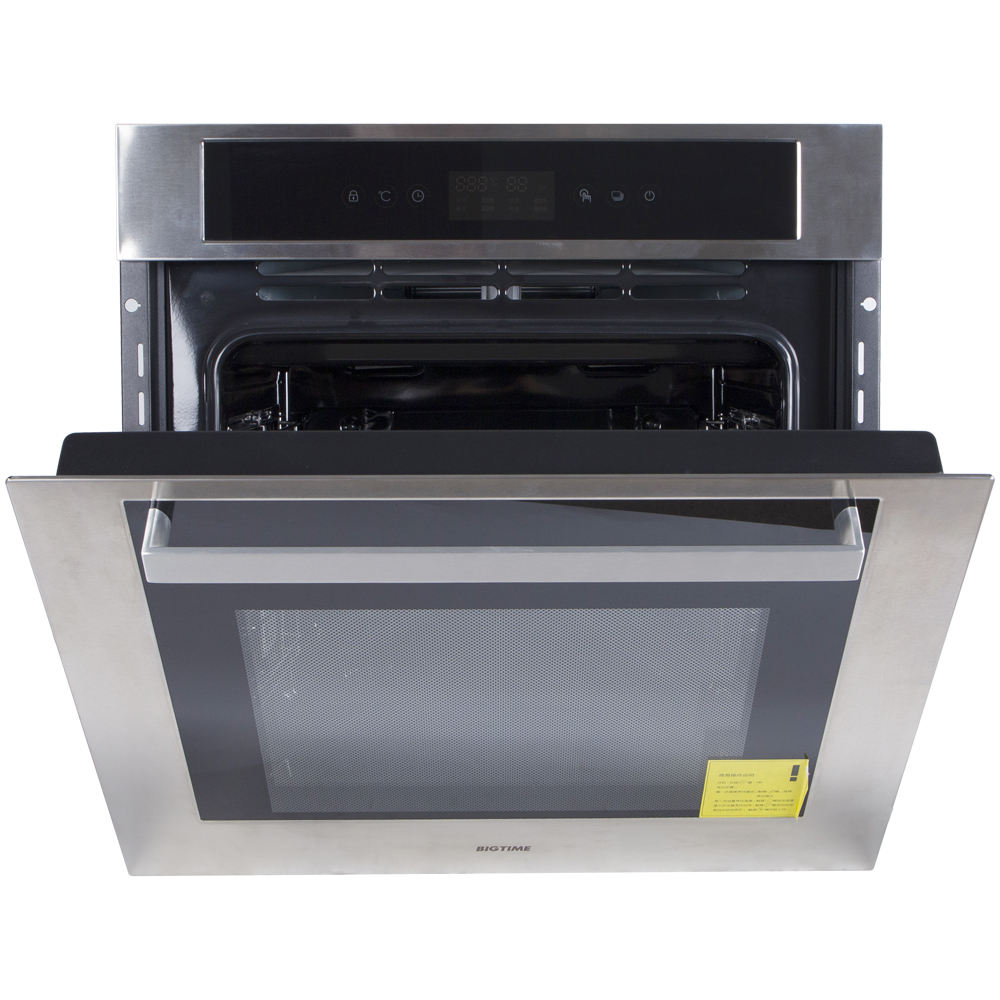
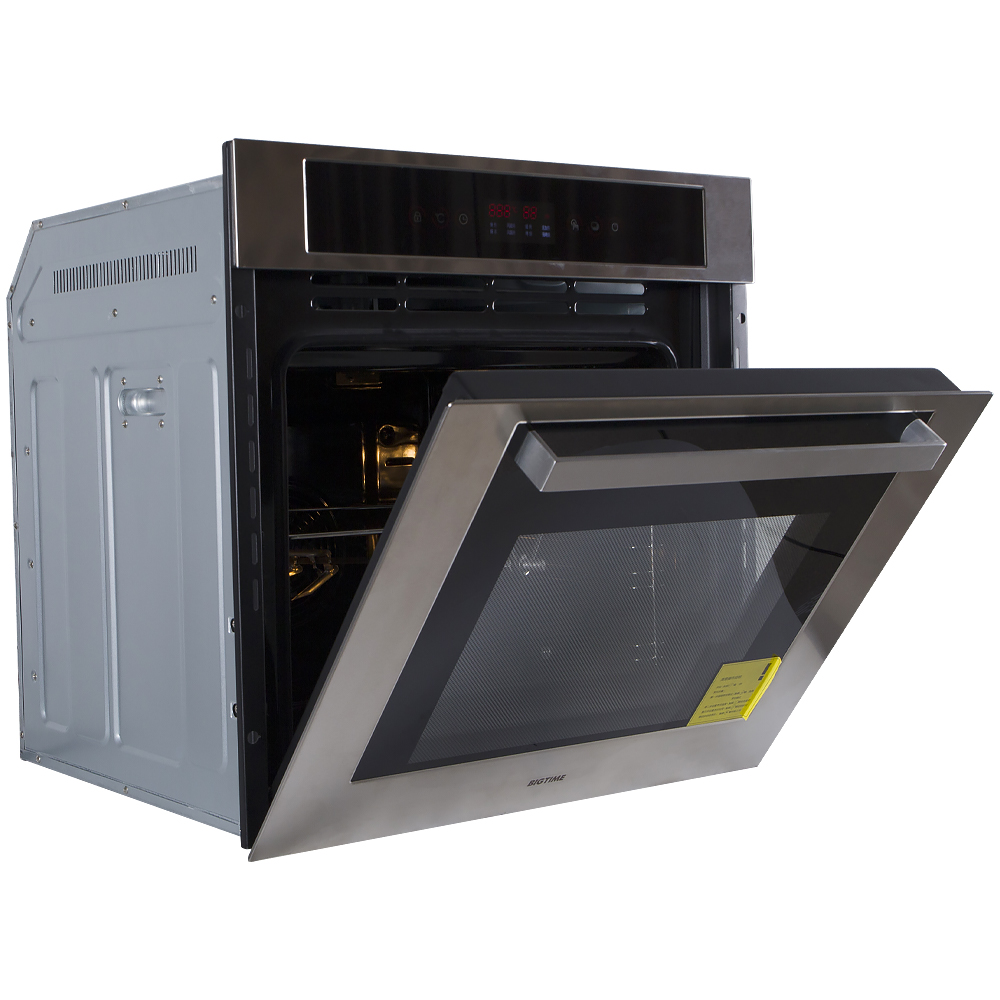
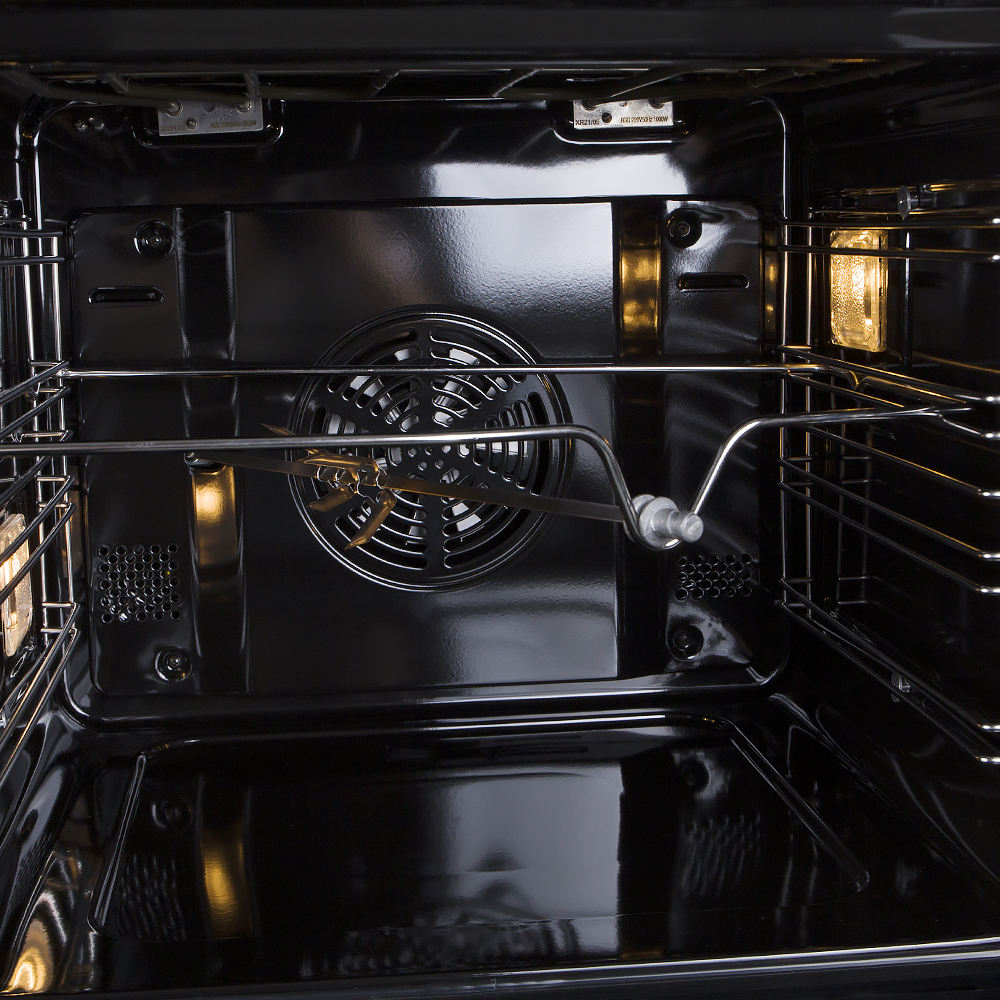
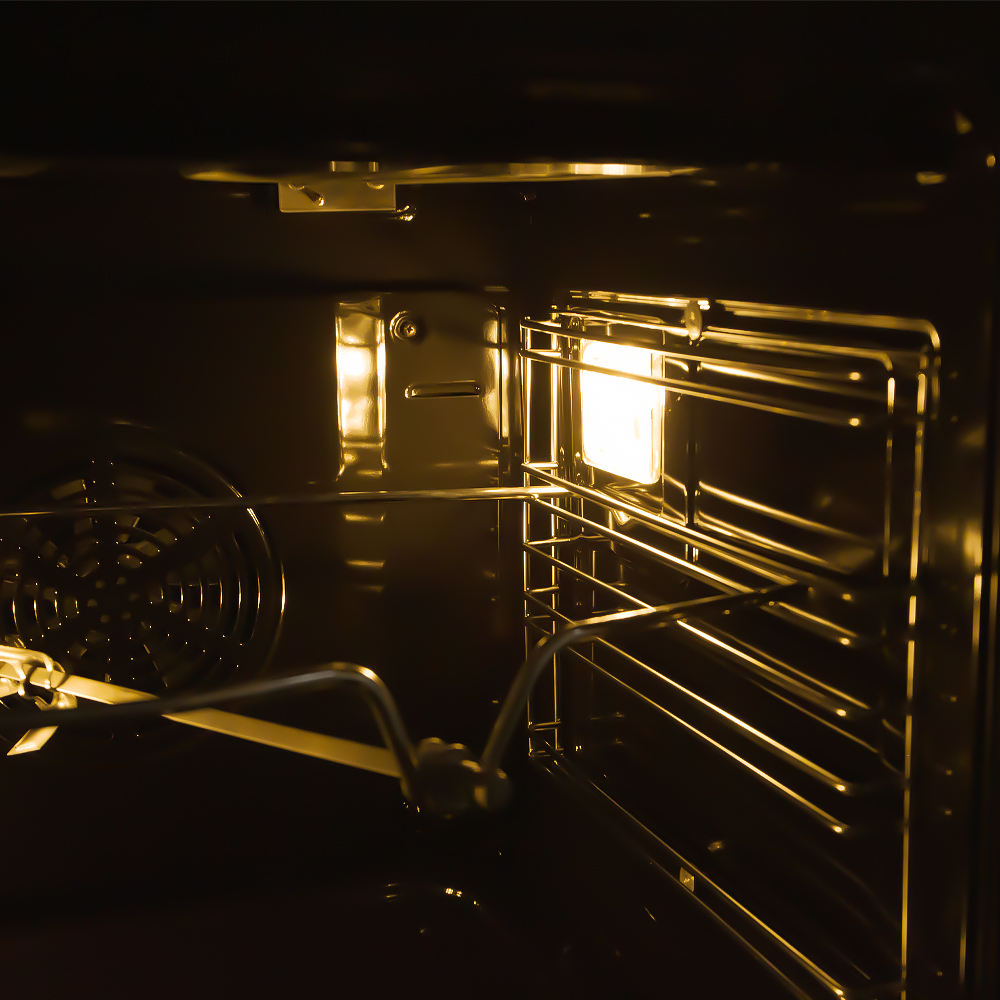
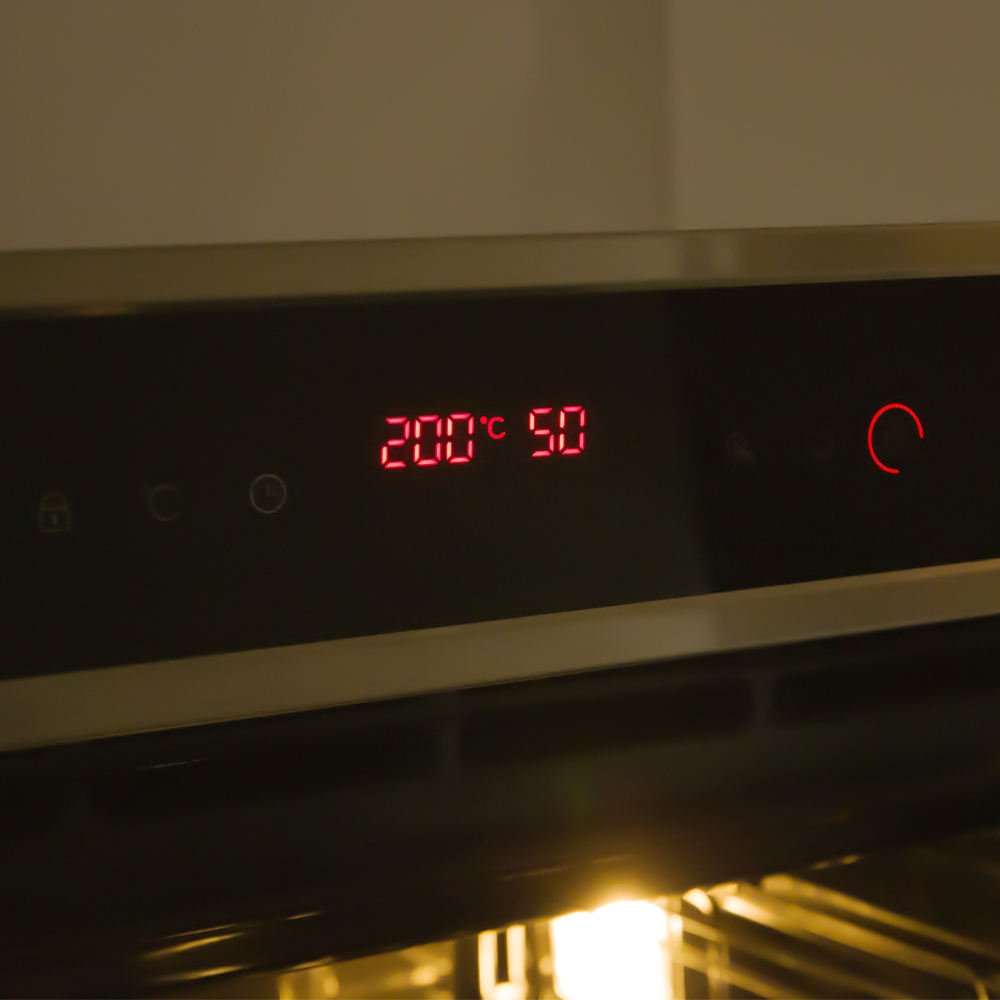

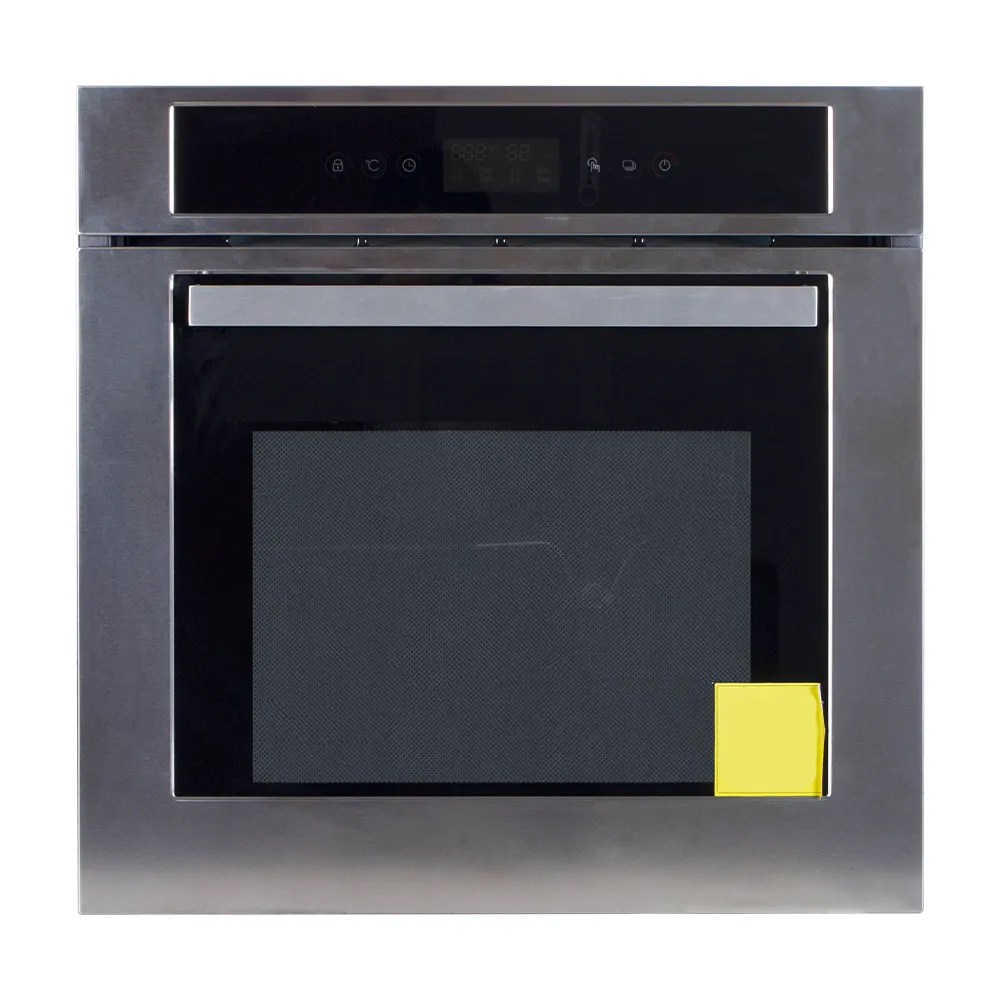
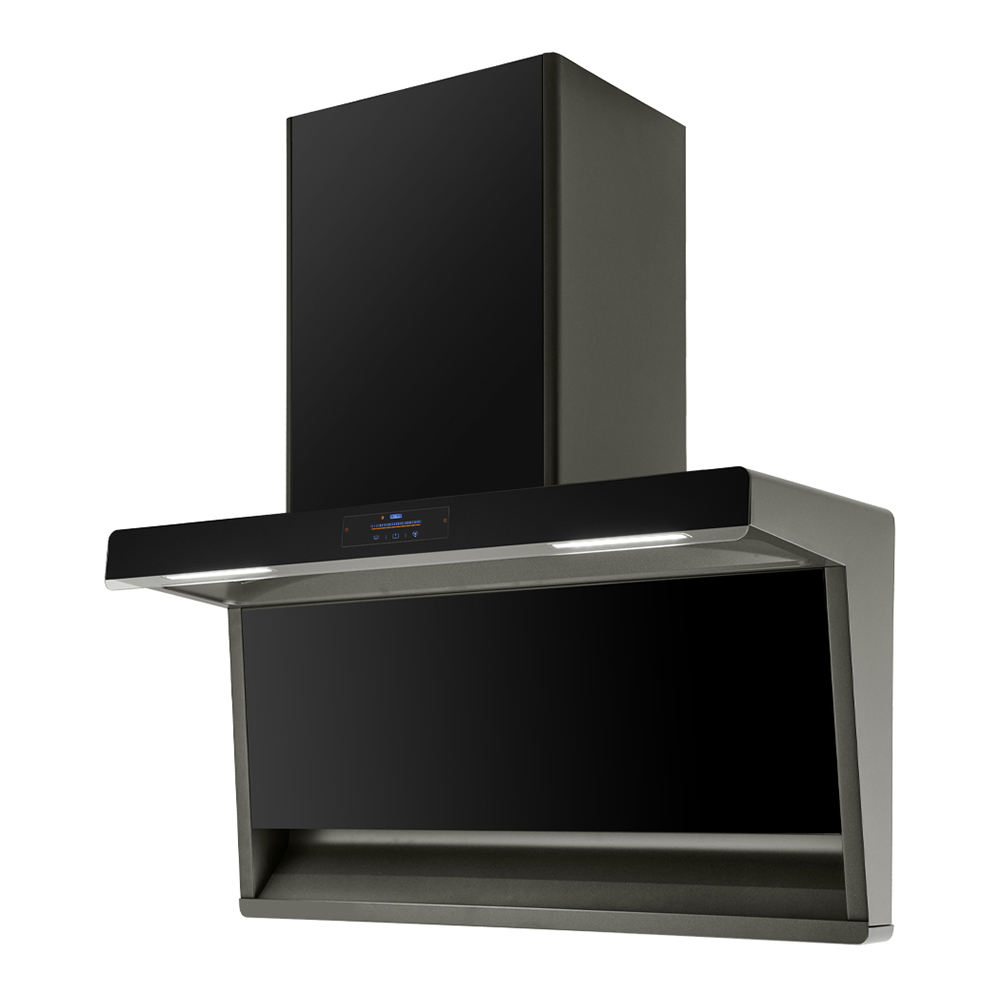
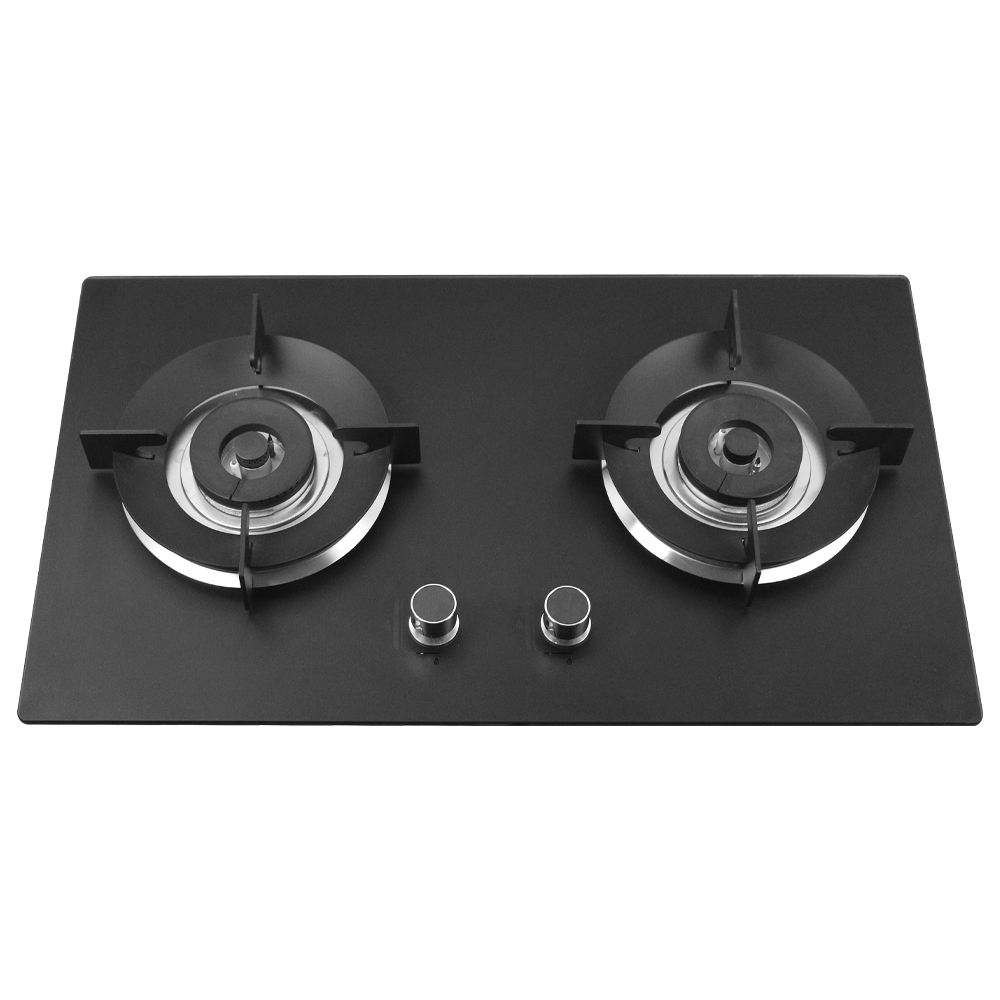
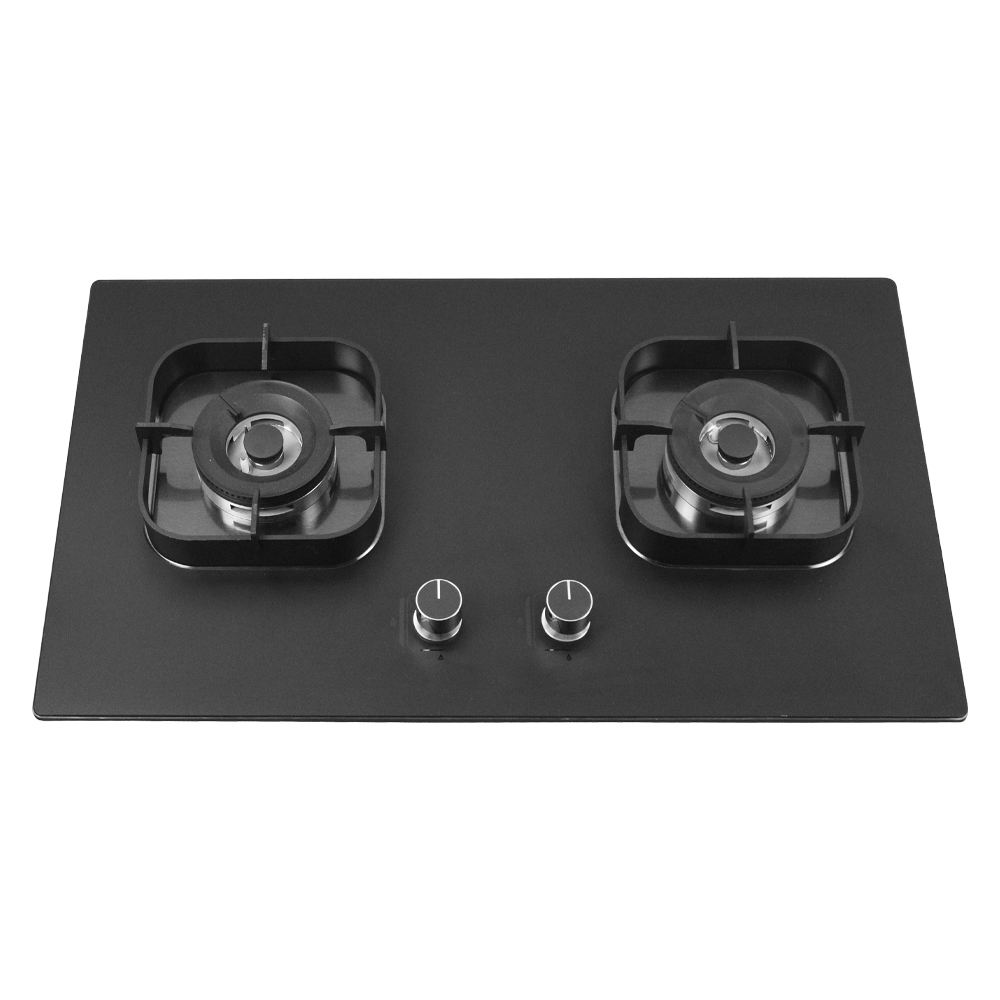
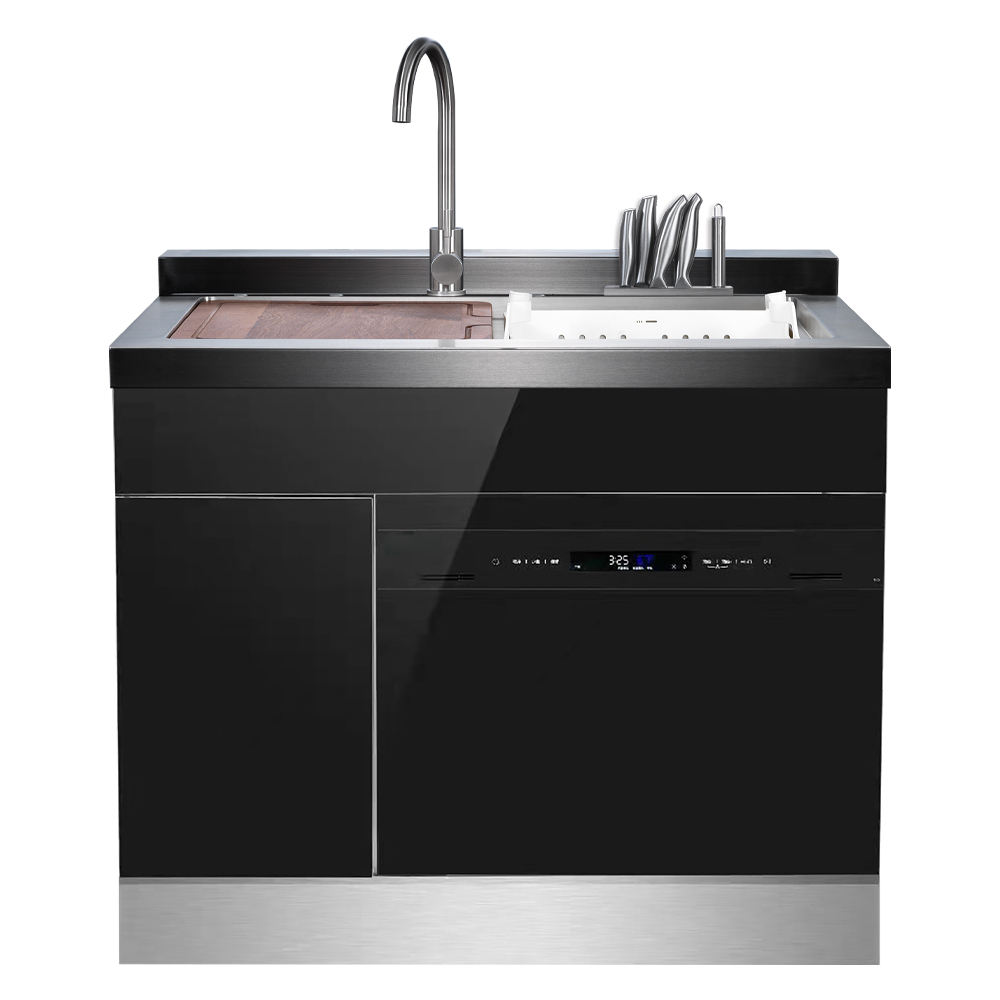
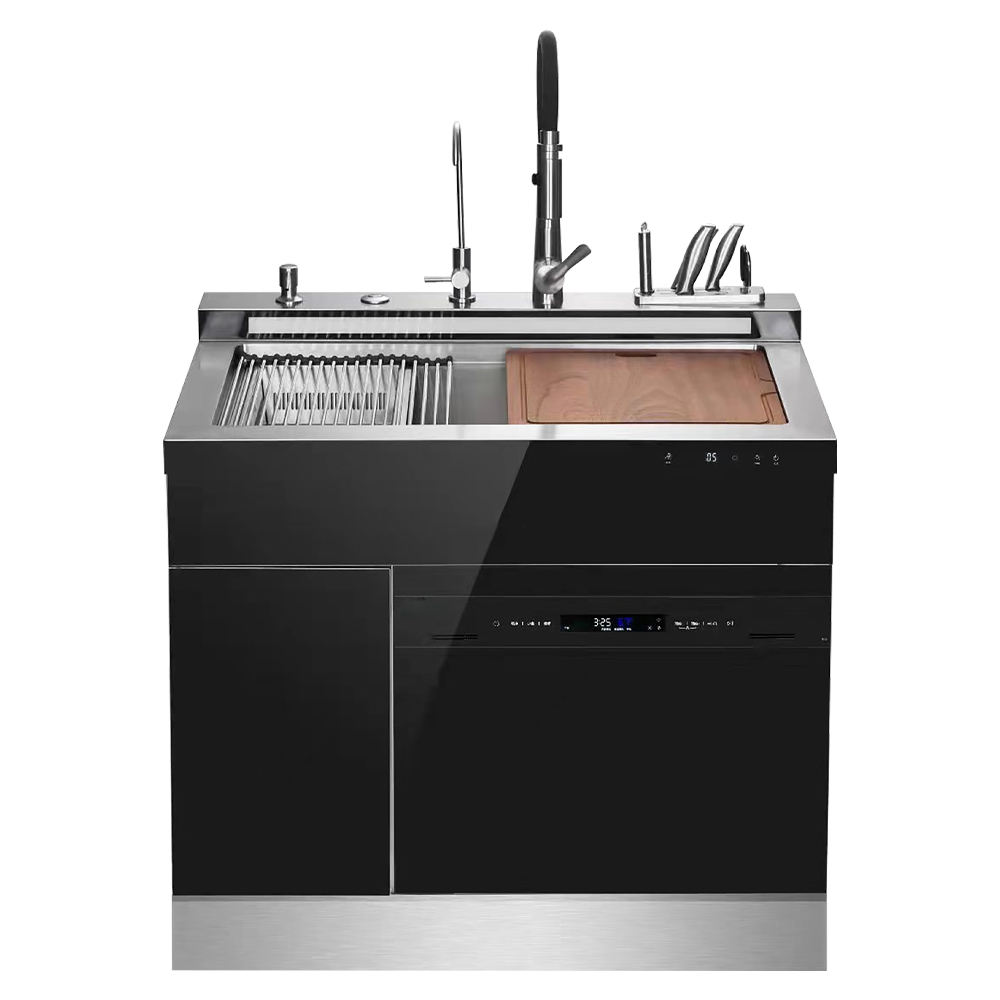
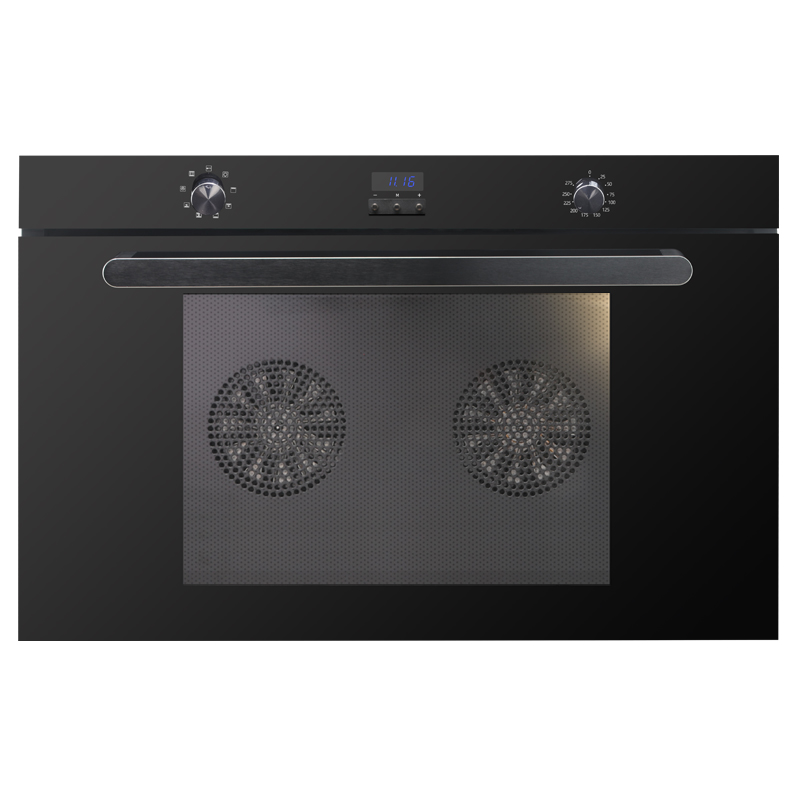
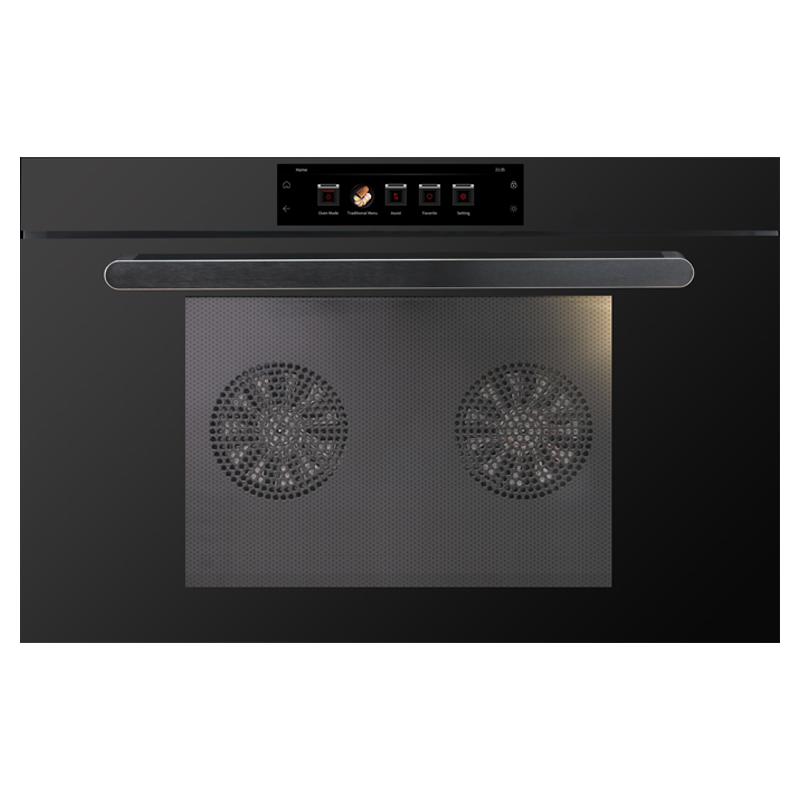
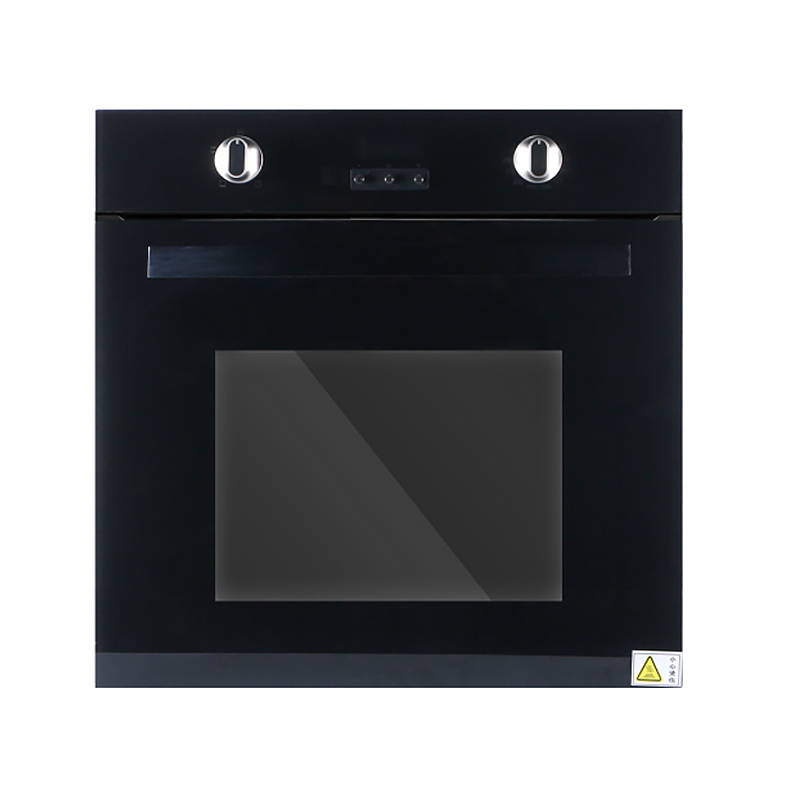
The Household Built-in Electric Digital Baking Oven represents a modern integration of cooking technology into the kitchen space. Unlike freestanding countertop models, this unit is designed to be seamlessly installed into kitchen cabinetry, offering a streamlined and space-efficient solution. Its defining feature is the digital control interface, which replaces traditional analog dials with precise electronic settings. This allows for accurate temperature and timer programming, often contributing to more consistent cooking results. The built-in nature of this appliance not only saves valuable counter space but also facilitates a unified kitchen aesthetic. The Household Built-in Electric Digital Baking Oven typically incorporates advanced heating elements and convection fans to ensure even heat distribution, making it suitable for a wide range of culinary tasks from baking and roasting to broiling and dehydrating.
Product Attraction & Features:
The core attraction of this oven lies in its integration of digital precision with built-in design. It features a digital display panel with touch or button controls, enabling users to set exact temperatures (often in 1-degree increments) and programmable timer functions. Many models include pre-programmed cooking modes for specific foods (e.g., bread, pizza, chicken), which automate temperature and fan settings. A convection system, utilizing a fan to circulate hot air, is commonly integrated to reduce cooking times and improve browning uniformity. Interior lighting and viewing windows allow for monitoring food without heat loss. The cavity is typically constructed from easy-clean materials, and some models offer steam-assist or pyrolytic self-cleaning functions. The design prioritizes seamless front ventilation and a flush installation look.
Primary Characteristics:
-
Installation Type: Designed for built-in installation into standard 60cm kitchen cabinet housings.
-
Control System: Digital electronic control panel with LCD/LED display.
-
Heating Technology: Multi-directional heating elements (top, bottom, rear) combined with a convection fan.
-
Capacity: Offers a range of internal volumes (e.g., 60-70 liters), providing ample space for multiple racks or large dishes.
-
Temperature Range: Broad adjustable range, often from 30°C to 250°C or higher.
-
Safety Features: May include child lock, automatic shut-off, and cooling fan systems for the door and electronics.
-
Connectivity: Some variants feature smart connectivity for control via mobile applications.
Key Uses:
This appliance is engineered for diverse cooking methods within a household kitchen. Its primary uses include:
-
Baking: Cakes, pastries, bread, and cookies.
-
Roasting: Meats, poultry, and vegetables.
-
Grilling/Broiling: Achieving browning and crisping on food surfaces.
-
Reheating & Defrosting: Using low-temperature or specific settings.
-
Dehydrating: Preparing dried fruits, herbs, or jerky at low temperatures over extended periods.
-
Fermenting: Maintaining low, consistent temperatures for dough or yogurt.
Comparison and FAQs
Feature Comparison Table
| Feature | Household Built-in Electric Digital Baking Oven | Typical Basic Built-in Oven |
|---|---|---|
| Control Interface | Digital display with touch/button controls | Mechanical dials and knobs |
| Temperature Setting | Precise digital input (e.g., 1°C increments) | Approximate markings on a dial |
| Cooking Programs | Multiple pre-set automatic programs for various foods | Manual adjustment only |
| Timer | Digital countdown timer with audible end signal | Mechanical spring-driven timer |
| Convection Fan | Standard feature for air circulation | May be absent or an optional feature |
| Cleaning Function | Often includes catalytic lining or pyrolytic self-clean option | Usually manual cleaning only |
| Installation Flexibility | Requires electrical connection and cabinet space | Requires electrical connection and cabinet space |
Frequently Asked Questions (FAQs)
Q1: What are the electrical and cabinet requirements for installing this oven?
A: The oven requires a dedicated power supply connection (standard household voltage, but specific amperage should be verified from the product manual). It is designed to fit into a standard 60cm wide kitchen cabinet cutout. Exact installation dimensions, including required ventilation space, must be checked in the manufacturer's installation guide before purchase.
Q2: How does the convection function work, and when should I use it?
A: The convection function activates a fan at the rear of the oven to circulate hot air. This can lead to faster and more even cooking, making it suitable for roasting meats, baking multiple trays of pastries, or when a crisp exterior is desired. Some recipes may specify convection settings or require temperature adjustments.
Q3: Is the digital control panel difficult to clean?
A: Most digital panels are designed with smooth, sealed surfaces. They can be cleaned with a soft, damp cloth after the oven has cooled. Harsh abrasives or chemical cleaners should be avoided to prevent damage.
Q4: Can I use metal baking trays and pans in this oven?
A: Yes, standard metal bakeware, including aluminum and stainless steel trays, is suitable. It is important to ensure that any cookware used is oven-safe within the oven's maximum temperature range. Avoid placing cookware directly on the oven floor to protect the enamel.
Q5: What is the difference between a pyrolytic self-clean and a catalytic cleaning function?
A: Pyrolytic cleaning involves heating the oven to a very high temperature (around 500°C) to incinerate soil into ash, which can then be wiped away. Catalytic cleaning utilizes special enamel liners with a catalyst that helps break down grease splatters at regular cooking temperatures. Both are designed to reduce manual cleaning effort.


