中文简体
中文简体 Español
 عربى
عربىA steam wall oven works by injecting controlled steam into the cooking cavity, surrounding food with moist heat that cooks at lower effective temperatures and prevents vitamins and minerals from leaching out — resulting in significantly better nutrient retention compared to dry-heat conventional ovens.
As home cooks become increasingly health-conscious, the question of how cooking methods affect the nutritional value of food has never been more relevant. The steam wall oven has emerged as one of the most effective kitchen appliances for preserving the natural goodness of ingredients. But how exactly does steam cooking protect nutrients — and is a steam wall oven worth the investment for your kitchen?
This guide explains the science of steam cooking, explores the specific mechanisms through which a steam wall oven retains nutrients, compares it against other cooking methods, and answers the most common questions buyers and home chefs ask.
Content
- What Is a Steam Wall Oven?
- The Science Behind Steam Cooking and Nutrient Retention
- Step-by-Step: How a Steam Wall Oven Works
- Nutrient Retention Comparison: Steam Wall Oven vs. Other Cooking Methods
- Best Foods to Cook in a Steam Wall Oven for Maximum Nutrient Retention
- Key Features to Look for in a Steam Wall Oven
- Steam Wall Oven vs. Conventional Wall Oven: A Detailed Comparison
- Practical Tips for Maximizing Nutrient Retention in a Steam Wall Oven
- Frequently Asked Questions About Steam Wall Ovens
- Does a steam wall oven completely eliminate nutrient loss?
- Can a steam wall oven also bake bread and pastries?
- Is a steam wall oven hard to maintain and clean?
- Do I need a plumbed water connection for a steam wall oven?
- Is a steam wall oven worth the higher price compared to a standard wall oven?
- Can a steam wall oven reheat food better than a microwave?
- Conclusion
What Is a Steam Wall Oven?
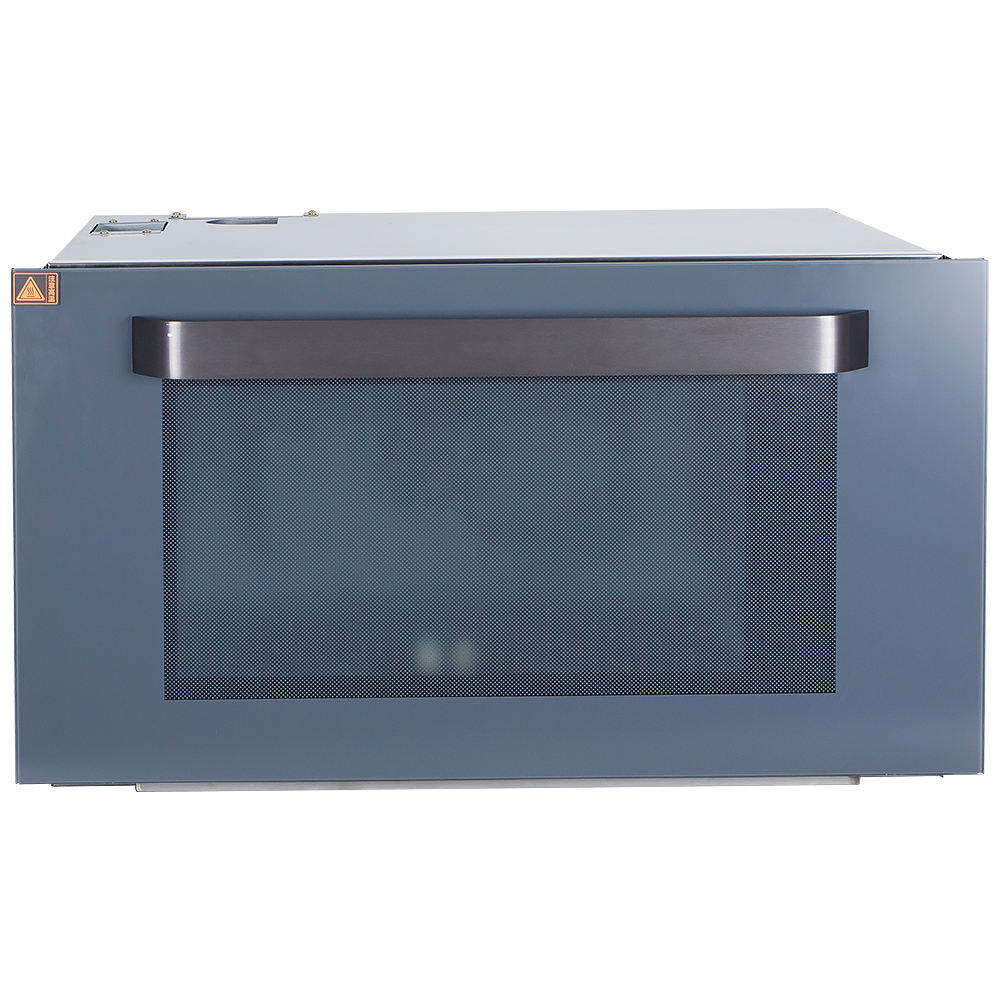
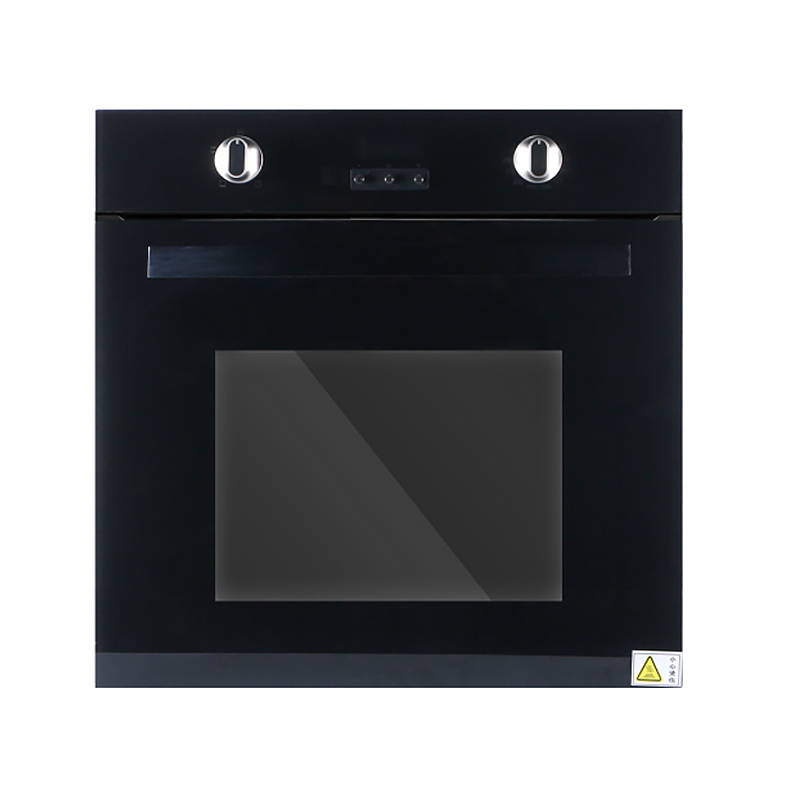
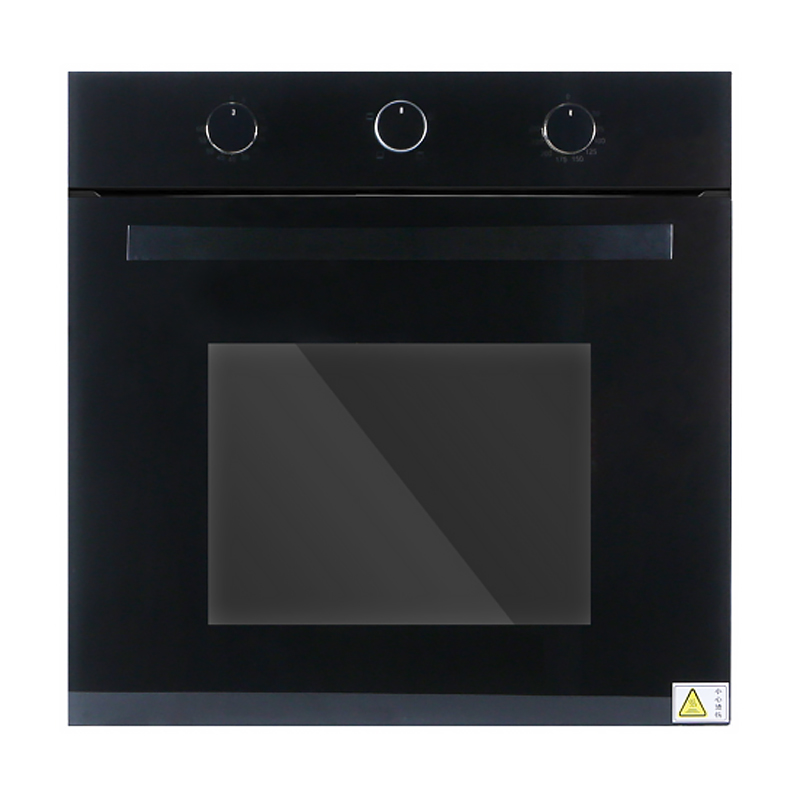
A steam wall oven is a built-in kitchen appliance that combines traditional oven heating elements with an integrated steam generation system. Unlike a countertop food steamer, a steam wall oven is installed flush into a kitchen wall cabinet, offering the size and capacity of a full oven while harnessing the nutritional advantages of steam cooking.
Most steam wall ovens can operate in three distinct modes:
- Pure steam mode — delivers 100% steam for gentle, nutrient-preserving cooking of vegetables, fish, and grains.
- Convection mode — functions as a standard oven with circulating hot air for roasting and baking.
- Combination (steam + convection) mode — merges both methods, providing moist interior cooking with a browned, crispy exterior.
The Science Behind Steam Cooking and Nutrient Retention
Understanding why a steam wall oven preserves nutrients better requires a look at how nutrients are lost during cooking in the first place.
How Nutrients Are Lost During Cooking
Nutrient loss occurs through three primary pathways:
- Leaching — Water-soluble vitamins (B vitamins, Vitamin C) dissolve into cooking water and are discarded.
- Heat degradation — Prolonged exposure to high temperatures breaks down heat-sensitive nutrients.
- Oxidation — Exposure to air at high heat destroys antioxidants and certain vitamins.
How a Steam Wall Oven Addresses Each Loss Pathway
| Loss Pathway | How Steam Wall Oven Helps | Result |
| Leaching | Food is never submerged in water; steam surrounds the food | Water-soluble vitamins stay in the food |
| Heat Degradation | Steam cooks at 100°C (212°F) or lower; shorter cook times needed | Less total heat exposure for nutrients |
| Oxidation | Steam-saturated environment reduces oxygen contact with food surface | Antioxidants and Vitamin C better preserved |
Step-by-Step: How a Steam Wall Oven Works
1. Water Reservoir and Steam Generation
The process begins with a built-in water reservoir or a direct plumbed water connection. When the steam wall oven is activated in steam mode, a heating element rapidly boils the water, converting it into steam. This steam is then pumped through jets into the sealed cooking cavity.
2. Controlled Temperature and Humidity
Advanced steam wall ovens feature precise humidity and temperature controls. You can set specific steam temperatures ranging from as low as 40°C (104°F) for delicate proofing tasks up to 130°C (266°F) in pressurized combi modes. This precise control means food is never over-exposed to heat.
3. Even, Enveloping Heat Distribution
Steam distributes heat far more evenly than dry convection air. Because steam condenses on the food surface, it transfers its latent heat directly and uniformly, eliminating hot spots that can locally overcook — and over-degrade — nutrients in certain areas of food.
4. Faster Cooking, Less Total Nutrient Loss
Because steam conducts heat so efficiently, cooking times in a steam wall oven are typically shorter than in dry-heat ovens. Shorter cooking time means the total period during which nutrients are exposed to heat is reduced — a critical factor in preserving heat-sensitive vitamins such as Vitamin C and folate.
Nutrient Retention Comparison: Steam Wall Oven vs. Other Cooking Methods
To put the benefits of a steam wall oven in context, here is how steam cooking compares with common alternative methods across key nutritional indicators:
| Cooking Method | Vitamin C Retention | B Vitamins Retention | Minerals Retention |
| Steam Wall Oven | Very High (80–90%) | High (75–85%) | Very High (85–95%) |
| Boiling | Low (30–50%) | Low (40–60%) | Moderate (50–70%) |
| Conventional Dry Oven | Moderate (50–65%) | Moderate (55–70%) | High (70–85%) |
| Microwave | Moderate–High (60–75%) | Moderate (60–70%) | High (75–90%) |
| Sautéing / Frying | Low–Moderate (40–60%) | Moderate (50–65%) | Moderate (55–70%) |
Note: Retention percentages are approximate ranges based on published nutritional cooking research and vary by food type, cut size, and cooking duration.
Best Foods to Cook in a Steam Wall Oven for Maximum Nutrient Retention
Vegetables
Leafy greens, broccoli, carrots, and asparagus are among the biggest beneficiaries of steam wall oven cooking. These vegetables are rich in water-soluble vitamins that would otherwise dissolve away in boiling water. Steaming preserves their color, texture, and nutritional profile simultaneously.
Fish and Seafood
Fish cooked in a steam wall oven retains its natural omega-3 fatty acids, which can be degraded by high frying temperatures. The gentle moist heat also preserves delicate proteins, resulting in a flaky, tender texture.
Grains and Legumes
Rice, quinoa, and lentils cooked using steam retain more B vitamins than those boiled in excess water and drained. The steam wall oven absorbs just the right amount of moisture without diluting nutritional content.
Poultry and Lean Meats
Chicken breast and turkey retain more moisture and natural juices when cooked in a steam wall oven, which also means lower fat content compared to frying. The steam prevents surface drying, reducing the formation of potentially harmful compounds that can appear on overcooked, charred meat surfaces.
Key Features to Look for in a Steam Wall Oven
When choosing a steam wall oven, prioritize these features for the best nutritional and culinary results:
- Precise temperature control — Look for models offering temperature settings in 5°C or finer increments, especially in the low-steam range (40–100°C).
- Humidity control — The ability to set humidity levels (e.g., 30%, 60%, 100%) allows you to optimize the cooking environment for different food types.
- Combination cooking modes — A true combi mode unlocks the best of both worlds: nutrient-preserving steam plus browned, textured results.
- Large cavity capacity — A spacious interior allows even cooking of large cuts or multiple trays simultaneously.
- Plumbed connection option — Direct water connection means continuous steam without manually refilling a reservoir mid-cook.
- Easy-clean interior — Steam environments can encourage mineral deposits; self-cleaning steam descale cycles make maintenance simpler.
Steam Wall Oven vs. Conventional Wall Oven: A Detailed Comparison
| Feature | Steam Wall Oven | Conventional Wall Oven |
| Nutrient Retention | Excellent — minimizes leaching and heat degradation | Moderate — dry heat can degrade vitamins over time |
| Moisture in Food | High — food stays naturally juicy | Lower — foods can dry out |
| Cooking Speed | Faster (steam transfers heat efficiently) | Slower (dry air is a poor heat conductor) |
| Browning / Crust | Possible in combi mode; limited in pure steam | Excellent — ideal for roasts and baked goods |
| Energy Usage | Moderate — shorter cook times offset steam generation energy | Moderate — longer cook times may use more total energy |
| Versatility | Very High — steam, convection, combi, low-temp options | High — bake, roast, broil |
| Price Range | Higher upfront investment | Generally lower cost |
| Ideal For | Health-focused cooking, vegetables, fish, grains | Traditional baking, roasting, everyday cooking |
Practical Tips for Maximizing Nutrient Retention in a Steam Wall Oven
- Cut food into uniform pieces — Even sizing ensures all pieces finish at the same time, preventing some portions from being overcooked while others are underdone.
- Use perforated steam trays — These allow steam to circulate fully around food rather than pooling beneath it.
- Avoid unnecessary pre-soaking — Some water-soluble vitamins can begin leaching even before cooking if food sits in water.
- Set the lowest effective temperature — Use the precise temperature controls of your steam wall oven to cook at the minimum temperature required, especially for delicate produce.
- Serve immediately after steaming — Nutrient loss continues after cooking if food sits exposed to air or stays warm for too long.
- Keep skins on where possible — The skin of vegetables and fruits acts as a natural nutrient barrier during steaming.
Frequently Asked Questions About Steam Wall Ovens
Does a steam wall oven completely eliminate nutrient loss?
No cooking method eliminates all nutrient loss, but a steam wall oven minimizes it more effectively than most alternatives. Heat-sensitive vitamins like Vitamin C will still experience some degradation, but the reduction in leaching and oxidation means overall retention is significantly higher than boiling or conventional dry roasting.
Can a steam wall oven also bake bread and pastries?
Yes. In combination mode, a steam wall oven can produce excellent bread with a crispy crust and moist crumb — a result that is actually difficult to achieve in a standard dry oven. Professional bakers have used steam injection in commercial ovens for this purpose for decades.
Is a steam wall oven hard to maintain and clean?
Steam environments can cause mineral deposits (limescale) to build up over time, especially in hard-water areas. Most modern steam wall ovens feature an automatic descaling program. The cavity itself is easier to clean than a conventional oven because steam cooking produces less splatter and no baked-on grease.
Do I need a plumbed water connection for a steam wall oven?
Not necessarily. Many steam wall ovens include a removable water reservoir that you fill manually before cooking. Plumbed models are more convenient for frequent use, but reservoir models are suitable for most households and offer more flexibility in placement.
Is a steam wall oven worth the higher price compared to a standard wall oven?
For households focused on healthy eating, meal variety, and premium cooking results, a steam wall oven delivers tangible benefits in nutrition, flavor, and versatility that justify the higher upfront cost. For households primarily interested in baking and traditional roasting, a high-quality standard wall oven may be more cost-effective.
Can a steam wall oven reheat food better than a microwave?
Yes, in many respects. Reheating food in a steam wall oven restores moisture rather than drying it out as microwaves sometimes can. Leftovers reheated with steam emerge with better texture and flavor, and the gentle heat means nutrients in reheated food are better preserved compared to high-power microwave reheating.
Conclusion
A steam wall oven is one of the most effective tools available to the health-conscious home cook. By surrounding food with controlled moist heat rather than dry air or boiling water, it fundamentally addresses the three main pathways of nutrient loss: leaching, heat degradation, and oxidation. The result is food that is not only richer in vitamins and minerals, but also more flavorful, juicier, and more texturally appealing.
Whether you are steaming broccoli to preserve its Vitamin C content, cooking salmon to retain omega-3 fatty acids, or baking bread with a professional-quality crust using combination mode, the steam wall oven offers versatility and nutritional performance that conventional appliances cannot match.
For any household where nutrition, culinary quality, and kitchen efficiency are priorities, investing in a steam wall oven represents a meaningful upgrade to both the cooking experience and the health value of every meal prepared within it.