中文简体
中文简体 Español
 عربى
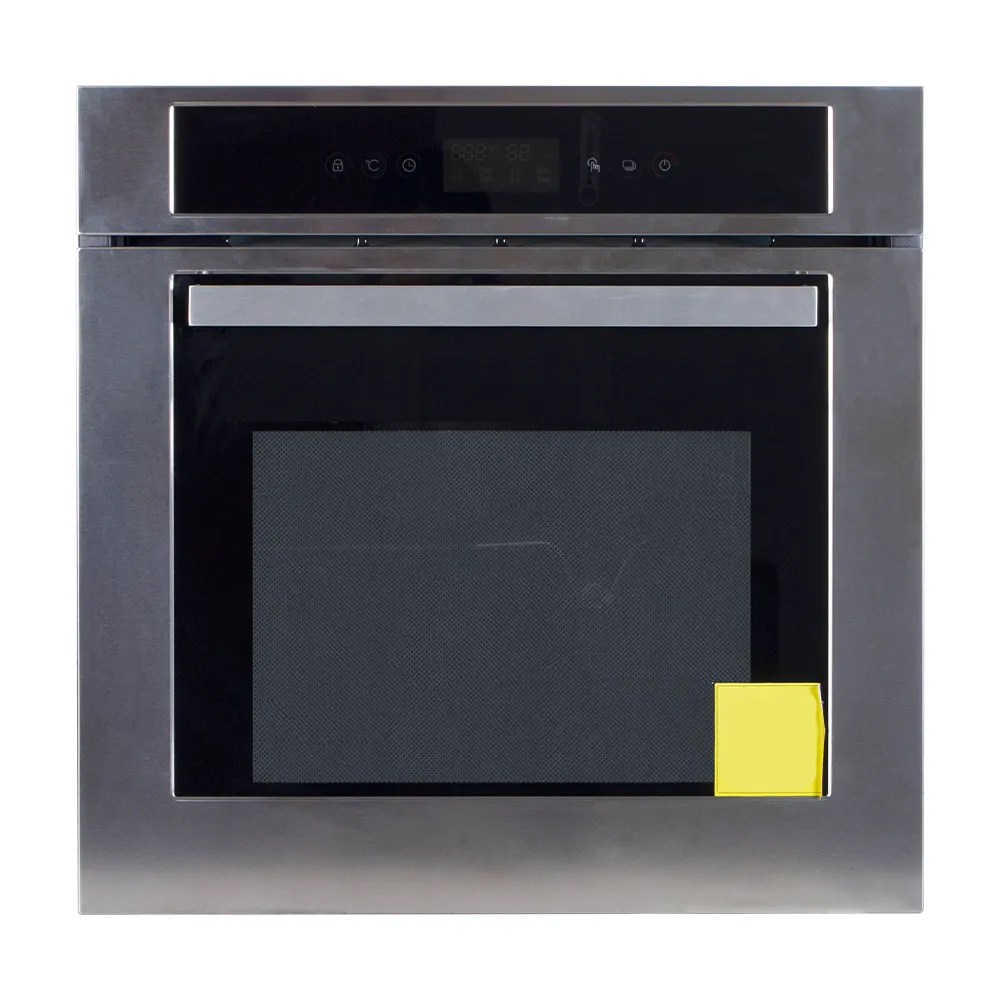
عربىA Steam Wall Oven is an advanced kitchen appliance designed to deliver precise moisture control, healthier cooking results, and superior texture retention. Unlike conventional ovens that rely solely on dry heat, a Steam Wall Oven integrates steam injection or full steam cooking technology, helping preserve nutrients and enhance flavor.
However, the performance and lifespan of a Steam Wall Oven depend heavily on proper maintenance. Regular care prevents mineral buildup, ensures accurate steam generation, improves energy efficiency, and protects internal components. Below is a comprehensive, structured maintenance guide designed to enhance long-term reliability and cooking consistency.
Content
- Why Proper Maintenance of a Steam Wall Oven Matters
- Daily Maintenance Tips
- Weekly Cleaning Checklist
- Descaling Your Steam Wall Oven
- Comparison: Steam Wall Oven vs Conventional Oven Maintenance
- Preventive Maintenance Tips
- Common Problems and Solutions
- Extending the Lifespan of Your Steam Wall Oven
- Frequently Asked Questions (FAQ)
- Conclusion
Why Proper Maintenance of a Steam Wall Oven Matters
Steam cooking introduces moisture into a heated cavity. While this offers numerous culinary advantages, it also increases exposure to condensation, mineral deposits, and internal humidity. Without maintenance, these factors may lead to:
- Reduced steam output efficiency
- Mineral scale buildup in the steam generator
- Unpleasant odors caused by food residue
- Corrosion of internal metal components
- Inaccurate temperature or humidity readings
- Shortened appliance lifespan
A consistent maintenance routine ensures your Steam Wall Oven continues delivering precise cooking performance while maintaining hygiene and energy efficiency.
Daily Maintenance Tips
1. Wipe the Interior After Each Use
After cooking, allow the oven to cool slightly. Use a soft microfiber cloth to wipe interior surfaces, removing condensation and food splatter. This prevents long-term moisture retention and bacterial growth.
- Use warm water with mild detergent
- Avoid abrasive pads or steel wool
- Dry thoroughly after cleaning
2. Empty and Clean the Water Tank
If your Steam Wall Oven uses a refillable water reservoir, empty it after each cooking cycle. Stagnant water promotes mineral accumulation and microbial growth.
- Rinse with clean water
- Dry before reinserting
- Use filtered or distilled water when possible
Weekly Cleaning Checklist
| Component | Maintenance Action | Recommended Method | Purpose |
|---|---|---|---|
| Oven Cavity | Deep Clean | Mild detergent + soft cloth | Remove grease and residue |
| Door Glass | Clean Interior & Exterior | Non-abrasive glass cleaner | Maintain visibility |
| Racks & Trays | Wash Separately | Warm water soak | Prevent grease buildup |
| Drain System | Check for blockage | Rinse with clean water | Ensure proper condensation drainage |
Descaling Your Steam Wall Oven
Why Descaling Is Essential
Hard water contains minerals such as calcium and magnesium. Over time, these minerals accumulate in the steam generator and pipes, reducing efficiency and potentially damaging internal heating elements.
How Often Should You Descale?
- Every 1–3 months (depending on water hardness)
- When the appliance displays a descaling alert
- If steam output decreases noticeably
Descaling Process
- Use manufacturer-approved descaling solution
- Fill water tank with diluted solution
- Run descaling program
- Rinse system thoroughly with clean water
- Wipe interior dry
Avoid vinegar unless explicitly approved, as it may damage internal seals.
Comparison: Steam Wall Oven vs Conventional Oven Maintenance
| Aspect | Steam Wall Oven | Conventional Oven |
|---|---|---|
| Moisture Management | Requires drying after use | Low moisture concern |
| Descaling | Necessary periodically | Not required |
| Cleaning Frequency | More frequent due to steam residue | Moderate |
| Energy Efficiency | Higher when properly maintained | Stable |
| Component Sensitivity | Steam generator sensitive to buildup | Primarily heating elements |
Preventive Maintenance Tips
- Use filtered or distilled water
- Run automatic drying cycle after cooking
- Leave door slightly open to ventilate
- Avoid overfilling water tank
- Check door gasket regularly
- Inspect control panel for moisture
Common Problems and Solutions
| Problem | Possible Cause | Solution |
|---|---|---|
| Low Steam Output | Scale buildup | Run descaling cycle |
| Water Leakage | Blocked drain | Clean drain system |
| Unpleasant Odor | Food residue | Deep clean interior |
| Error Code | Sensor moisture | Dry oven and restart |
Extending the Lifespan of Your Steam Wall Oven
A well-maintained Steam Wall Oven can last 10–15 years or more. Longevity depends on usage frequency, water quality, and adherence to maintenance routines.
- Schedule annual professional inspection
- Replace worn gaskets promptly
- Avoid harsh chemical cleaners
- Follow manufacturer guidelines strictly
Frequently Asked Questions (FAQ)
Q1: Can I use tap water in my Steam Wall Oven?
Yes, but filtered or distilled water reduces scaling and extends internal component life.
Q2: How do I know when to descale?
Many modern models display alerts. Reduced steam output is another clear indicator.
Q3: Is a self-cleaning function enough?
Self-cleaning helps remove grease but does not replace descaling maintenance.
Q4: Can improper maintenance affect cooking quality?
Yes. Mineral buildup reduces steam accuracy, impacting texture and cooking consistency.
Q5: Does regular maintenance improve energy efficiency?
Absolutely. Clean components heat faster and require less energy.
Conclusion
Maintaining a Steam Wall Oven is not complex but requires consistency. Daily wiping, routine cleaning, periodic descaling, and preventive inspections ensure long-term reliability and optimal cooking performance. Compared with conventional ovens, a Steam Wall Oven demands slightly more attention due to its moisture-based technology, yet the culinary benefits far outweigh the maintenance effort.
With structured care and informed usage, your Steam Wall Oven will continue delivering professional-level cooking results while maintaining safety, efficiency, and durability for years to come.