中文简体
中文简体 Español
 عربى
عربىThe steam wall oven has moved from professional kitchens into modern homes — and for good reason. Combining the precise heat of a conventional oven with the moisture-retention power of steam, these appliances promise healthier meals, better textures, and bakery-quality results at home. But with price tags ranging from $1,500 to over $8,000, the big question remains: is a steam wall oven truly worth it?
Whether you're renovating a kitchen, upgrading appliances, or simply curious about what steam cooking can do, this guide covers everything — from how they work and what they cost, to which models lead the market and who actually benefits most.
Content
- What Is a Steam Wall Oven?
- How Does a Steam Wall Oven Work?
- Key Benefits of a Steam Wall Oven for Home Cooks
- Drawbacks to Consider Before Buying
- Steam Wall Oven vs. Conventional Wall Oven: Side-by-Side Comparison
- Who Benefits Most from a Steam Wall Oven?
- Installation and Maintenance: What to Expect
- Total Cost of Ownership: Is the Price Justified?
- Frequently Asked Questions
- The Verdict: Is a Steam Wall Oven Worth It?
What Is a Steam Wall Oven?
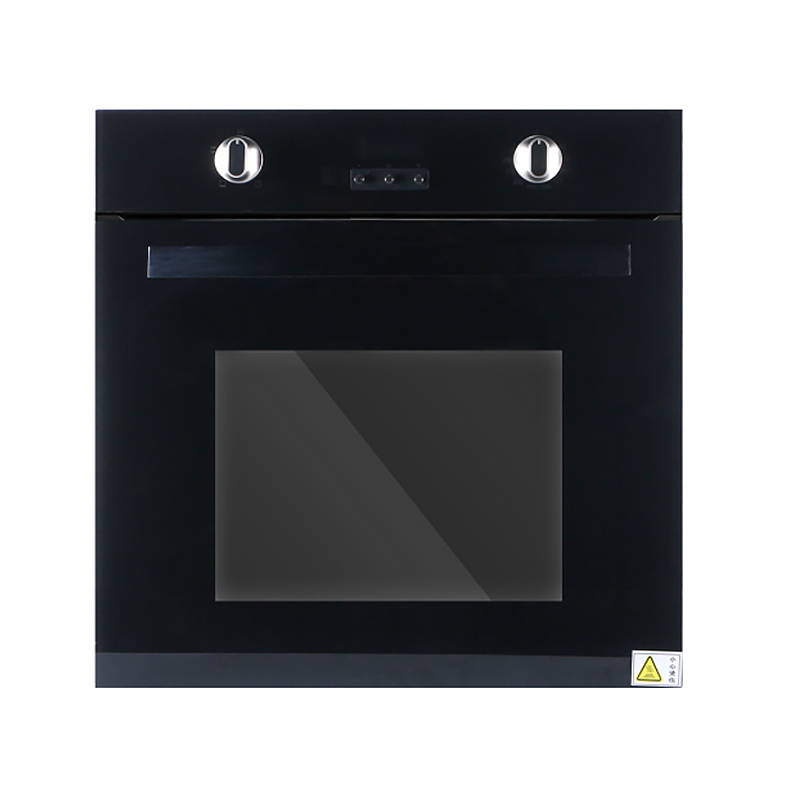
A steam wall oven is a built-in kitchen appliance that uses water vapor — either alone or in combination with conventional heat — to cook food. Unlike a traditional wall oven that relies solely on dry, radiant heat, a steam oven injects moisture into the cooking chamber, which fundamentally changes how food cooks, looks, and tastes.
Most models fall into two categories:
- Dedicated steam ovens — cook exclusively with steam, ideal for vegetables, fish, and grains.
- Combi steam wall ovens — combine steam with convection or radiant heat, offering maximum versatility for roasting, baking, and steaming.
For most home cooks, the combi steam wall oven is the more practical choice, as it replaces the conventional oven entirely while adding steam functionality.
How Does a Steam Wall Oven Work?
Steam Generation Methods
Steam ovens generate vapor through one of three methods, each with different implications for performance and installation:
| Method | How It Works | Best For |
| Reservoir-based | Built-in water tank filled manually | Renters, flexible installs |
| Plumbed-in | Direct water line connection | High-volume cooking, convenience |
| Injection steam | Water injected directly onto heating element | Burst-steam baking (bread crusts) |
Temperature & Humidity Control
Premium steam wall ovens allow precise control over both temperature (typically 86°F–500°F / 30°C–260°C) and humidity levels (0–100%). This dual control unlocks techniques like sous-vide style low-temperature cooking, gentle proofing of bread doughs, and crispy-yet-moist roasting — all in a single appliance.
Key Benefits of a Steam Wall Oven for Home Cooks
1. Healthier Cooking with Less Fat
Steam cooking preserves water-soluble vitamins (B and C) better than boiling or high-heat roasting. Because moisture surrounds the food, there's little need for added oils or butter. Research published in food science literature consistently shows that steam-cooked vegetables retain up to 50% more nutrients compared to boiling.
2. Superior Moisture Retention in Proteins
Chicken breasts, fish fillets, and pork tenderloin notoriously dry out in conventional ovens. A steam wall oven dramatically reduces moisture loss — home cooks regularly report juicier results without the guesswork of brining or basting.
3. Professional Baking Results
Steam is essential to artisan bread. Professional bakers have used deck ovens with steam injection for decades to achieve the signature crackling crust and open crumb structure of sourdough and baguettes. A combi steam wall oven brings this capability home, along with consistent proofing and even rise.
4. Reheating Without Drying Out
One of the most underrated benefits: steam reheating. Leftover rice, pasta, pizza, or roasted meats come back to near-original quality — moist, evenly heated, and never rubbery. This alone changes daily kitchen habits for many users.
5. Multi-Functional Cooking Modes
Top-tier steam wall ovens offer modes including convection bake, broil, steam-only, combi-steam, proofing, dehydrate, and even sous vide. Many models also include guided cooking programs and built-in recipe libraries.
Drawbacks to Consider Before Buying
- High upfront cost — Quality models start at $1,500 and premium brands exceed $6,000–$8,000.
- Maintenance requirements — Regular descaling is essential, especially in hard-water areas. Neglect leads to mineral buildup that harms performance.
- Learning curve — Steam cooking requires adjusting cooking times and techniques. Traditional recipes don't always translate directly.
- Cavity condensation — The interior accumulates moisture and must be dried and wiped down after each use to prevent mold or residue.
- Limited cavity size — Many steam wall ovens are smaller than standard wall ovens, which can be limiting for large roasts or multiple trays.
Steam Wall Oven vs. Conventional Wall Oven: Side-by-Side Comparison
| Feature | Steam Wall Oven | Conventional Wall Oven |
| Average Price | $1,500 – $8,000+ | $700 – $3,500 |
| Cooking Modes | Steam, Combi, Convection, Broil, Proof | Bake, Broil, Convection |
| Nutrient Retention | Excellent | Moderate |
| Bread Baking | Professional-quality crust | Good, but requires workarounds |
| Reheating Quality | Excellent — restores moisture | Fair — can dry out food |
| Maintenance | Higher — descaling required | Standard cleaning only |
| Installation | May need water line (plumbed models) | Electric connection only |
| Cavity Size | Typically smaller (1.2–1.8 cu ft) | Larger (3.0–5.0 cu ft) |
Who Benefits Most from a Steam Wall Oven?
A steam wall oven delivers exceptional ROI for:
- Bread and pastry enthusiasts who want professional crust development at home.
- Health-conscious families who cook vegetables, fish, and grains frequently.
- Meal preppers who reheat multiple dishes throughout the week without quality loss.
- Kitchen renovation projects where a premium, multi-functional appliance justifies the space and budget.
- Cooks with dietary restrictions who need oil-free or low-fat cooking methods.
Conversely, if you primarily roast large meats, use your oven only occasionally, or are working within a tight budget, a conventional wall oven with a quality convection feature may serve you just as well at a fraction of the cost.
Installation and Maintenance: What to Expect
Installation Considerations
- Standard 24-inch or 30-inch cutouts fit most models, but always verify cavity dimensions before ordering.
- Plumbed models require a nearby water supply and drain line — factor in professional plumbing costs ($200–$600).
- Electrical requirements are typically 240V, 15–20 amp — the same as most wall ovens.
Ongoing Maintenance
- Descale every 1–3 months depending on water hardness and frequency of use.
- Wipe the interior dry after each steam cooking session to prevent mold or mineral deposits.
- Replace the oven seal every few years, as steam environments accelerate wear compared to dry ovens.
- Use filtered or distilled water in reservoir models to extend the intervals between descaling.
Total Cost of Ownership: Is the Price Justified?
| Cost Category | Steam Wall Oven | Conventional Wall Oven |
| Purchase price | $1,500 – $8,000+ | $700 – $3,500 |
| Installation | $300 – $900 (plumbing + electric) | $150 – $400 (electric only) |
| Annual maintenance | $50 – $150 (descaler, seal checks) | Minimal |
| Expected lifespan | 15–20 years (premium brands) | 12–18 years |
When spread over 15+ years of daily use, the additional cost of a quality steam wall oven amounts to roughly $0.50–$2 per day — a defensible investment for households that cook seriously and frequently.
Frequently Asked Questions
Can a steam wall oven fully replace a conventional oven?
Yes — most combi steam wall ovens include all standard baking and roasting modes. They can do everything a conventional oven can, plus steam. The only limitation is typically a smaller interior cavity in some models.
Do steam wall ovens use a lot of water?
No. A typical steam cooking session uses less than 1–2 cups of water. For reservoir-based models, you'll refill the tank every few uses depending on your cooking frequency.
Is a steam wall oven good for baking cakes?
Yes, with caveats. Low steam levels help keep cakes moist and prevent over-browning. However, steam-only mode is not suitable for cakes — the convection or combi mode (low humidity + heat) is recommended for most baked goods.
How often do I need to descale a steam wall oven?
Most manufacturers recommend descaling every 4–12 weeks, depending on use frequency and local water hardness. The oven will typically alert you when descaling is needed. Using filtered water significantly reduces how often this is required.
Can I use any cookware in a steam wall oven?
Most ovenproof cookware works fine. For steam-only cooking, perforated trays are ideal to allow vapor circulation. Avoid cast iron if your oven uses steam, as moisture can cause rust. Stainless steel, ceramic, and silicone are all excellent choices.
The Verdict: Is a Steam Wall Oven Worth It?
For the right home cook, a steam wall oven is one of the highest-value upgrades you can make to a kitchen. It improves virtually every cooking outcome — from daily vegetable steaming to weekend bread baking — while replacing the need for multiple appliances like steamers, proofing boxes, and dedicated convection ovens.
The investment is steep, and the maintenance commitment is real. But for households that cook four or more times per week and value both quality and health-conscious results, the long-term payoff is clear.