中文简体
中文简体 Español
 عربى
عربىShort answer: A steam wall oven uses moist heat to cook food at lower temperatures, preserving vitamins, minerals, and natural moisture — making it one of the most effective kitchen appliances for genuinely healthy, flavorful meals.
Content
- What Is a Steam Wall Oven?
- Top Health Benefits of a Steam Wall Oven
- Steam Wall Oven vs. Other Cooking Methods: A Side-by-Side Comparison
- What Foods Cook Best in a Steam Wall Oven?
- Key Features to Look for in a Steam Wall Oven
- Is a Steam Wall Oven Worth the Investment?
- Steam Wall Oven Installation: What You Need to Know
- Frequently Asked Questions About Steam Wall Ovens
- Final Thoughts: Is a Steam Wall Oven Right for You?
What Is a Steam Wall Oven?
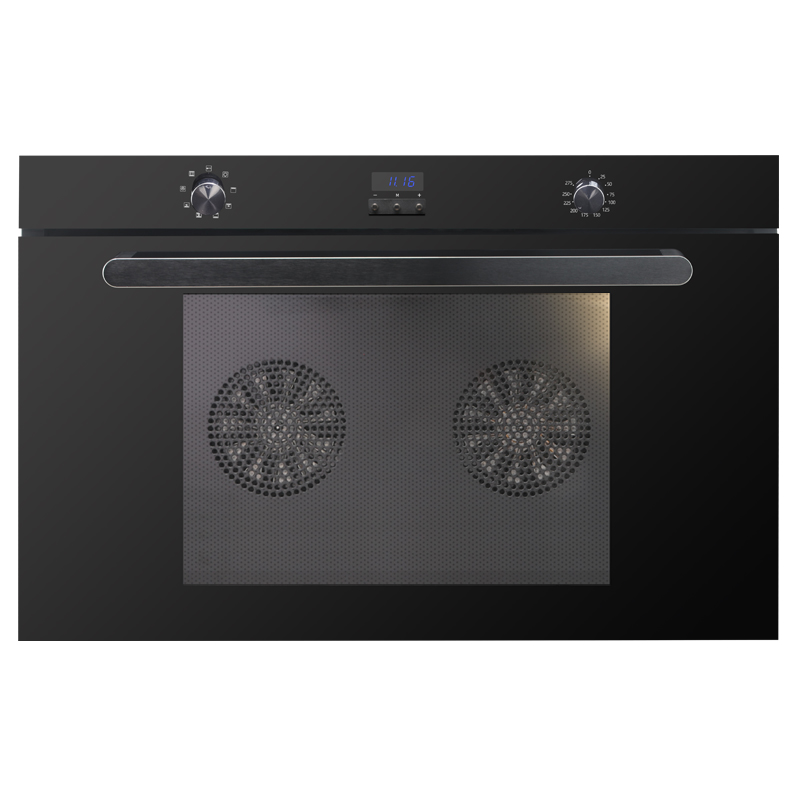
A steam wall oven is a built-in cooking appliance that introduces steam — either as the sole heat source or in combination with conventional convection heat — into a sealed cooking cavity. Unlike traditional ovens that rely entirely on dry radiant heat, a steam wall oven injects moisture during the cooking process, creating an environment that benefits both nutrition and flavor.
Most modern steam wall ovens come in three configurations:
- Pure steam mode — cooks entirely with steam, ideal for vegetables, fish, and reheating.
- Combi-steam mode — combines steam with convection heat for roasting and baking.
- Convection-only mode — operates as a standard wall oven when steam is not needed.
Top Health Benefits of a Steam Wall Oven
1. Superior Nutrient Retention
High dry heat degrades water-soluble vitamins such as Vitamin C and B-complex vitamins. Steam cooking keeps temperatures at or below 212°F (100°C), dramatically reducing vitamin loss. Studies consistently show steamed vegetables retain up to 50% more nutrients compared to boiling or roasting at high temperatures.
2. No Need for Added Fats or Oils
Because the moist environment of a steam wall oven prevents food from drying out, you rarely need to add oil or butter to keep food moist. This makes it an excellent tool for low-calorie, heart-healthy meal preparation.
3. Better Texture and Natural Flavors
Steam preserves the cellular structure of food, keeping vegetables crisp, fish tender, and grains fluffy. The result is food that tastes fresher and more vibrant — without relying on added salt or seasoning to mask dryness.
4. Safer Reheating
Reheating leftovers in a steam wall oven restores moisture that was lost during original cooking. Unlike microwave reheating, which can unevenly heat food and create dry or rubbery textures, steam reheating produces results that are nearly indistinguishable from freshly cooked meals.
5. Reduced Risk of Harmful Compounds
High-temperature dry cooking methods can produce acrylamide (in starchy foods) and heterocyclic amines (in meats) — compounds linked to health risks. The lower-temperature, moist environment of a steam wall oven significantly reduces the formation of these potentially harmful byproducts.
Steam Wall Oven vs. Other Cooking Methods: A Side-by-Side Comparison
| Feature | Steam Wall Oven | Conventional Oven | Microwave | Stovetop Boiling |
| Nutrient Retention | Excellent | Moderate | Moderate | Low |
| Fat/Oil Needed | Minimal to none | Often required | Minimal | None |
| Food Texture Quality | Superior | Good | Fair | Moderate |
| Versatility | Very High | High | Limited | Moderate |
| Reheating Quality | Excellent | Moderate | Poor | Very Poor |
| Harmful Compounds | Very Low Risk | Moderate Risk | Low Risk | Low–Moderate |
| Installation | Built-in wall unit | Built-in or freestanding | Countertop | Cooktop |
What Foods Cook Best in a Steam Wall Oven?
A steam wall oven is remarkably versatile. Here's a breakdown of ideal food categories and recommended modes:
| Food Type | Recommended Mode | Key Benefit |
| Vegetables | Pure Steam | Retains color, crunch, and vitamins |
| Fish & Seafood | Pure Steam | Keeps flesh moist and flaky, no fat needed |
| Poultry & Meats | Combi-Steam | Crispy exterior, juicy interior |
| Bread & Pastries | Combi-Steam | Perfect crust, soft crumb |
| Grains & Legumes | Pure Steam | Even cooking without waterlogging |
| Eggs | Pure Steam | Precise control for perfect texture |
| Leftovers / Reheating | Pure Steam or Combi | Restores moisture and freshness |
| Desserts & Custards | Pure Steam | Silky smooth textures without drying |
Key Features to Look for in a Steam Wall Oven
When shopping for a steam wall oven, consider the following features that directly impact health-focused cooking performance:
- Temperature precision: Look for models with accurate temperature control (±1°C) to prevent overcooking, especially for delicate foods like fish and custard.
- Steam generation system: Plumbed-in systems (connected to water supply) offer uninterrupted steam, while reservoir-based systems are more flexible for installation.
- Cavity size: A larger cavity (45–60L) accommodates full meal prep in one session, reducing energy usage from multiple cooking rounds.
- Self-cleaning function: Steam self-clean cycles eliminate harsh chemicals and make maintenance effortless.
- Multi-point temperature probes: Ensure meats and poultry are cooked to safe internal temperatures without guesswork.
- Pre-set healthy cooking programs: Purpose-built programs for vegetables, fish, grains, and sous-vide style cooking streamline healthy meal prep.
Is a Steam Wall Oven Worth the Investment?
A steam wall oven typically costs more upfront than a standard wall oven, but for health-conscious households, the long-term value is compelling. Consider the following:
- Reduced grocery costs from less food waste (steam cooking preserves more volume and moisture).
- Lower oil and condiment usage over time reduces both cost and caloric intake.
- The combination of steam and convection modes means you can replace multiple appliances with one unit.
- Enhanced food quality often means families eat at home more, reducing restaurant spending.
For anyone committed to a healthy cooking lifestyle, upgrading to a steam wall oven is one of the most impactful kitchen decisions available.
Steam Wall Oven Installation: What You Need to Know
Built-In Wall Installation
A steam wall oven is designed to be installed flush within cabinetry at an ergonomically comfortable height, typically at eye level or slightly below. This eliminates the need to bend down to check on food and is ideal for aging-in-place kitchen designs.
Plumbed vs. Reservoir Models
If your kitchen allows access to a water line, a plumbed steam wall oven will offer the most convenient cooking experience — no need to manually refill water. Reservoir models are easier to install but require periodic refilling for extended cooking sessions.
Frequently Asked Questions About Steam Wall Ovens
Q: Can a steam wall oven completely replace a conventional oven?
Yes. A combi steam wall oven with a convection mode handles everything a conventional oven does — roasting, baking, broiling — while adding the health benefits of steam cooking. For most households, it serves as a complete oven replacement.
Q: Does steam cooking make food soggy?
Not when used correctly. Steam wall ovens allow precise temperature and moisture control. Pure steam mode is ideal for delicate foods; combi-steam mode creates the balance of moisture inside and crispiness outside that prevents sogginess.
Q: Is a steam wall oven hard to clean?
Most modern steam wall ovens include an automated steam-clean cycle that loosens food residue using — steam itself. This makes cleaning significantly easier and avoids the need for harsh chemical oven cleaners.
Q: How much water does a steam wall oven use?
Water consumption is minimal. A typical steam cooking session uses less than 500ml–1 litre of water. For plumbed models, this is sourced automatically. For reservoir models, a standard fill of water is sufficient for most cooking sessions.
Q: Are steam wall ovens suitable for all kitchen types?
A steam wall oven is best suited for kitchens with adequate cabinetry for built-in installation. It requires a standard electrical connection (220–240V in most markets), and plumbed models additionally need access to a water supply and drain. They integrate beautifully into modern, contemporary, and transitional kitchen styles.
Q: Can I bake bread and cakes in a steam wall oven?
Absolutely. Combi-steam mode is particularly well-regarded for artisan bread baking — the steam injection during the first phase of baking creates a beautiful, glossy crust while keeping the interior moist. Cakes benefit from even, gentle heat that reduces the risk of over-drying.
Q: What is the ideal steam wall oven size for a family of four?
A cavity of 45–60 litres is ideal for a family of four, offering enough space for a full roast, multiple trays of vegetables, or batch-cooking grains and proteins simultaneously. Larger households may benefit from pairing a steam wall oven with a second conventional oven for peak-cooking occasions.
Final Thoughts: Is a Steam Wall Oven Right for You?
If healthy, nutrient-rich cooking is a priority in your household, a steam wall oven is among the most worthwhile kitchen upgrades available. It delivers superior nutrient retention, outstanding texture, versatility across all food types, and a level of convenience that conventional cooking methods simply cannot match.
Whether you're an experienced home cook or someone beginning their journey toward healthier eating habits, a steam wall oven provides the technology and reliability to make every meal both delicious and nourishing. It's not just an oven — it's an investment in the long-term health and wellness of your family.