中文简体
中文简体 Español
 عربى
عربىWhen shopping for a steam wall oven, the most important features to prioritize are: cooking mode versatility (pure steam, convection, and combination modes), interior capacity and cavity size, precise temperature and humidity controls, ease of cleaning, smart connectivity, and build quality with safety certifications. Together, these factors determine whether a steam wall oven truly elevates your kitchen — or simply takes up space.
A steam wall oven is no longer a luxury reserved for professional kitchens. As home cooking continues to evolve, steam-assisted ovens have become one of the most sought-after appliances for health-conscious cooks, culinary enthusiasts, and busy families alike. Steam cooking preserves nutrients, retains moisture, and delivers restaurant-quality results across a staggering range of dishes — from perfectly crusty artisan bread to silky-smooth fish fillets and vibrant vegetables that stay brilliantly colored.
But not all steam wall ovens are created equal. The market has expanded dramatically, and understanding what separates a truly great unit from a mediocre one can save you thousands of dollars and years of frustration. This comprehensive guide walks you through every essential feature, provides side-by-side comparisons, and answers the most frequently asked questions buyers have before making their decision.
Content
- 1. Cooking Modes: The Core of Any Steam Wall Oven
- 2. Capacity and Cavity Size
- 3. Temperature Range and Humidity Control Precision
- 4. Water Tank vs. Plumbed Connection
- 5. Control Interface and Smart Features
- 6. Cleaning and Maintenance Features
- 7. Door Design and Insulation Quality
- 8. Energy Efficiency and Running Costs
- 9. Installation and Kitchen Integration
- Frequently Asked Questions About Steam Wall Ovens
- Final Thoughts: Choosing the Right Steam Wall Oven
1. Cooking Modes: The Core of Any Steam Wall Oven
The variety and quality of cooking modes is the single most important feature to evaluate. A premium steam wall oven should offer at least three distinct operating modes:
Pure Steam Mode
This mode uses 100% steam — no dry heat whatsoever. It is ideal for steaming vegetables, fish, shellfish, dumplings, rice, and reheating leftovers without drying them out. The temperature range in this mode typically spans from 35°C (95°F) for low-temperature fermentation up to 100°C (212°F) for full boiling-point steam.
Convection Mode
A fan-assisted convection mode circulates dry or semi-dry hot air for roasting, baking, and browning. Without this mode, your steam oven is limited in its ability to produce crispy exteriors and caramelized crusts.
Combination (Combi) Mode
The combi steam mode blends steam and convection heat simultaneously. This is where a steam wall oven truly shines. The result is food that is moist on the inside with a beautifully browned, crispy exterior — think roast chicken with crackling skin, crusty sourdough with a tender crumb, or juicy pork loin with caramelized edges.
Some advanced units also include sous vide mode (ultra-precise low-temperature cooking), proofing mode for bread dough, dehydration mode, and regeneration (reheat) mode designed specifically to revive leftovers without over-cooking them. The more versatile the mode selection, the greater the value of your investment.
2. Capacity and Cavity Size
Interior volume is critical, especially if you cook for a family or frequently entertain guests. Steam wall ovens are generally available in three size categories:
| Category | Volume Range | Best For | Typical Width |
| Compact | 20 – 35 liters | Small households, 1–2 people, supplementary oven | 45 cm / 18 in |
| Standard | 36 – 55 liters | Families of 3–5, everyday cooking + entertaining | 60 cm / 24 in |
| Full-Size | 56 – 80+ liters | Large families, serious home chefs, double-oven setup | 76–90 cm / 30–36 in |
When evaluating capacity, also consider the number of rack positions and whether the oven can fit a standard roasting pan, a full-size baking sheet (half-sheet pan), or a Dutch oven. Some steam wall ovens are designed to be installed in pairs — one at eye level and one below — for a highly functional, ergonomic kitchen setup.
3. Temperature Range and Humidity Control Precision
The ability to control both temperature and humidity levels with precision is what separates a competent steam oven from an outstanding one. Look for:
- Temperature range: A wide range from as low as 30°C (86°F) for proofing or fermenting up to 250°C (480°F) or higher for high-heat roasting and pizza.
- Humidity increments: The best steam wall ovens allow you to set humidity in increments of 10% (or even 5%), giving you full control over moisture levels — from 0% dry heat up to 100% full steam.
- Temperature accuracy: Look for units that maintain temperature within ±2°C (±3.6°F) to ensure consistent cooking results, especially for delicate tasks like custards or chocolate tempering.
- Core temperature probe: A built-in meat probe or food thermometer allows you to cook to exact internal temperatures rather than guessing by time — essential for roasts, poultry, and sous vide-style cooking.
4. Water Tank vs. Plumbed Connection
Every steam wall oven needs a water supply to generate steam. How it gets that water is an important practical consideration:
| Feature | Removable Water Tank | Direct Plumbed Connection |
| Installation | No plumbing required; flexible placement | Requires a water line and drain connection |
| Convenience | Must refill tank manually (typically 0.5–1.5 L) | Unlimited steam supply; hands-free operation |
| Maintenance | Descaling of tank and generator needed regularly | More complex; may need professional servicing |
| Best For | Renovations, rentals, or kitchen remodels | New builds or kitchens with plumbing access |
| Cost Impact | Lower upfront installation cost | Higher installation cost; lower ongoing hassle |
For most home kitchens, a removable water tank offers a practical, flexible solution. However, if you plan to use your steam wall oven intensively or for long cooking sessions (e.g., slow-roasting for 4+ hours), a direct plumbed connection eliminates the need to pause and refill mid-cook.
5. Control Interface and Smart Features
The way you interact with your steam wall oven on a daily basis matters enormously. Modern units offer a spectrum of control options:
Touchscreen Displays
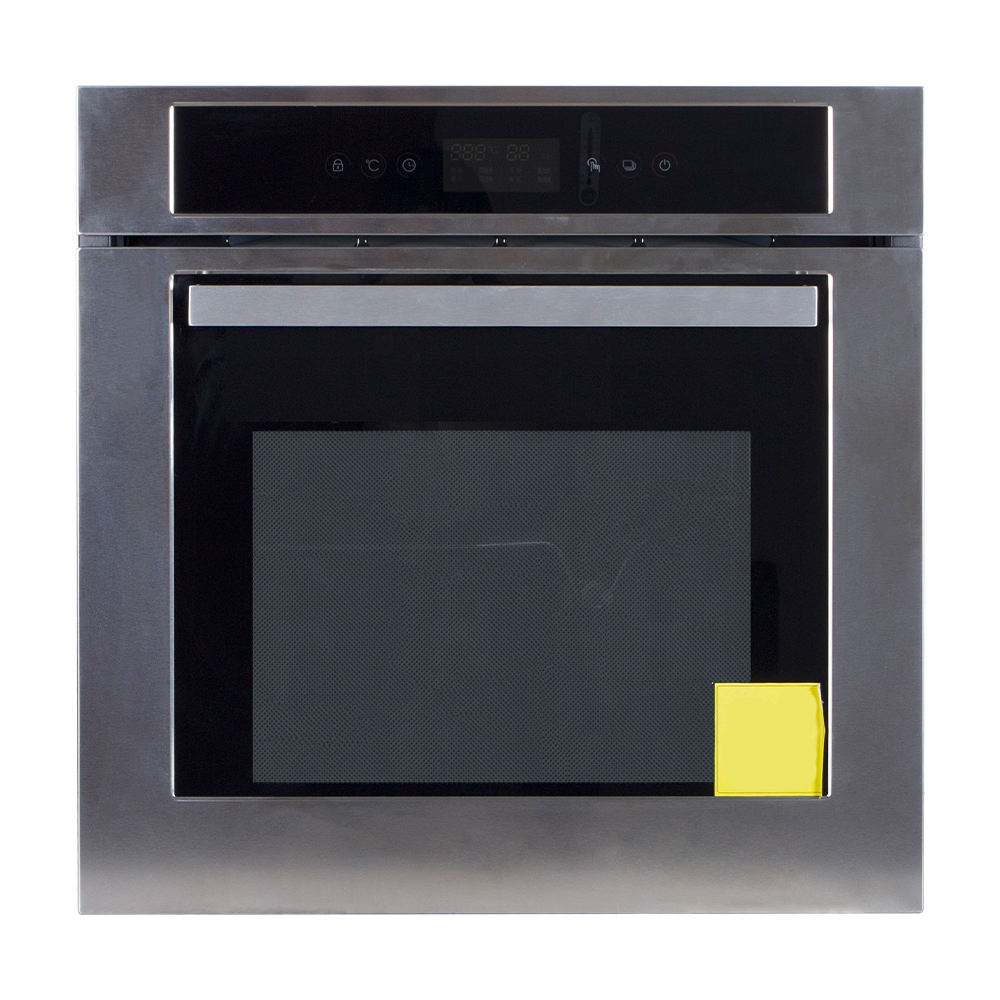
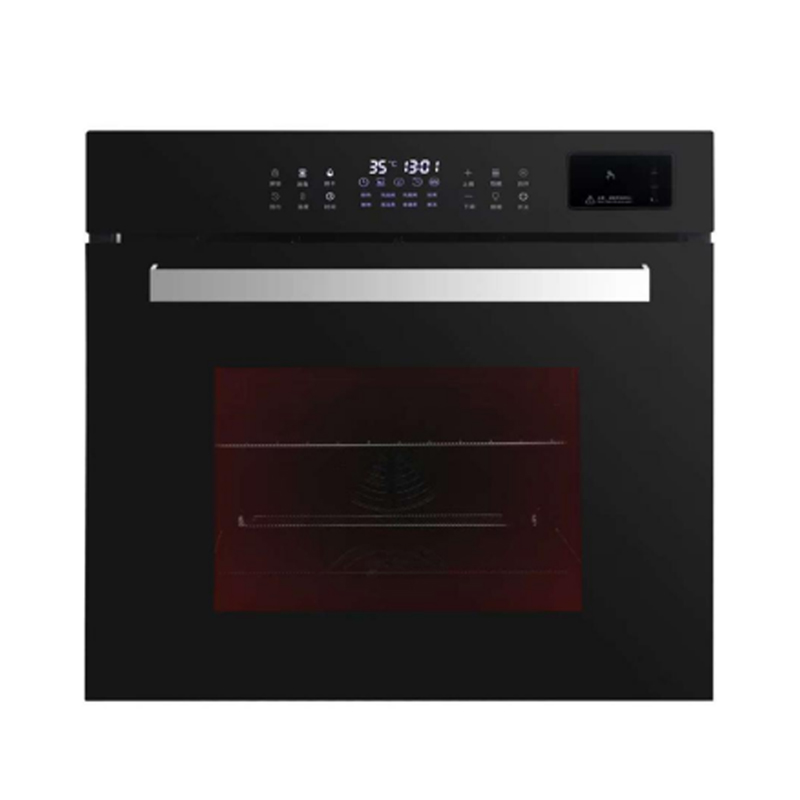
A large, intuitive touchscreen display (ideally 4 inches or larger) allows for easy navigation through cooking programs, manual settings, and recipe libraries. Look for high-contrast screens that remain legible in bright kitchen lighting.
Built-In Recipe Programs
High-end steam wall ovens include pre-programmed automatic cooking modes that set time, temperature, and humidity automatically for common dishes — from bread and roasts to yogurt and custard. The more programs available, the easier it is for less experienced cooks to get great results.
Wi-Fi and App Connectivity
Smart steam wall ovens with Wi-Fi connectivity allow you to control and monitor cooking from your smartphone. Features may include remote preheating, push notifications when cooking is complete, automatic recipe downloads, and even integration with voice assistants like Amazon Alexa or Google Assistant.
Programmable Timers and Delay Start
A delay start timer allows you to load the oven with food and set it to begin cooking at a specified time — extremely useful for having a meal ready when you arrive home. Multi-stage programming lets you sequence different cooking modes automatically within a single cook session.
6. Cleaning and Maintenance Features
Steam cooking inherently produces condensation, which means regular cleaning is essential. The best steam wall ovens make this as painless as possible through:
- Steam-clean / AquaClean function: Injects steam into a cold or warm oven to loosen grease and food residue, reducing the need for chemical cleaners or heavy scrubbing.
- Pyrolytic self-cleaning: Available on some combination models, this feature heats the oven to around 450–500°C (840–930°F) to incinerate any residue into ash that can simply be wiped away.
- Catalytic liners: Special panels that absorb and burn off grease during normal cooking at high temperatures.
- Smooth enamel interior: A seamless, smooth enamel cavity with no exposed heating elements on the floor makes wiping down the interior much faster and easier.
- Descaling reminders: Automatic alerts that tell you when the steam generator needs to be descaled, preventing limescale buildup that can damage the appliance.
7. Door Design and Insulation Quality
The oven door is more than just an entry point — it affects heat retention, energy efficiency, and user safety:
- Triple or quadruple glazing: Multiple panes of glass significantly reduce heat loss and keep the exterior glass cool to the touch, reducing burn risk — especially important in households with children.
- Cool-touch door: An exterior door surface that stays below 45°C (113°F) during operation is a critical safety feature.
- Soft-close hinges: A door that closes gently without slamming prevents damage and feels premium in use.
- Full-extension pull-out rack compatibility: Doors designed to open wide enough to accommodate telescopic or full-extension racks allow safe access to hot food without straining.
8. Energy Efficiency and Running Costs
A steam wall oven is a long-term investment, and energy consumption directly affects the total cost of ownership. Key things to look for include:
- EU or Energy Star energy rating: In Europe, look for an A or A+ energy class rating. In North America, check for ENERGY STAR certification where applicable.
- Rapid preheat technology: Fast preheat not only saves time but also reduces energy waste by minimizing the window when the oven is heating up but not actively cooking.
- Eco mode: Some models include an eco cooking mode that uses residual heat toward the end of a cooking cycle, cutting off active heating a few minutes early to save electricity.
9. Installation and Kitchen Integration
A steam wall oven must be installed at the right height for comfort and safety. Standard wall oven installation heights place the oven cavity between hip and shoulder height, reducing the need to bend down. Consider:
- Cut-out dimensions: Verify the exact cabinet cutout required (height, width, depth) before purchasing. Even slight mismatches can require expensive cabinet modifications.
- Flush or recessed installation: Some premium models are designed for flush installation so the door sits perfectly in line with surrounding cabinetry for a seamless, custom-kitchen look.
- Ventilation requirements: Steam ovens require adequate ventilation. Confirm the model's requirements and ensure your kitchen ventilation meets them.
- Electrical requirements: Most steam wall ovens require a dedicated 240V circuit. Confirm your home's electrical panel can support this before purchasing.
Frequently Asked Questions About Steam Wall Ovens
Q: Can a steam wall oven replace a conventional oven entirely?
Yes — provided it includes a combination convection mode. A full-featured combi steam oven can do everything a conventional oven can do (roasting, baking, broiling) plus much more. A pure-steam-only model, however, cannot replicate the dry, high-heat cooking needed for crispy roast potatoes or pizza crust.
Q: Is a steam wall oven healthier than a regular oven?
Steam cooking is widely regarded as one of the healthiest cooking methods because it uses no added fat and preserves significantly more water-soluble vitamins (such as vitamin C and B vitamins) compared to boiling or high-heat dry cooking. Studies consistently show that steam-cooked vegetables retain more nutrients than those cooked by other methods.
Q: How often does a steam wall oven need to be descaled?
This depends on the hardness of your local water supply and how frequently you use the oven. In areas with hard water, descaling may be needed every 4–8 weeks of regular use. Most modern steam ovens include an automatic descaling reminder. Using filtered or distilled water in the water tank significantly extends the interval between descaling cycles.
Q: What size steam wall oven is right for a family of four?
A standard-size steam wall oven with 36–55 liters of capacity and a 60 cm (24-inch) width is ideal for a family of four. This provides enough room for a full roast, multiple trays of vegetables, or a large batch of bread without being oversized for daily use.
Q: Can I bake bread in a steam wall oven?
Absolutely — and it excels at it. Professional bakers use steam because injecting steam during the first 15–20 minutes of baking keeps the crust pliable so the bread can fully expand before setting. A steam wall oven replicates this process precisely, resulting in dramatically better loaves with a crisp, blistered crust and an open, airy crumb — impossible to achieve in a standard dry oven.
Q: Are steam wall ovens difficult to install?
Installation complexity varies. Models with a removable water tank only need a standard 240V electrical connection and fit into a cabinet cutout — a straightforward process for a qualified electrician. Models requiring a direct plumbing connection additionally need a plumber to connect a water supply line and a drain, which adds cost and complexity to the installation.
Q: What is the lifespan of a steam wall oven?
With proper maintenance — including regular descaling and cleaning — a high-quality steam wall oven should last 12–20 years. The steam generator and door seals are typically the components that wear most over time. Choosing a model from a manufacturer with a strong service network and readily available spare parts is important for long-term ownership.
Final Thoughts: Choosing the Right Steam Wall Oven
Investing in the right steam wall oven transforms not just how your kitchen looks, but how you cook every single day. The key is matching the features to your actual cooking habits and household needs — not simply buying the most expensive model available.
If you cook frequently and value versatility, prioritize a full combi steam oven with adjustable humidity, a core temperature probe, and a comprehensive set of cooking modes. If budget is a constraint, even an entry-level steam oven will deliver meaningful benefits for vegetables, fish, and reheating that far exceed what a conventional oven can offer.
Above all, focus on the fundamentals: cooking mode flexibility, precise humidity and temperature control, ease of cleaning, and build quality. These features will define your daily experience with your steam wall oven far more than any headline marketing specification.