中文简体
中文简体 Español
 عربى
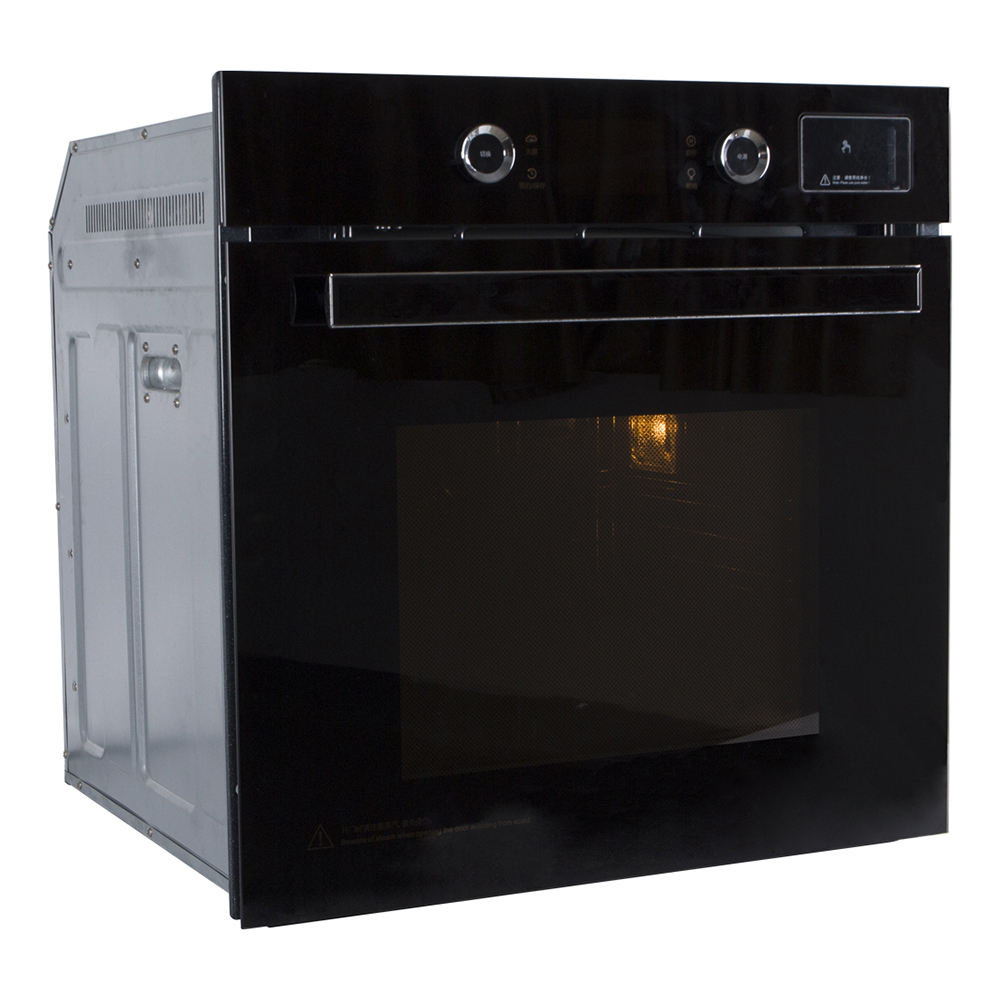
عربىThe short answer is that a Steam Wall Oven utilizes moisture as the primary heat transfer medium, which preserves nutrients, flavors, and textures far more effectively than the dry heat of a traditional oven. While a traditional oven relies on hot air to brown and crisp food, a Steam Wall Oven prevents food from drying out, offering a healthier and more versatile cooking experience that professional chefs have used for decades.
Content
Understanding the Core Differences
When designing a modern kitchen, the choice between a Steam Wall Oven and a traditional convection or thermal oven is one of the most critical decisions. To understand the comparison, we must first look at the science of heat.
Traditional ovens use electric elements or gas burners to heat the air inside the cavity. This "dry heat" is excellent for achieving the Maillard reaction—the chemical process that gives roasted meat and baked goods their brown, crispy crust. However, dry heat also evaporates moisture from the food. If you have ever experienced a dry Thanksgiving turkey or a shrunken roast, you have seen the limitations of dry heat.
Conversely, a Steam Wall Oven introduces water vapor into the cooking chamber. Because water conducts heat more efficiently than air, steam cooks food faster and more evenly. More importantly, the humid environment prevents the moisture within the food from escaping, resulting in succulent meats and vibrant vegetables.
Direct Comparison: Features and Performance
| Feature | Steam Wall Oven | Traditional Oven |
|---|---|---|
| Heat Medium | Moist Steam / Vapor | Dry Hot Air |
| Nutrient Retention | High (Preserves vitamins) | Lower (Heat degrades vitamins) |
| Cooking Speed | Faster for many dishes | Standard |
| Browning/Crisping | Moderate (Requires Combi-mode) | Excellent |
| Flavor Transfer | Minimal (Cook multiple items) | Higher Risk |
The Health Revolution of Steam Cooking
One of the primary reasons homeowners are switching to a Steam Wall Oven is health. When you boil vegetables, many of the water-soluble vitamins (like Vitamin C and B-complex vitamins) leach out into the water and are poured down the drain. When you roast them in a traditional oven at high temperatures, the intense heat can destroy heat-sensitive phytonutrients.
Steam cooking is much gentler. Because the temperature of steam is constant and the environment is saturated with moisture, the cellular structure of the food remains intact. This means your broccoli stays bright green, your carrots remain sweet and crisp, and your salmon retains its healthy Omega-3 fatty acids. Furthermore, steam cooking eliminates the need for excess oils or fats to keep food from sticking or drying out, making it the gold standard for heart-healthy meal preparation.
Superior Texture and Moisture Retention
Texture is where the Steam Wall Oven truly shines. Think about the last time you reheated pizza in a traditional oven or microwave. It either becomes rock-hard or soggy. A steam oven, however, acts as a "rejuvenator." It reintroduces moisture into the food, making day-old bread taste like it just came from the bakery.
- The Steam Wall Oven creates an ideal environment for dough to rise, resulting in airy interiors and glossy crusts for bread.
- Meats cooked in steam lose significantly less weight during the cooking process compared to traditional roasting.
- Custards, cheesecakes, and puddings can be cooked directly in the oven without the need for a cumbersome water bath (bain-marie).
The Versatility of the Combination Steam Wall Oven
It is important to note that many modern Steam Wall Oven units are actually "combi-ovens." This means they can perform three distinct functions: pure steam, pure convection (dry heat), or a combination of both.
This combination mode is the "secret weapon" of professional chefs. By using a Steam Wall Oven in combination mode, you can use steam to keep the inside of a roast chicken incredibly moist while using convection heat to crisp the skin to a perfect golden brown. You get the best of both worlds—the efficiency and moisture of steam plus the browning capabilities of a traditional oven.
Installation and Maintenance Considerations
Choosing a Steam Wall Oven also involves practical considerations regarding your kitchen layout. Unlike traditional range ovens, wall ovens are installed at eye level, which is more ergonomic and safer for the back.
Plumbed vs. Reservoir Models
A Steam Wall Oven requires a water source. There are two main types:
- Plumbed-in Models: These are connected directly to your home's water line. They are convenient because they refill and drain automatically, but they require professional plumbing during installation.
- Reservoir Models: These have a removable water tank that you fill manually. They are easier to install in existing kitchens but require you to monitor water levels during long cooking cycles.
Cleaning and Descaling
Because they use water, a Steam Wall Oven will eventually build up limescale, much like a coffee maker. Most high-end units have an automated descaling cycle. Traditional ovens often use high-heat self-cleaning cycles (pyrolytic cleaning), which can be hard on the oven's internal components and create odors. Steam ovens are generally easier to wipe down because the steam keeps food spills from being "baked on" as severely as they are in dry-heat environments.
Is a Steam Wall Oven Worth the Investment?
The investment in a Steam Wall Oven is typically higher than that of a standard traditional oven. However, the value lies in the lifestyle change. If you prioritize healthy eating, gourmet-level results, and time-saving features (like faster preheating and multi-level cooking without flavor transfer), the steam oven is an unparalleled addition to the home.
Traditional ovens are still necessary for certain tasks, particularly large-scale baking or when a very high-intensity dry heat is needed for searing. This is why many premium kitchen designs now feature both—a Steam Wall Oven for daily healthy meals and a larger traditional oven for holiday entertaining.
Frequently Asked Questions (FAQ)
Can I bake a cake in a Steam Wall Oven?
Yes. In fact, cakes baked with a touch of steam often have a better rise and a more moist crumb. If your oven is a combination model, you can use the convection mode for standard baking or the combination mode for professional results.
Does a Steam Wall Oven replace a microwave?
For many users, yes. While it may not be as fast as a microwave for heating a cup of tea, it is vastly superior for reheating food. A Steam Wall Oven rehydrates leftovers, making them taste fresh rather than rubbery.
Is it difficult to learn how to use a steam oven?
There is a slight learning curve because steam cooks more efficiently. However, most modern Steam Wall Oven models come with pre-programmed "auto-cook" settings that take the guesswork out of the process.
Can I use tap water in my steam oven?
Most manufacturers allow tap water, but if you live in a hard-water area, you will need to descale the unit more frequently. Some users prefer filtered water to minimize mineral buildup.
Final Verdict
In the battle of Steam Wall Oven vs. traditional ovens, the winner depends on how you cook. If you are a culinary enthusiast who values the science of food and the health of your family, the steam oven is a transformative tool. It offers a level of precision and moisture control that traditional dry-heat ovens simply cannot match.
By integrating a Steam Wall Oven into your kitchen, you are not just adding an appliance; you are adopting a method of cooking that celebrates the natural integrity of ingredients. Whether it’s perfectly poached fish, crusty artisanal bread, or the best-reheated leftovers you’ve ever tasted, the steam oven stands as a testament to the evolution of home cooking technology.