中文简体
中文简体 Español
 عربى
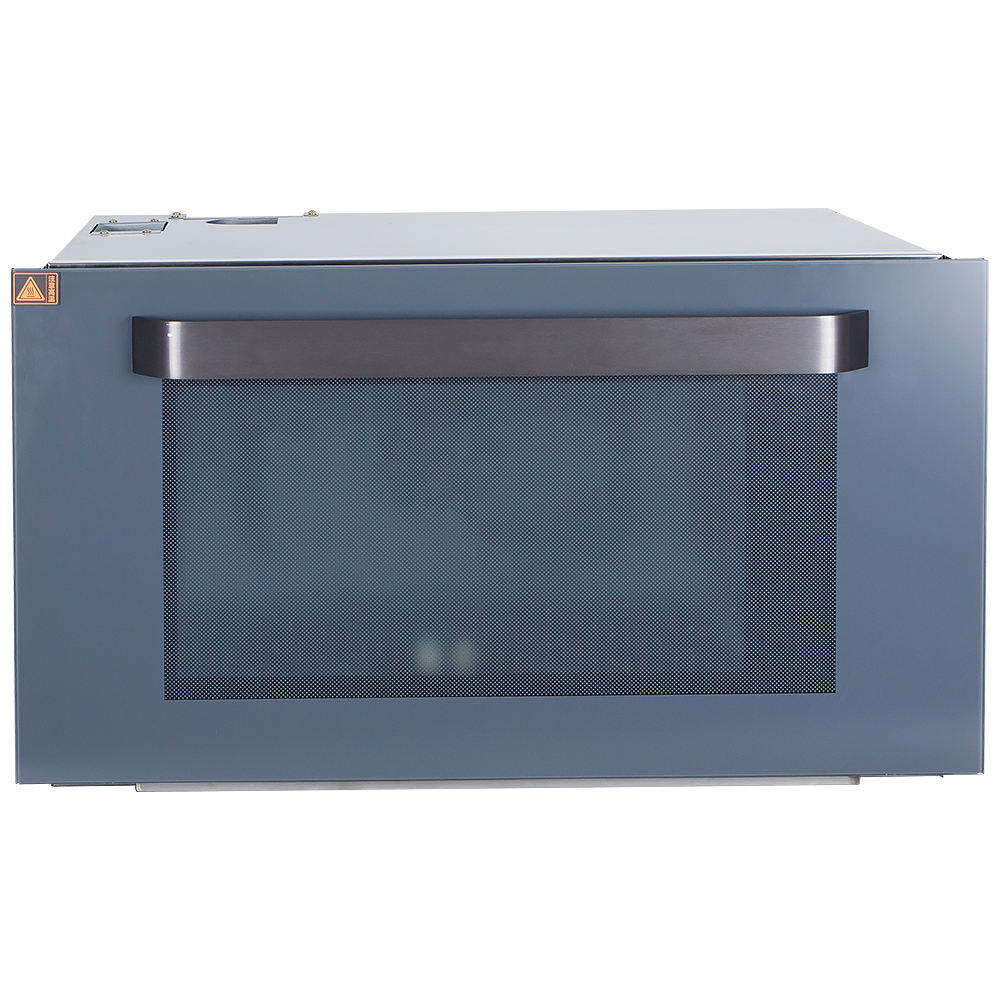
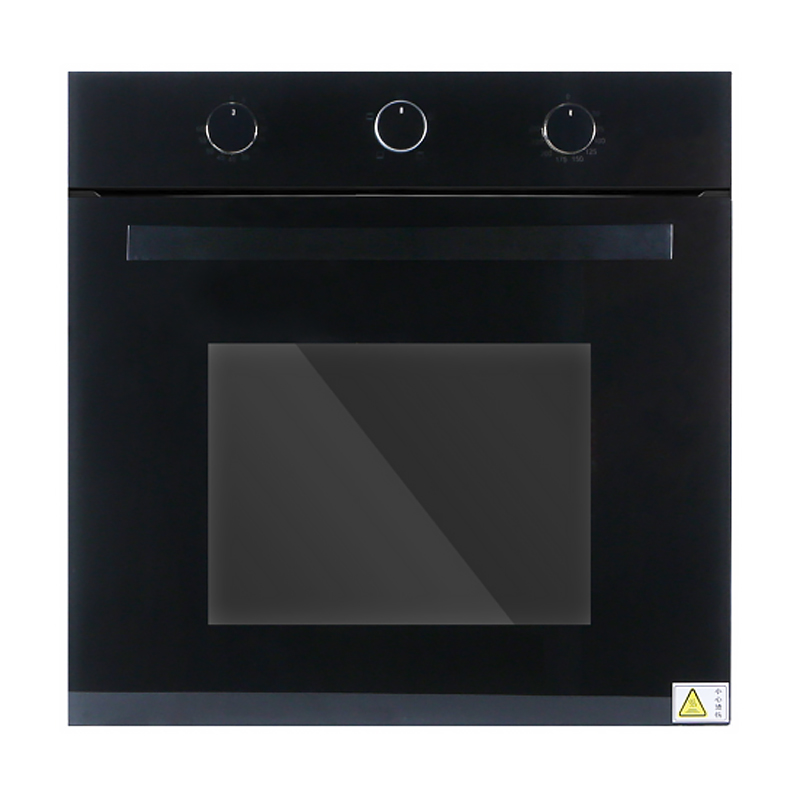
عربىThe Steam Wall Oven has become a popular choice for health-conscious homeowners and professional chefs alike. Unlike traditional ovens, a steam wall oven combines steam with conventional heating to cook food more evenly, retaining moisture, nutrients, and flavor. This innovative cooking appliance allows for healthier meal preparation without compromising taste or texture.
Content
How a Steam Wall Oven Works
A Steam Wall Oven uses a combination of water vapor and dry heat to cook food. The steam penetrates the food, preventing dehydration and preserving vitamins and minerals that are often lost in conventional baking or roasting. The technology also allows precise temperature control, which reduces the risk of overcooking and nutrient degradation.
Steam vs. Traditional Oven Cooking
- Moisture Retention: Traditional ovens tend to dry out food during cooking, while steam wall ovens maintain natural moisture, resulting in juicier meats and more tender vegetables.
- Nutrient Preservation: Water-soluble vitamins such as B-complex and C are better preserved in a steam environment, compared to high-heat dry ovens that can destroy sensitive nutrients.
- Lower Fat Cooking: Steam ovens often require less oil or fat, making meals healthier without sacrificing taste or texture.
- Enhanced Flavor: The gentle cooking process helps retain natural flavors, so there is less need for excessive salt or seasoning.
Health Advantages of Using a Steam Wall Oven
1. Retains Nutrients in Vegetables and Fruits
Vegetables and fruits are rich in essential vitamins and minerals. Cooking in a Steam Wall Oven minimizes nutrient loss, especially for water-soluble vitamins like vitamin C, folate, and B vitamins. Steaming also helps maintain the vibrant color and texture of produce, making meals more visually appealing and nutrient-dense.
2. Promotes Lean Protein Cooking
Meats, poultry, and fish retain their natural juices when cooked in a steam wall oven. The method reduces the need for added fats, resulting in leaner dishes that are lower in calories and saturated fat. This is particularly beneficial for individuals seeking heart-healthy and weight-conscious meal options.
3. Supports Gluten-Free and Low-Sodium Diets
The gentle steam cooking technique allows grains like quinoa, rice, and gluten-free pasta to cook evenly without sticking or becoming dry. Additionally, because food retains more of its natural flavor, less salt is needed, supporting low-sodium diets and reducing the risk of hypertension.
4. Encourages Cooking at Home
A Steam Wall Oven simplifies healthy cooking at home. Its precise temperature control and multi-functionality (steam, bake, roast, reheat) encourage home chefs to prepare fresh meals rather than relying on processed or pre-packaged foods.
Comparison with Other Cooking Methods
Conventional Ovens vs. Steam Wall Ovens
| Feature | Conventional Oven | Steam Wall Oven |
|---|---|---|
| Moisture Retention | Low – food can dry out | High – retains natural juices |
| Nutrient Preservation | Moderate – high heat can degrade vitamins | High – steam minimizes nutrient loss |
| Cooking Time | Longer for delicate foods | Often shorter – efficient heat transfer |
| Flavor Enhancement | Moderate – may need added fats and seasoning | High – natural flavors preserved |
Microwave vs. Steam Wall Oven
While microwaves cook food quickly, they often heat unevenly and can degrade texture. A Steam Wall Oven provides uniform cooking and better moisture retention, producing superior taste and healthier results. Unlike microwaves, steam ovens can handle a wider range of foods, from baked goods to proteins, while maintaining nutrient integrity.
Tips for Maximizing Health Benefits
- Use fresh, seasonal ingredients to take full advantage of the steam cooking method.
- Minimize added fats, salts, and sugar since steam cooking preserves natural flavors.
- Experiment with combination modes like steam + convection to reduce cooking time and improve texture.
- Regularly clean the water reservoir to maintain optimal performance and hygiene.
Common Questions About Steam Wall Ovens
Q1: Can a Steam Wall Oven be used for baking desserts?
Yes, a Steam Wall Oven can bake a variety of desserts. The steam helps create moist cakes, custards, and bread with a delicate texture. Many ovens offer a dedicated baking mode optimized for desserts.
Q2: Are steam wall ovens energy-efficient?
Steam ovens generally consume slightly more energy than conventional ovens when using steam mode alone, but they often reduce overall cooking time and prevent food waste due to overcooking, making them an efficient choice in the long run.
Q3: Is it difficult to clean a steam wall oven?
Most modern steam wall ovens feature self-cleaning and descaling functions. The steam helps prevent burnt-on food, reducing manual scrubbing and making maintenance easier compared to conventional ovens.
Q4: Can a steam wall oven cook frozen food directly?
Yes, many models allow cooking frozen vegetables, fish, and meats directly. The steam ensures even thawing and cooking while preserving nutrients.
Conclusion
Incorporating a Steam Wall Oven into your kitchen offers significant health advantages. From nutrient preservation to reduced fat cooking and enhanced flavor, it supports a healthier lifestyle without sacrificing convenience or taste. Compared to conventional ovens and microwaves, steam wall ovens provide a superior balance of efficiency, versatility, and health-conscious cooking. Whether preparing everyday meals or gourmet dishes, this innovative appliance can transform the way food is cooked, making healthy eating easier and more enjoyable.