中文简体
中文简体 Español
 عربى
عربىThe Steam Wall Oven has rapidly become a must-have appliance in modern kitchens due to its combination of convenience, energy efficiency, and advanced cooking capabilities. However, proper installation is crucial to ensure optimal performance, safety, and longevity. Understanding the specific requirements for a built-in kitchen setup can help homeowners and designers achieve a seamless and functional integration.
Content
Understanding the Steam Wall Oven
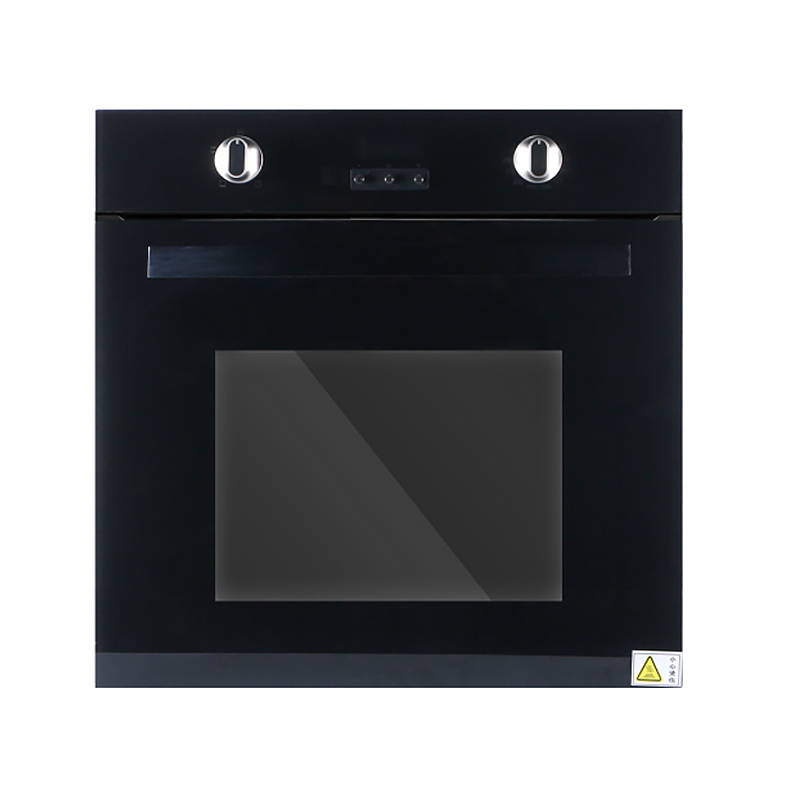
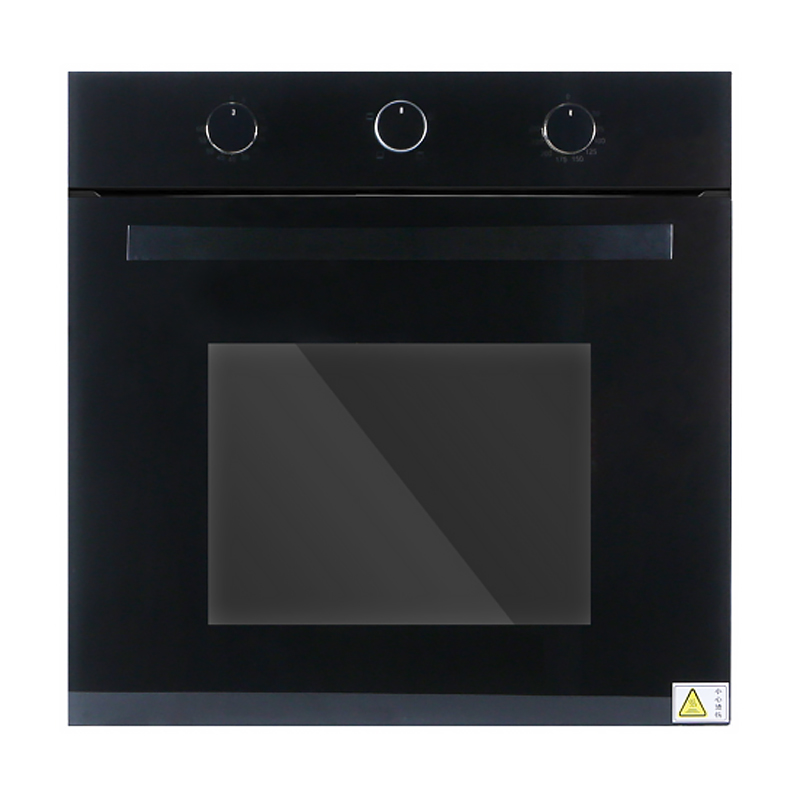
A Steam Wall Oven differs from traditional ovens by incorporating steam cooking technology, which enhances moisture retention, preserves nutrients, and allows precise temperature control. These ovens are commonly used for baking, roasting, steaming vegetables, and even reheating food without drying it out. Their built-in design integrates directly into kitchen cabinetry, creating a sleek, modern appearance while saving counter space.
Key Features of Steam Wall Ovens
- Steam Cooking Functionality: Adds moisture during cooking, preserving flavors and textures.
- Multiple Cooking Modes: Bake, roast, steam, and combination modes.
- Energy Efficiency: Steam ovens typically use less energy than traditional ovens.
- Precision Control: Advanced temperature sensors and timers for consistent results.
- Space-Saving Design: Built-in installation frees up countertop space and integrates seamlessly with cabinetry.
Built-In Installation Requirements
Installing a Steam Wall Oven requires careful planning to meet manufacturer guidelines, safety standards, and kitchen design principles. Below are the primary installation requirements:
1. Cabinet Space and Dimensions
The cabinet must accommodate the oven's height, width, and depth while allowing ventilation. Standard dimensions for steam wall ovens typically range from 24 to 30 inches in width, with depths of 23-25 inches and heights of 27-30 inches. Always check the specific model's dimensions before installation.
- Width: Ensure there is at least 1/2 inch of space on each side of the oven.
- Depth: The cabinet should be deep enough to avoid obstruction of the door or internal components.
- Height: Maintain appropriate clearance for the oven door to open fully without hitting countertops or adjacent cabinets.
2. Ventilation and Airflow
Proper ventilation is critical for Steam Wall Oven operation. Steam ovens release moisture during cooking, and inadequate airflow can lead to condensation buildup or damage to cabinetry.
- Rear Venting: Some models require rear clearance of 2-3 inches for heat dissipation.
- Top Clearance: Maintain space above the oven for proper airflow and heat release.
- Vent Openings: Ensure vents are not blocked by cabinetry panels or appliances.
3. Electrical Requirements
Most steam wall ovens are powered by 220-240V electrical circuits. Proper wiring ensures safety and oven performance.
- Dedicated Circuit: Use a dedicated breaker to avoid overload.
- Correct Outlet: Install according to manufacturer specifications, typically a grounded outlet with appropriate amperage.
- Professional Installation: Certified electricians should handle wiring to comply with local electrical codes.
4. Water Supply for Steam Function
The steam feature requires a water connection. Some models include a water reservoir, while others connect directly to the household water line.
- Plumbing Connection: Ensure a cold water supply line is nearby if direct connection is required.
- Drainage: Certain ovens may need a condensation drainage system.
- Water Quality: Using filtered water can prevent mineral buildup in the steam system.
5. Safety and Compliance
Compliance with safety standards protects both users and the home structure.
- Clearances: Follow manufacturer guidelines for side and top clearance to prevent overheating.
- Heat-Resistant Materials: Use cabinets and surrounding surfaces that can withstand oven heat and moisture.
- Professional Installation: Certified installers ensure adherence to safety codes and optimal oven performance.
Comparison with Traditional Wall Ovens
When planning a built-in kitchen, it is helpful to compare steam wall ovens with traditional wall ovens:
| Feature | Steam Wall Oven | Traditional Wall Oven |
|---|---|---|
| Cooking Method | Steam, combination of steam and dry heat | Dry heat only |
| Moisture Retention | High – maintains food texture and flavor | Low – food may dry out |
| Installation Needs | Requires water connection and ventilation | Ventilation only |
| Energy Efficiency | Generally higher due to precise cooking | Moderate |
| Price | Higher upfront cost | Lower upfront cost |
Tips for Smooth Installation
- Measure the cabinet space carefully before purchasing a Steam Wall Oven.
- Hire professionals for electrical and plumbing connections.
- Follow the manufacturer's instructions for ventilation, clearance, and leveling.
- Check the oven's water filtration and drainage requirements if applicable.
- Plan kitchen layout for optimal reach, accessibility, and safety.
Frequently Asked Questions (FAQ)
1. Can a steam wall oven be installed in any cabinet?
Not all cabinets are suitable. Cabinets must meet size, ventilation, and heat-resistance requirements specified by the oven manufacturer.
2. Is professional installation mandatory?
While some skilled homeowners may attempt installation, professional installation is recommended for electrical, plumbing, and safety compliance.
3. Can steam wall ovens replace traditional ovens completely?
Yes, they can handle most cooking tasks. However, they are particularly advantageous for baking, steaming, and reheating, while some high-temperature roasting may still be preferred in traditional ovens.
4. Do steam wall ovens consume more energy?
No. Many steam wall ovens are more energy-efficient due to shorter cooking times and precise temperature control.
5. How often should the water system be maintained?
Regular maintenance, including descaling if necessary, ensures the steam function operates efficiently and prolongs the oven's life.
Installing a Steam Wall Oven in a built-in kitchen requires careful attention to cabinet dimensions, ventilation, electrical supply, and water connections. Compared to traditional wall ovens, steam ovens provide superior moisture retention, healthier cooking, and enhanced precision. Proper planning and professional installation ensure safety, durability, and a seamless kitchen design.