中文简体
 Español
 عربى
Short answer: yes, a steam oven is worth it if you bake bread, roast often, or reheat real food several times a week. It is probably not worth it if your oven mostly handles frozen pizza and toast, or if your kitchen runs on very hard water with no filtration in sight.
A steam oven is a built-in oven that injects water vapour into the cooking cavity, either as pure steam or blended with fan-driven heat. That single change, moisture in the air, alters how crusts form, how much meat shrinks, and how well last night's rice survives reheating. Everything else, price, plumbing, descaling, cabinet depth, follows from it.
The judgement below is practical rather than promotional: what steam genuinely improves, where it disappoints, and which measurements and specifications decide whether the appliance earns its footprint.
Content
What a Steam Oven Actually Changes
Steam does not make an oven faster; it makes the air inside the cavity wetter, and that is the whole mechanism. A convection oven moves dry heat, which pulls moisture off the surface of food and drives browning. A steam oven holds moisture on the surface, which delays browning and keeps texture soft, unless you deliberately switch back to dry heat.
In combi mode, humidity and temperature are controlled separately. Typical ranges run from 30°C to 230°C with humidity selectable from 0% to 100%, which is why the same cavity can poach fish at 65°C, proof dough at 35°C, and finish a roast chicken at 210°C with a dry final stage.
| Type | How steam is delivered | Typical cavity | Strongest use | Main limitation |
|---|---|---|---|---|
| Dedicated steam oven | Steam generator only, no fan browning on some models | 20 to 40 litres | Vegetables, fish, rice, dumplings, gentle reheating | No browning; usually needs a second oven |
| Combi steam oven | Humidity controlled alongside a convection fan | 40 to 70 litres | Bread, roasting, custards, one-oven kitchens | Highest price; more components to service |
| Steam-assist oven | Short steam bursts from a small reservoir | 60 to 80 litres | Home bakers chasing crust, juicier roasts | Limited humidity control and burst duration |
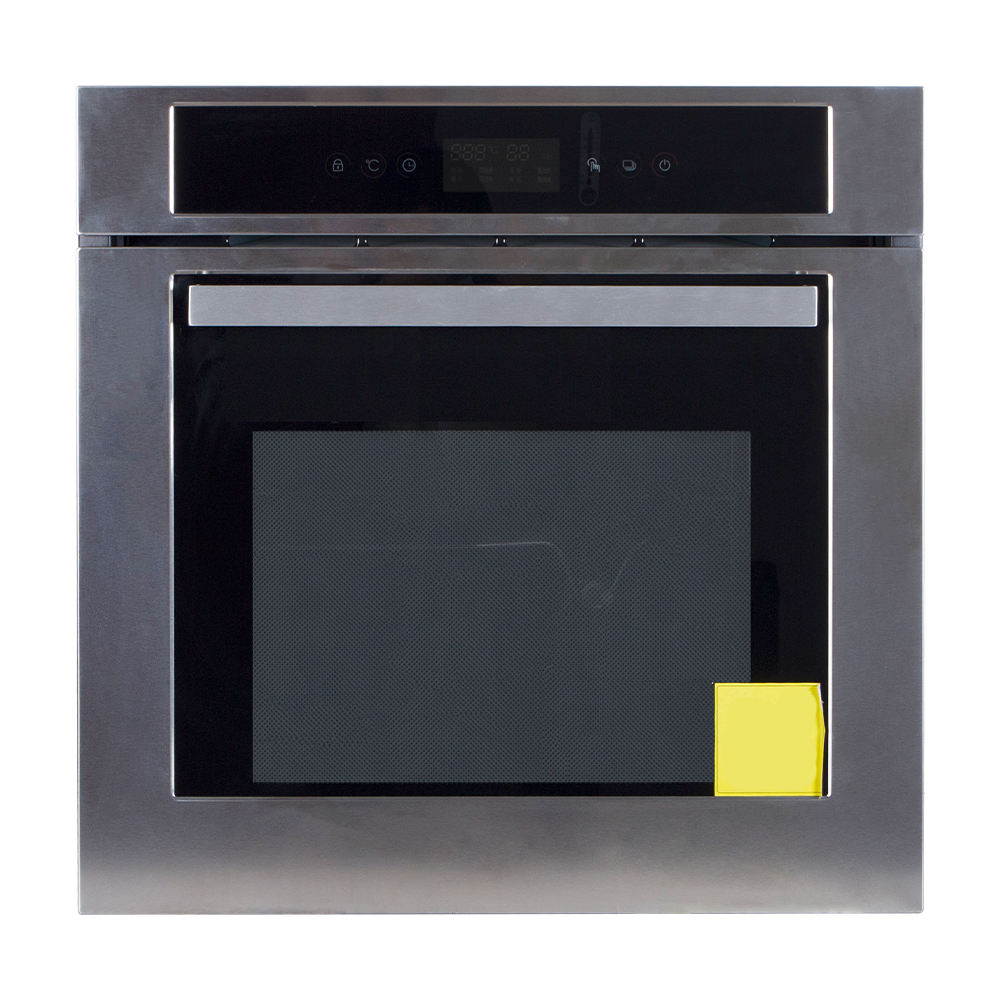
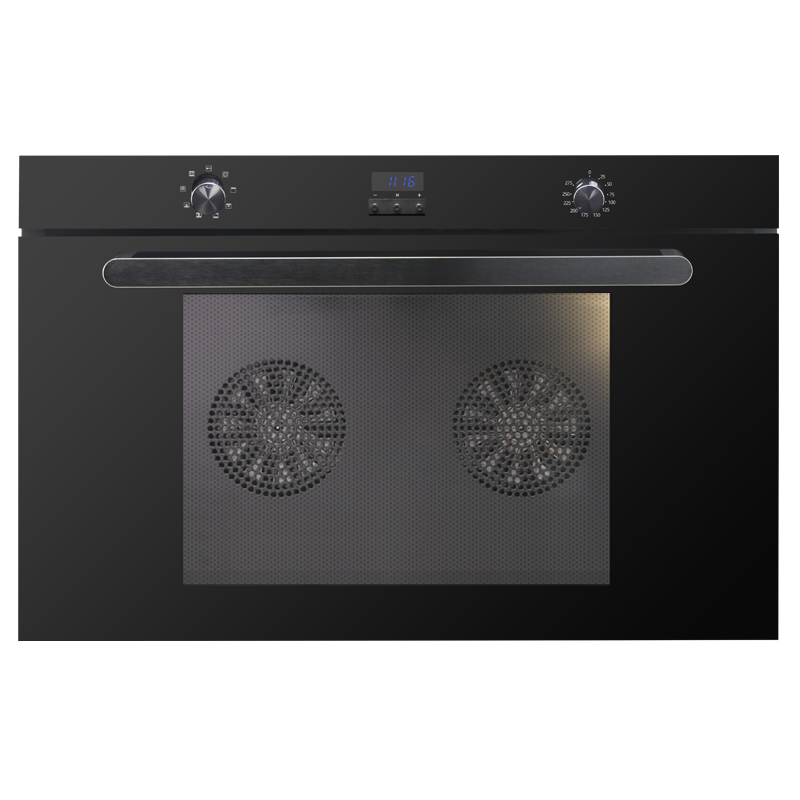
 Built-in Steam Baking Oven with Adjustable Humidity ControlCombines conventional baking with adjustable steam injection and separate temperature and humidity control for moist interiors and crisp finishes.View Product →
Where Steam Ovens Earn Their Price
Four tasks separate a steam oven from a good convection oven, and all four are routine rather than exotic. If none of them matches how you cook, the premium buys you very little.
Bread and pastry
Steam in the first 8 to 12 minutes is what separates a bakery loaf from a flat one. The wet film keeps the crust elastic while the dough expands, so you get oven spring instead of a skin that sets early and tears. Surface starch gelatinises into a thin, glossy crust rather than a thick, dry shell. The same logic improves choux pastry, baguettes and steam-injected rye.
Reheating without drying
Reheated rice, roast chicken, pork loin and even a slice of yesterday's pizza come back moist at 100% steam for 5 to 8 minutes. The internal temperature climbs to 60 to 65°C without the surface hitting the dehydration point that makes microwave and dry-oven reheating taste tired.
Vegetables, fish and custards
Steam heats by condensation, which is gentler than dry air. Greens keep colour and lose less water-soluble vitamin content; fish holds together at 55 to 60°C; custards set without the rubbery skin that dry heat creates. This is the part of steam cooking most people underestimate before buying and use most often afterwards.
Combi roasting
The useful technique is a two-stage roast: dry heat at 210 to 220°C for the first 15 minutes to build colour, then 160°C with 30% to 40% humidity to finish. Shrinkage drops noticeably compared with an all-dry roast, and pan juices stay in the meat rather than evaporating.
Where Steam Ovens Disappoint
Almost every complaint traces back to water quality, repair cost, or the extra browning step, not to the cooking itself. Knowing these four points before ordering prevents most of the regret.
- No browning on pure steam. Chicken skin and pastry stay pale below roughly 200°C; you need a combi mode or a separate grill element to finish.
- Scale is the real maintenance item. Water above about 120 mg/L calcium carbonate will scale a generator in three to six months of regular use, so filtered or low-mineral water and a descale cycle every 4 to 8 weeks are part of ownership, not optional extras.
- The premium is real. A combi typically costs noticeably more than a comparable convection wall oven, and steam generators, pumps and sensors add components that can fail.
- Usable volume drops. Water tanks and plumbing hardware eat into cavity space, and a plumbed model needs both a cold supply and a drain line inside the cabinet run.
- There is a learning curve of roughly two to four weeks while you recalibrate times and humidity levels for dishes you already know.
The honest summary: steam rewards people who cook from ingredients and punishes people who expect a single button to do everything.
Space, Power and Water: The Checks That Decide It
Fit, not cooking, kills more steam oven purchases, so measure the cabinet before comparing recipes. A standard 60 cm built-in column usually has room, but depth, ventilation and services are where installations fail.
- Cabinet cut-out: confirm cavity depth of 550 to 570 mm and a side clearance of 2 to 5 mm per the manual; tight tolerances matter because the door hinge needs room to open fully.
- Rear ventilation: leave the gap the manual specifies, typically 40 mm or more, so the electronics and steam generator do not overheat.
- Power: most full-size combi units draw 2.8 to 3.6 kW and want a dedicated 16 A circuit at 220 to 240 V; in 110 V markets a 3.6 kW unit needs a 240 V supply.
- Water route: tank models hold 1 to 1.5 litres and give roughly 20 to 40 minutes of continuous steam, so refills are frequent during long bakes; plumbed models need a cold supply at 0.1 to 0.4 MPa plus a drain.
- Service access: leave room for the unit to slide out, because descaling and generator service are not done in place.
 Household Built in Home Pizza Electric Digital Steam OvenHousehold Built in Home Pizza Electric Digital Steam Oven is a built-in pizza electric steam oven specially designed for homes. It combines digital control technology ...View Product →
Who Should Buy One, and Who Should Not
The purchase decision sorts cleanly by household habit, not by budget. The table below is the filter worth applying before you shortlist models.
| Household habit | Verdict | Reason |
|---|---|---|
| Bakes bread or pastry weekly | Yes | Crust, oven spring and volume improve immediately; the oven pays for itself in results alone |
| Reheats meals most days | Yes | Rice, meats and bread return moist instead of dry-edged |
| One oven slot in a compact kitchen | Only as a combi | A combi covers both roles; a steam-only unit forces a second appliance into the design |
| Very hard water, no filtration planned | Careful | Scale shortens generator life; budget for filtration or a strict descale routine |
| Mostly frozen pizza and toast | No | Browning and speed matter more here, and a good convection oven costs less |
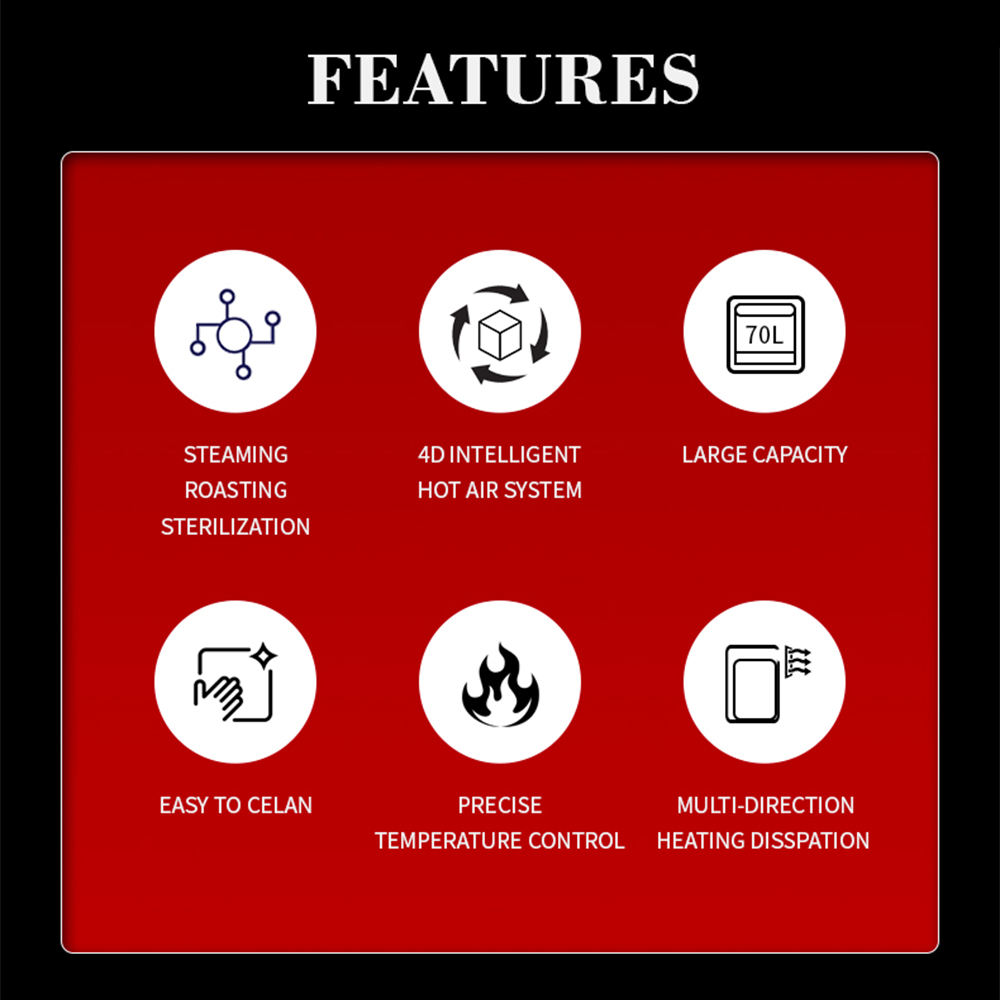 Built-in Steam Biscuit Baking Oven with Convection and Safety FeaturesActive steam injection and convection support even baking of bread, pizza, and biscuits, with overheating protection and a child lock.View Product →
What to Check Before You Order
Four numbers decide satisfaction more than any marketing feature: humidity range, water delivery, usable cavity volume and service access. Everything else is secondary.
- Humidity control from 0% to 100% with independent temperature, not just fixed steam bursts.
- Descale routine you will actually follow, ideally with a removable, dishwasher-safe water tank.
- Usable volume after the tank is fitted, especially if you bake two trays at once.
- Whether the model is plumbed or manual-fill, and whether your cabinet can support either.
- Door and rack ergonomics, since you will reach in with liquid-heavy trays.
When comparing a dedicated steam cavity against a combi, check humidity range first. The built-in steam wall oven range shows how the two configurations are specified, and the precision cooking system guide explains which humidity levels suit bread, fish and roasts so you can match settings to your own menu.
Frequently Asked Questions
Do steam ovens cook faster than normal ovens?
No. Steam is a moisture upgrade, not a speed upgrade. Pure steam is capped near 100°C at sea level, so dense items can take slightly longer; only the combi mode with convection heat competes on speed.
Can I use ordinary tap water?
Only if your water is soft. Most manufacturers specify filtered or low-mineral water because scale damages the generator, and in hard-water areas a filter cartridge is cheaper than a repair.
Is it worth adding one if I already have a convection oven?
Yes, if the gap is bread, reheating and moist roasting. A combi adds humidity control that dry convection cannot replicate, and it replaces the second appliance many kitchens buy for baking anyway.
How much maintenance does a steam oven need?
Rinse and dry the tank weekly, wipe the cavity after steamy cooks, and run a descale cycle every 4 to 8 weeks in hard-water areas, each cycle taking roughly 20 to 40 minutes.
Can a steam oven replace a microwave?
For reheating, largely yes, but slower: expect 5 to 8 minutes instead of 2, with far better texture. Keep a microwave if speed at breakfast matters.
Steam ovens are worth it when your cooking already leans on moisture, bread, roasts, vegetables, reheated meals, and your kitchen can supply the power, water and clearance the unit needs. If the answer to those two conditions is yes, the appliance quietly becomes the most-used oven in the room. If not, a well-insulated convection oven will do everything you actually ask of it for a good deal less money and far less descaling.