中文简体
中文简体 Español
 عربى
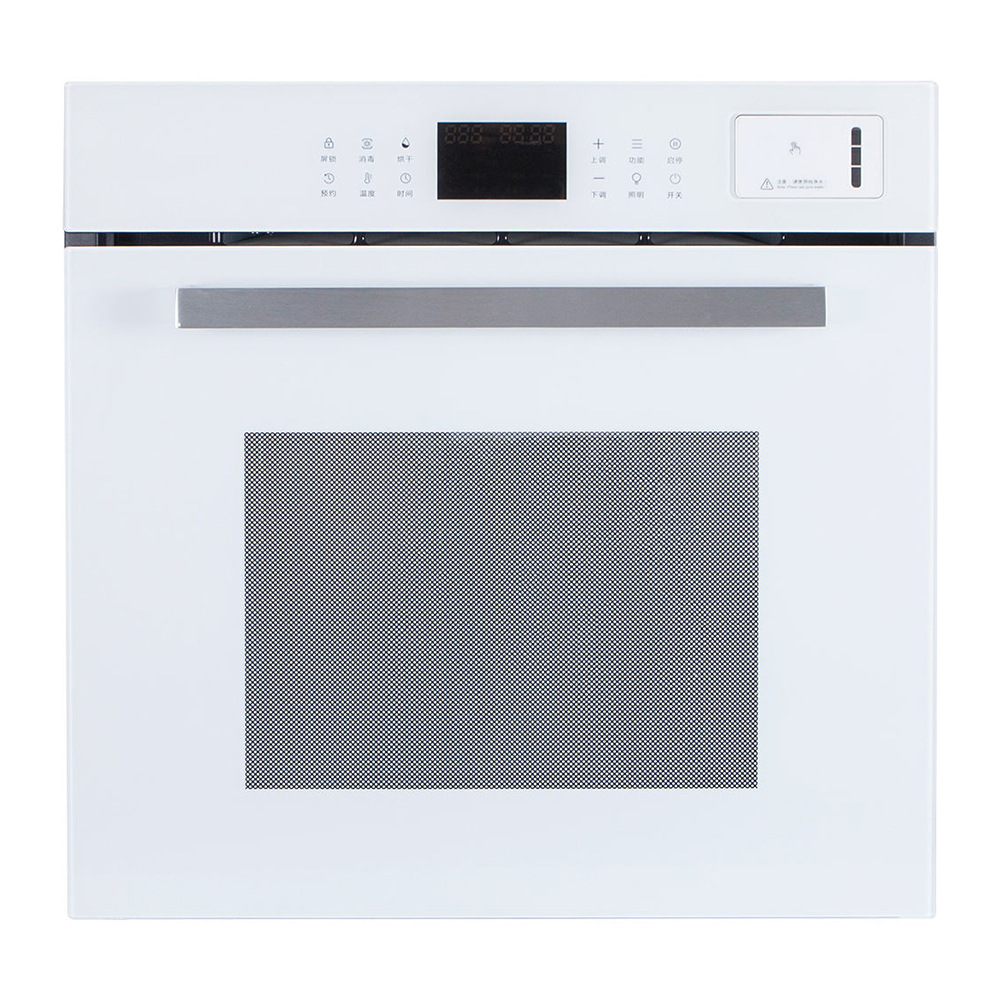
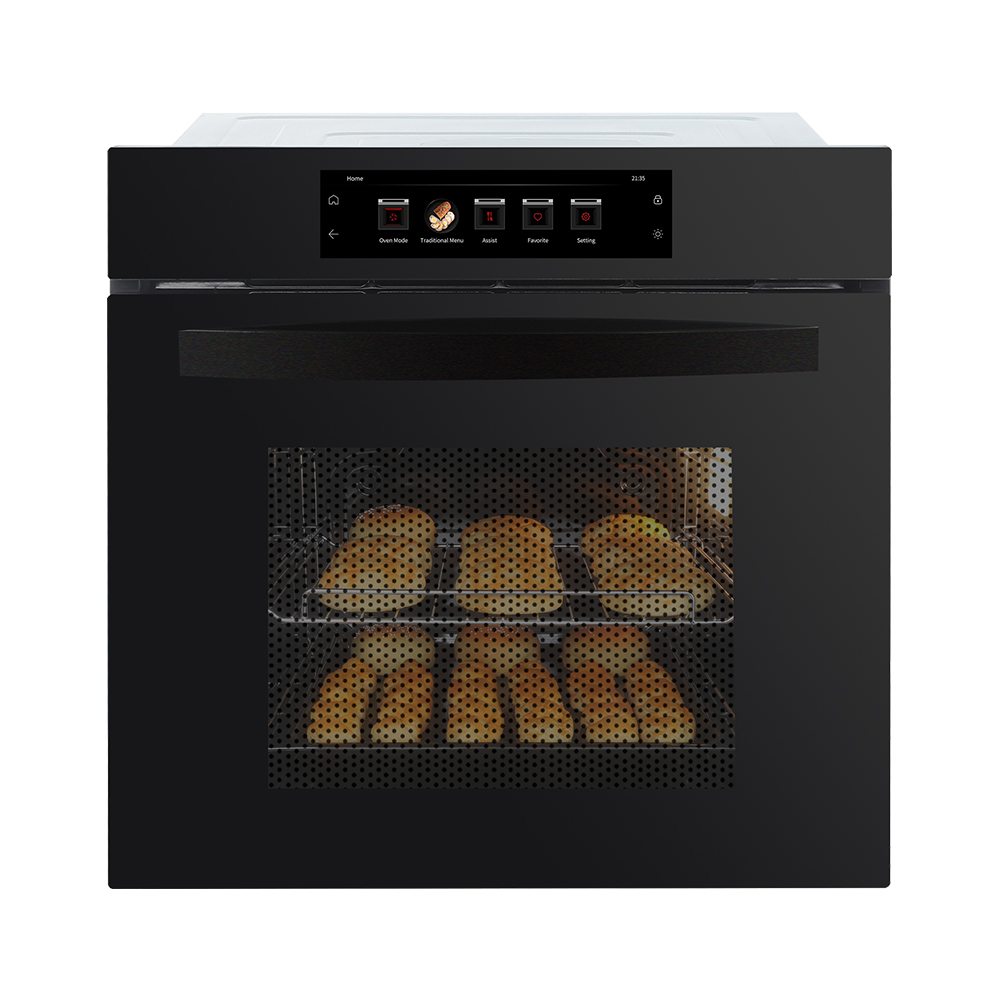
عربىThe Steam Wall Oven represents a significant innovation in modern kitchen appliances. Unlike traditional built-in ovens, which rely solely on dry heat, a steam wall oven combines conventional baking methods with the controlled introduction of steam. This hybrid approach allows for more precise cooking results, improved food texture, and greater versatility in preparing a variety of dishes.
Content
How a Steam Wall Oven Works
A Steam Wall Oven operates by generating steam within the oven chamber and blending it with standard dry heat. The steam comes from a dedicated water reservoir or direct water line, which the oven heats to create a controlled mist. This steam infusion ensures that food retains moisture during cooking, resulting in juicier meats, fluffier breads, and evenly cooked vegetables.
- Moisture retention: Steam prevents dishes from drying out, which is a common issue with conventional ovens.
- Even cooking: The combination of steam and heat distributes temperature more uniformly throughout the oven chamber.
- Enhanced flavor and texture: Steam helps maintain natural flavors and textures, particularly in baked goods and roasted meats.
Key Differences Between Steam Wall Ovens and Conventional Built-in Ovens
While traditional built-in ovens rely on dry air circulation, steam wall ovens introduce moisture to the cooking environment. Here are the main differences:
1. Cooking Method
Conventional ovens use dry heat to cook food, which can sometimes result in unevenly cooked dishes or moisture loss. In contrast, a Steam Wall Oven integrates steam with heat, which helps food cook more evenly while retaining its natural moisture.
2. Food Quality and Texture
Steam wall ovens excel at producing foods with improved texture. For instance:
- Breads and pastries come out softer and fluffier.
- Meats remain juicy and tender, reducing the risk of overcooking.
- Vegetables maintain their vibrant color and crispness.
3. Cooking Time
Steam can accelerate certain cooking processes by transferring heat more efficiently. Many users notice that recipes in a Steam Wall Oven may require slightly less cooking time compared to conventional ovens, particularly for baked goods and proteins.
4. Versatility
A steam wall oven is highly versatile. It can:
- Perform traditional baking and roasting.
- Steam vegetables, fish, and grains.
- Proof dough for bread and pastries.
- Reheat food without drying it out, making it ideal for leftovers.
Advantages of a Steam Wall Oven
Investing in a Steam Wall Oven brings several notable benefits to home cooks and professional chefs alike:
- Healthier Cooking: Steam cooking requires less oil and preserves vitamins and minerals in food.
- Enhanced Baking: Achieves bakery-quality bread and pastries with improved crust and crumb texture.
- Consistent Results: Reduces common cooking errors such as uneven browning or drying out.
- Time Efficiency: Steam can speed up cooking times for certain dishes.
- Eco-Friendly: Less energy is often required as steam transfers heat more efficiently than dry air alone.
Considerations Before Choosing a Steam Wall Oven
Despite its benefits, a steam wall oven also requires some consideration:
- Cost: Steam wall ovens are generally more expensive than traditional ovens.
- Maintenance: Regular cleaning of the water reservoir and steam generator is essential to prevent mineral buildup.
- Learning Curve: Cooking with steam may require slight adjustments to traditional recipes.
Steam Wall Oven vs. Traditional Built-in Oven: A Quick Comparison
| Feature | Steam Wall Oven | Conventional Built-in Oven |
|---|---|---|
| Cooking Method | Dry heat + steam | Dry heat only |
| Food Moisture | Retains natural moisture | May dry out food |
| Texture | Improved texture for bread, meats, and vegetables | Standard texture, risk of dryness |
| Versatility | Can steam, bake, roast, proof dough, reheat gently | Primarily baking and roasting |
| Cooking Time | Often shorter for certain dishes | Standard timing based on dry heat |
| Price | Higher | Lower |
Frequently Asked Questions (FAQs)
Q1: Can a Steam Wall Oven replace my conventional oven?
Yes, it can perform all the functions of a conventional oven while offering additional benefits like steaming and moisture retention. However, it is typically used in combination with other kitchen appliances depending on cooking needs.
Q2: Is special cookware required for a Steam Wall Oven?
Most conventional cookware can be used. However, heat-resistant glass, stainless steel, and oven-safe silicone are recommended for optimal results when steaming.
Q3: How do I maintain a Steam Wall Oven?
Regular cleaning of the water reservoir, steam generator, and oven cavity is important. Descaling may be necessary if using hard water to prevent mineral buildup.
Q4: Does using steam affect cooking time?
Yes, certain foods may cook faster due to the efficient heat transfer of steam. Recipes might require slight adjustments in time and temperature.
Q5: Is a Steam Wall Oven energy-efficient?
Generally, yes. Steam transfers heat more effectively than dry air, which can reduce overall cooking time and energy consumption.
The Steam Wall Oven represents a modern approach to cooking, combining traditional baking methods with the benefits of steam. Its ability to retain moisture, improve texture, and offer versatile cooking options makes it an attractive choice for both home kitchens and professional settings. While it comes with higher initial costs and some maintenance requirements, the enhanced food quality and cooking efficiency make it a worthwhile investment for culinary enthusiasts seeking superior results.