中文简体
中文简体 Español
 عربى
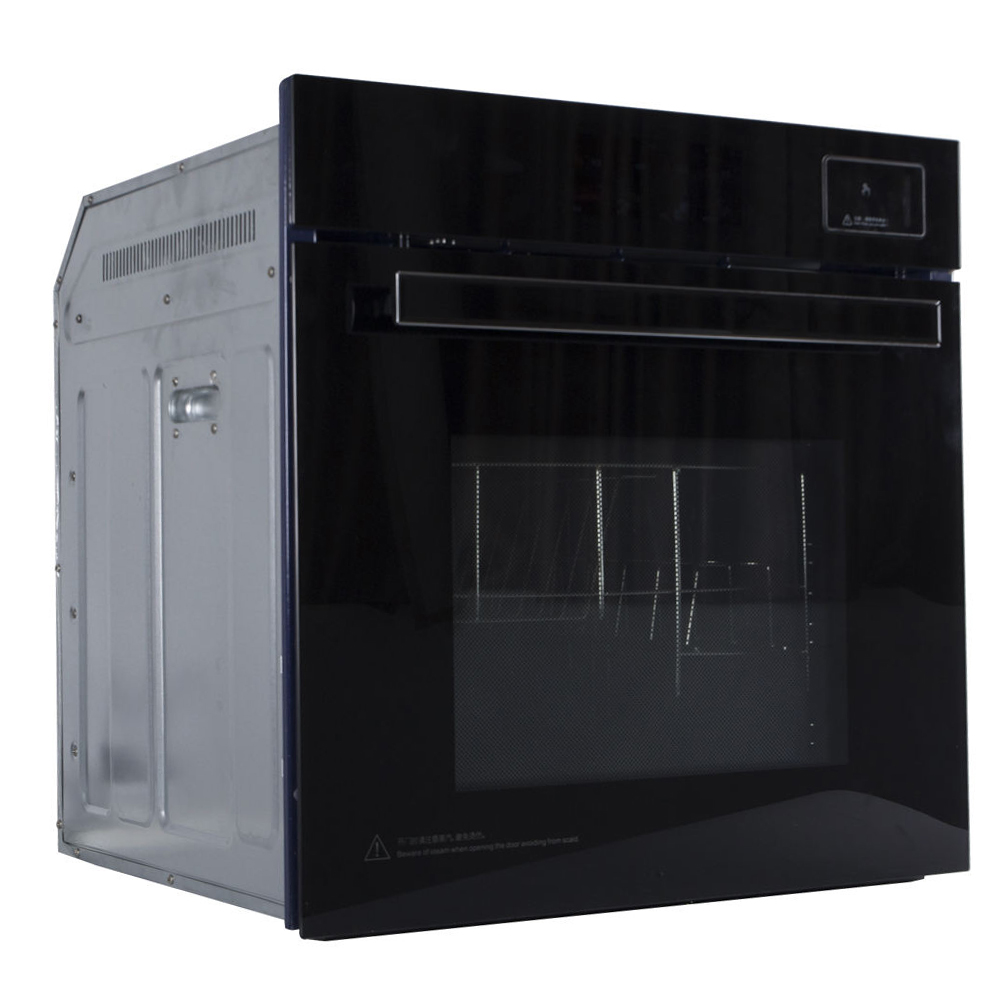
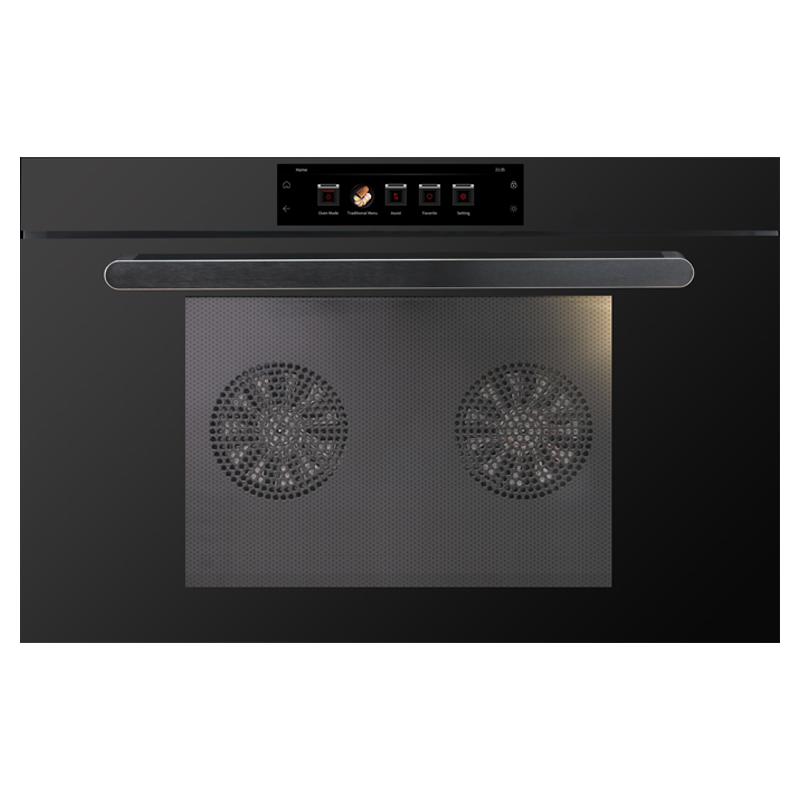
عربىSteam Wall Ovens are revolutionizing the way home bakers and professional chefs approach baking. Unlike traditional ovens that rely solely on dry heat, steam wall ovens combine convection heating with precise steam injection. This unique combination provides an optimal environment for baking, allowing breads to rise perfectly and desserts to achieve superior texture and flavor.
Modern steam wall ovens come with advanced features such as programmable settings, humidity control, and multi-stage baking programs. These innovations make it possible to achieve professional results in the home kitchen, from crusty artisan breads to delicate pastries.
Content
Benefits of Using a Steam Wall Oven for Baking
- Enhanced Moisture Retention: Steam keeps baked goods moist, preventing them from drying out during the cooking process.
- Crispy Crusts: For bread, steam helps create a glossy, crispy crust while maintaining a soft and fluffy interior.
- Even Cooking: The combination of steam and convection ensures uniform heat distribution, reducing the risk of uneven browning.
- Improved Flavor: By preserving moisture and controlling temperature, flavors develop more fully, especially in desserts like custards and cakes.
- Reduced Cooking Time: Steam can accelerate heat transfer, often shortening baking time without compromising quality.
Steam Wall Oven vs. Traditional Oven
1. Bread Baking Comparison
Traditional ovens often produce bread with a dry interior if not carefully timed and monitored. In contrast, a steam wall oven injects moisture during the initial stages of baking, allowing dough to expand fully before forming a crust. The result is a loaf with a crunchy exterior and soft, airy interior.
Key differences include:
- Crust Formation: Steam creates a thin, crisp crust, while traditional ovens may produce a thicker, harder crust.
- Volume: Bread baked in a steam wall oven often rises higher due to the moist environment that delays crust hardening.
- Consistency: Steam ovens maintain more stable baking conditions, reducing the likelihood of undercooked or overbaked centers.
2. Dessert Baking Comparison
When baking delicate desserts such as soufflés, custards, or cheesecakes, a traditional oven can sometimes cause cracking or drying due to uneven heat. Steam wall ovens introduce controlled humidity, which minimizes surface cracking and creates a smooth, tender finish.
Comparative advantages include:
- Texture: Cakes and custards maintain a moist and creamy texture without becoming soggy.
- Appearance: Steam wall ovens help desserts retain a uniform color and sheen.
- Flavor Preservation: Moist heat reduces the risk of flavor loss that can occur with dry heat baking.
Key Features of Modern Steam Wall Ovens
Understanding the essential features helps bakers select the right oven for their needs:
- Multi-Stage Programs: Automatically adjust steam levels and temperature for specific recipes.
- Humidity Control: Allows precise control of moisture, essential for bread crusts and delicate desserts.
- Convection Function: Ensures even heat distribution for uniform baking results.
- Self-Cleaning Options: Many models include steam-assisted cleaning for convenience.
- Recipe Memory: Some ovens store baking profiles for repeatable results.
Practical Tips for Baking with a Steam Wall Oven
- Preheat the oven according to recipe requirements, ensuring the steam function is activated at the correct stage.
- Adjust water levels carefully; too much steam can result in soggy crusts or over-moist desserts.
- Use oven-safe containers that can withstand high humidity, such as metal or tempered glass pans.
- Monitor baking times, as steam-assisted baking can sometimes shorten cooking duration.
- Experiment with combining steam and convection to find the perfect balance for different types of bread and pastries.
Common Applications
Steam wall ovens are versatile tools, suitable for both home kitchens and professional settings:
- Artisan breads, baguettes, and sourdough
- Cakes, muffins, and cupcakes
- Custards, flans, and cheesecakes
- Pastries such as croissants and Danish
- Reheating baked goods without drying them out
Steam Wall Oven vs. Combi-Ovens
While combi-ovens are widely used in commercial kitchens and can perform steam baking, steam wall ovens are designed specifically for home use. They combine the benefits of steam injection with compact wall-mounted designs, making them ideal for smaller kitchens without sacrificing baking quality.
Key differences include:
- Size: Steam wall ovens are compact, fitting into standard cabinetry.
- Ease of Use: Intuitive controls tailored for home bakers.
- Price: More affordable than commercial combi-ovens while still delivering professional-quality results.
Frequently Asked Questions (FAQs)
Yes, but cookies generally require minimal steam. Many ovens allow you to turn off or reduce the steam function for delicate items like cookies or macarons.
2. How does a steam wall oven affect baking time?
Steam can accelerate heat transfer, sometimes reducing baking time by 10–20%. Always monitor your first few batches to adjust for your oven’s specific performance.
3. Are steam wall ovens difficult to maintain?
Most modern models include self-cleaning or easy-to-clean components. Regular descaling and wiping the interior after use help maintain performance.
4. Do I need special pans or trays?
Standard metal, ceramic, or tempered glass pans work well. Avoid thin or warped pans that could warp under high humidity.
5. Can steam wall ovens replace traditional ovens completely?
While they excel in bread and dessert baking, steam wall ovens may not be ideal for roasting large meats or baking pizzas that require extremely high dry heat. Many home kitchens benefit from using both a steam oven and a traditional oven.
Conclusion
Steam wall ovens are transforming home baking by providing precise control over temperature and humidity. They outperform traditional ovens in bread and dessert baking, offering superior moisture retention, even cooking, and enhanced flavors. Whether for artisan bread, delicate custards, or layered pastries, a steam wall oven ensures professional-quality results at home. As technology advances, these ovens are becoming more accessible, making them an essential tool for anyone serious about baking.