中文简体
中文简体 Español
 عربى
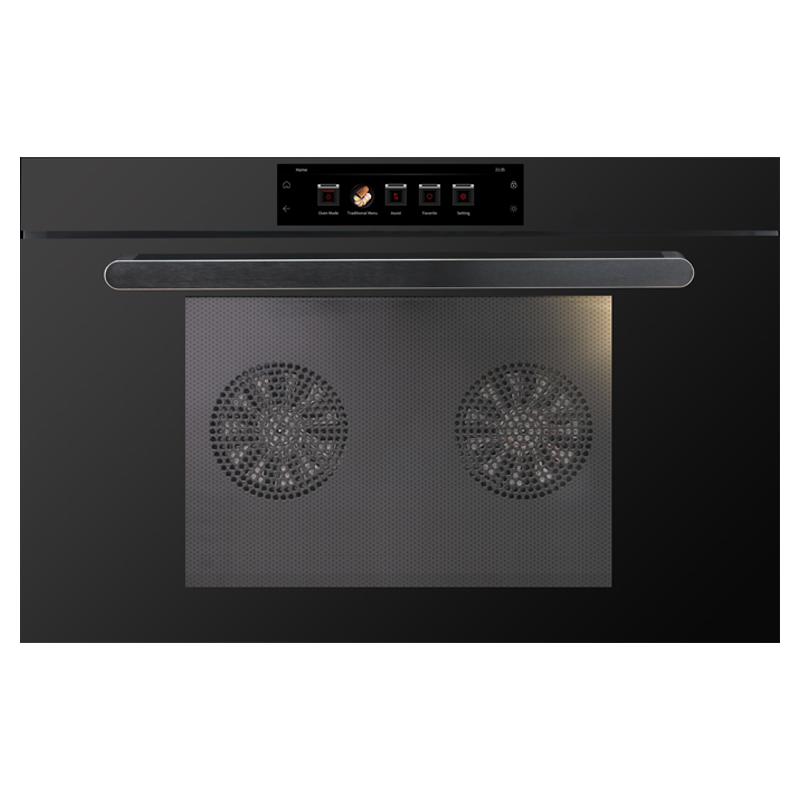
عربىAs modern kitchens continue to evolve, cooking appliances are no longer judged solely on appearance or basic functionality. Consumers now care deeply about food quality, nutrition, and consistency. Against this backdrop, the Steam Wall Oven has gained significant attention for its ability to preserve moisture, enhance texture, and deliver restaurant-quality results at home. By combining traditional dry heat with controlled steam, this innovative appliance changes how heat interacts with food, especially proteins, vegetables, and baked goods.
Content
- What Is a Steam Wall Oven?
- Why Moisture Retention Matters in Cooking
- How a Steam Wall Oven Preserves Food Moisture
- Steam Wall Oven vs Traditional Oven: Moisture Comparison
- Enhancing Tenderness Through Steam Cooking
- Baking Benefits: Moist Crumbs and Perfect Rise
- Steam Wall Oven vs Microwave Steam Cooking
- Health and Nutrition Advantages
- Reheating Without Drying Out
- Practical Use Cases Across Different Foods
- Frequently Asked Questions (FAQ)
- Why Steam Wall Ovens Are Becoming a Kitchen Standard
What Is a Steam Wall Oven?
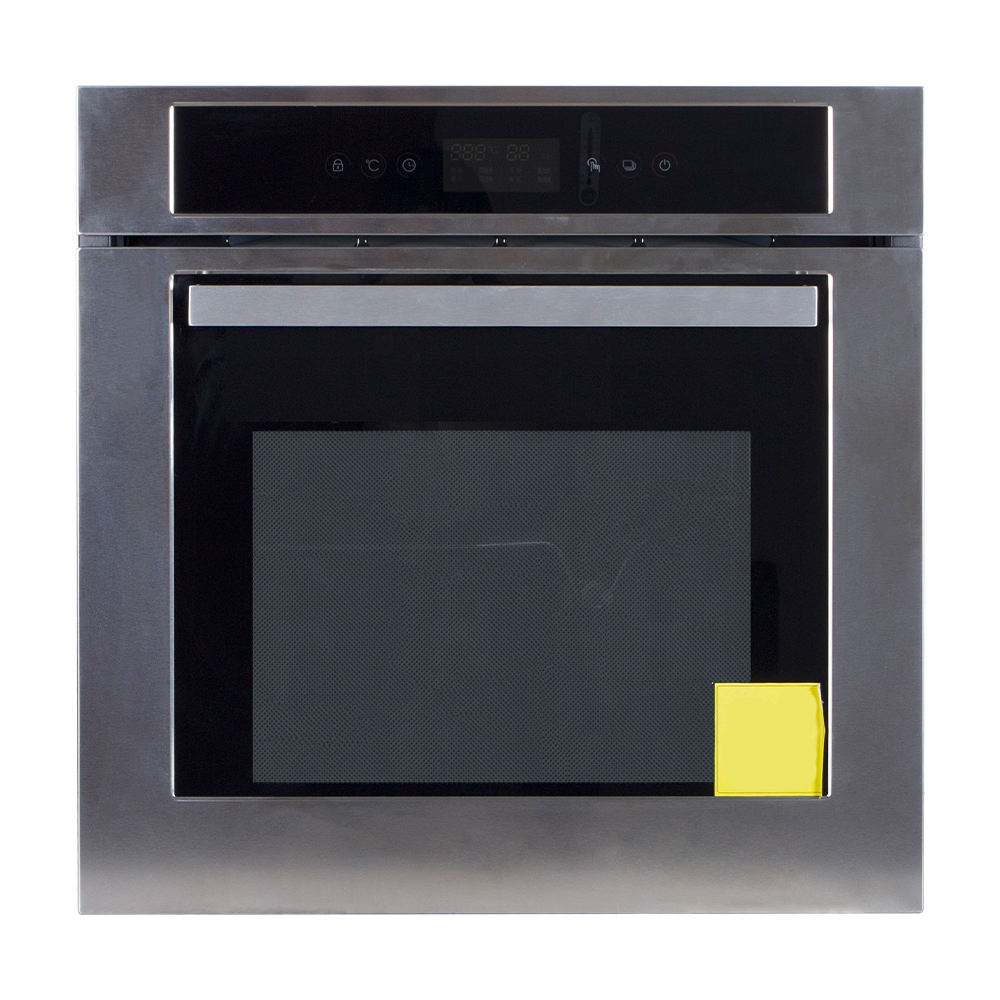
A Steam Wall Oven is a built-in cooking appliance that integrates steam injection into a conventional wall oven. Unlike countertop steamers or standalone steam ovens, it offers multiple cooking modes, including:
- Full steam mode for gentle cooking
- Combination steam + convection for roasting and baking
- Traditional dry heat for familiar recipes
Water is heated to produce steam, which is precisely released into the oven cavity. Sensors regulate temperature and humidity, ensuring consistent results across different cooking stages.
Why Moisture Retention Matters in Cooking
Moisture plays a critical role in food quality. When food loses too much internal water during cooking, it becomes dry, tough, and less flavorful. This is especially common with:
- Lean meats such as chicken breast or turkey
- Fish fillets
- Vegetables with high water content
- Bread and pastries
A Steam Wall Oven addresses this challenge by reducing evaporation and slowing down moisture loss, allowing food to cook evenly while remaining tender.
How a Steam Wall Oven Preserves Food Moisture
1. Steam Creates a Protective Cooking Environment
Steam saturates the oven cavity, creating a humid atmosphere. This environment prevents the surface of food from drying out too quickly. Instead of moisture escaping rapidly, it stays locked inside the food fibers.
In a traditional oven, dry hot air pulls moisture outward. In contrast, the Steam Wall Oven balances heat transfer and humidity, resulting in juicier outcomes.
2. Lower Cooking Temperatures with Better Heat Transfer
Steam transfers heat more efficiently than dry air. Because of this, foods can cook at slightly lower temperatures without extending cooking time. Lower temperatures reduce protein contraction, which is a major cause of dryness in meat.
- Meat fibers stay relaxed
- Natural juices remain inside
- Texture becomes softer and more uniform
3. Reduced Surface Crusting During Early Stages
In dry ovens, food surfaces can harden early, trapping heat outside while moisture escapes inside. Steam delays crust formation during initial cooking phases, allowing heat to penetrate evenly before browning begins.
Steam Wall Oven vs Traditional Oven: Moisture Comparison
| Feature | Steam Wall Oven | Traditional Oven |
|---|---|---|
| Humidity Control | Adjustable steam levels | No humidity control |
| Moisture Retention | Excellent | Limited |
| Cooking Temperature | Lower, more efficient | Higher to compensate |
| Food Texture | Tender, juicy | Often dry or uneven |
Enhancing Tenderness Through Steam Cooking
Protein Structure and Steam
Proteins such as beef, poultry, and seafood undergo structural changes when heated. Excessive dry heat tightens protein strands, forcing moisture out. Steam moderates this process.
With a Steam Wall Oven:
- Proteins coagulate gently
- Collagen breaks down more evenly
- Meat remains tender even after reheating
Vegetables Stay Vibrant and Crisp-Tender
Vegetables cooked in steam retain their cell structure better than those exposed to dry heat. This means:
- Brighter natural colors
- Less nutrient loss
- Improved mouthfeel
Broccoli, carrots, asparagus, and leafy greens benefit especially from steam-assisted cooking.
Baking Benefits: Moist Crumbs and Perfect Rise
Steam is not just for savory dishes. Bakers appreciate the Steam Wall Oven for its impact on dough and batter-based foods.
Bread and Pastries
Steam during the initial baking phase keeps dough surfaces elastic. This allows bread to expand fully before the crust sets.
- Better oven spring
- Crispy exterior with soft interior
- Professional bakery-style results
Cakes and Desserts
Moist heat helps cakes rise evenly while preventing dry edges. Custards and cheesecakes also benefit from gentle steam, reducing cracking and overbaking.
Steam Wall Oven vs Microwave Steam Cooking
| Aspect | Steam Wall Oven | Microwave with Steam |
|---|---|---|
| Heat Distribution | Even convection + steam | Uneven, localized heating |
| Texture Control | High precision | Limited |
| Browning Capability | Yes | No |
| Suitable for Baking | Excellent | Poor |
Health and Nutrition Advantages
By preserving moisture, a Steam Wall Oven also helps retain nutrients that are often lost through prolonged high-heat cooking.
- Water-soluble vitamins remain intact
- Less need for added oils or fats
- Natural flavors are enhanced
This makes steam-assisted cooking ideal for health-conscious households.
Reheating Without Drying Out
Leftovers are notoriously difficult to reheat without losing quality. Steam changes that.
Using a Steam Wall Oven for reheating:
- Restores moisture to previously cooked food
- Prevents rubbery textures
- Maintains original flavor profile
This is particularly valuable for rice dishes, pasta, roasted meats, and baked goods.
Practical Use Cases Across Different Foods
| Food Type | Steam Benefit | Result |
|---|---|---|
| Chicken Breast | Reduced moisture loss | Juicy, tender meat |
| Salmon | Gentle protein coagulation | Flaky, moist texture |
| Vegetables | Cell structure preservation | Crisp-tender bite |
| Bread | Elastic dough surface | Light crumb, crisp crust |
Frequently Asked Questions (FAQ)
Does steam make food soggy?
No. A Steam Wall Oven uses controlled humidity levels. When combined with convection heat, it enhances moisture without over-saturating food.
Can steam cooking replace traditional roasting?
Steam-assisted roasting often improves results by maintaining juiciness while still achieving browning.
Is a Steam Wall Oven difficult to maintain?
Most models feature automatic descaling and easy-clean interiors. Regular water reservoir cleaning is usually sufficient.
Does steam affect cooking time?
In many cases, cooking times are equal or slightly shorter due to efficient heat transfer.
Is it suitable for everyday cooking?
Yes. From reheating leftovers to baking and roasting, the Steam Wall Oven supports daily meal preparation.
Why Steam Wall Ovens Are Becoming a Kitchen Standard
The growing popularity of the Steam Wall Oven reflects a shift toward smarter, more precise cooking. By preserving moisture and tenderness, it elevates food quality across a wide range of recipes.
Whether improving weeknight dinners or supporting advanced culinary techniques, steam-assisted technology offers consistency, health benefits, and superior texture. As consumer awareness grows, steam wall ovens are likely to move from luxury appliance to essential kitchen equipment.
For anyone seeking better moisture retention, enhanced tenderness, and reliable results, the Steam Wall Oven stands out as a powerful solution.