中文简体
中文简体 Español
 عربى
عربىA dual fuel gas range is a single cooking appliance that combines a gas cooktop with an electric oven. It gives you the instant flame control of gas burners on top and the steady, dry heat of an electric oven below, all in one freestanding, slide-in, or pro-style unit. The trade-off is real: these models cost more, require both a gas supply and a dedicated 240-volt circuit, and take more planning to install. For home cooks who sear and stir-fry on the stovetop but also bake cakes, roast vegetables, and broil meat in the oven, a dual fuel gas range is usually the most balanced choice a household kitchen can make.
Content
- How a Dual Fuel Gas Range Works
- Dual Fuel vs. All-Gas Range: Key Differences
- How the Two Heating Systems Change Your Cooking
- What to Look for in a Dual Fuel Range
- Installation, Fuel, and Cost Considerations
- Who Should Buy a Dual Fuel Gas Range?
- Safety and Maintenance Notes
- Dual Fuel Gas Range FAQ
- Final Takeaway
How a Dual Fuel Gas Range Works
A dual fuel range runs on two separate energy sources at the same time: gas feeds the top burners, and electricity powers the oven and its control system. The two systems are independent, so you can boil a large pot of water on the front burner while the oven preheats at the same time, without either system stealing heat from the other.
On the cooktop, gas flows through regulator valves and ignites with a spark, giving you a visible flame and continuous adjustment from high to low. Inside the oven cavity, electric heating elements warm the air directly, and most dual fuel models add a convection fan to circulate that air. Because the oven does not burn gas inside the cavity, the air stays drier and the temperature remains more stable from rack to rack than in most all-gas ovens.
Dual Fuel vs. All-Gas Range: Key Differences
The practical differences are about the oven, not the cooktop: all-gas and dual fuel ranges use the same burners on top, but the oven heat, broiler strength, power requirements, and cost are different.
| Feature | All-Gas Range | Dual Fuel Range |
|---|---|---|
| Cooktop heat | Gas flame | Gas flame, identical control |
| Oven heat source | Gas burner under the floor | Electric elements at top and bottom |
| Oven moisture | Higher humidity, good for some breads | Drier air, more predictable for pastry and cakes |
| Broiler | Gas flame above the food | Electric element, hotter and faster |
| Power supply | Gas line only | Gas line plus dedicated 240V circuit |
| Upfront cost | Lower | Roughly 15 to 30 percent higher |
| Best for | Simple everyday cooking, tighter budgets | Bakers and cooks who want pro-style oven performance |
That 15 to 30 percent premium is the main barrier for most buyers. You are paying for a second heating system, a more complex control board, and a larger service footprint, so both purchase price and long-term repair cost go up. In return, you get oven behavior that many cooks consider noticeably better for baking and broiling.
How the Two Heating Systems Change Your Cooking
Stated plainly: gas wins on the stovetop, electricity wins in the oven, and a dual fuel range lets you keep both advantages in one appliance.
Responsive stovetop control
Gas burners react instantly. Turn the knob down and the flame drops in under a second, which lets you move from a rolling boil to a gentle simmer without waiting for an element to cool. That immediacy matters when you cook delicate sauces, sear meat, or prepare wok dishes, and it is the reason professional kitchens still favor gas.
Even, dry oven heat
Electric elements heat the cavity evenly, and a convection fan moves that heat around, so cakes rise straighter, cookies brown at the same rate, and hot spots are rare. The drier air also crisps the skin on roast chicken and supports flaky pastry. Commercial-style examples, such as a six-burner dual fuel gas range with convection oven, bring this same heat into a home kitchen without constant attention.
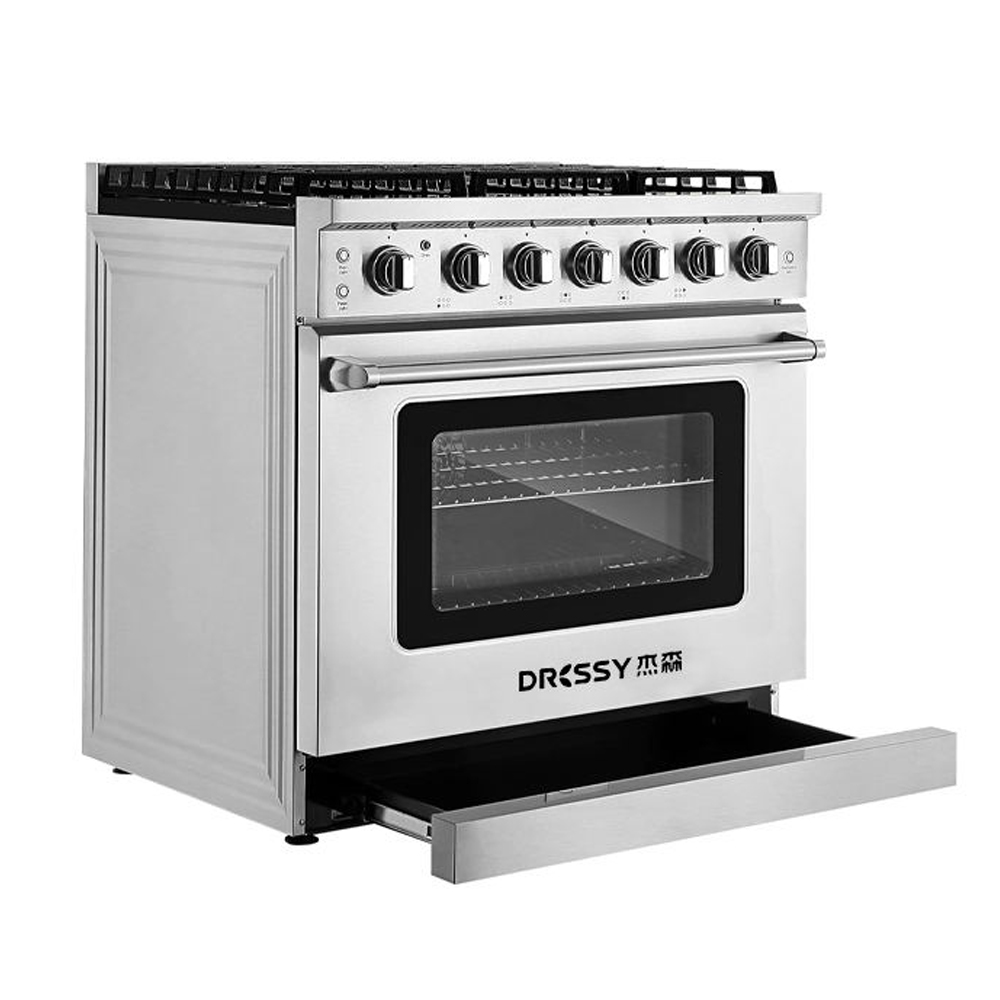
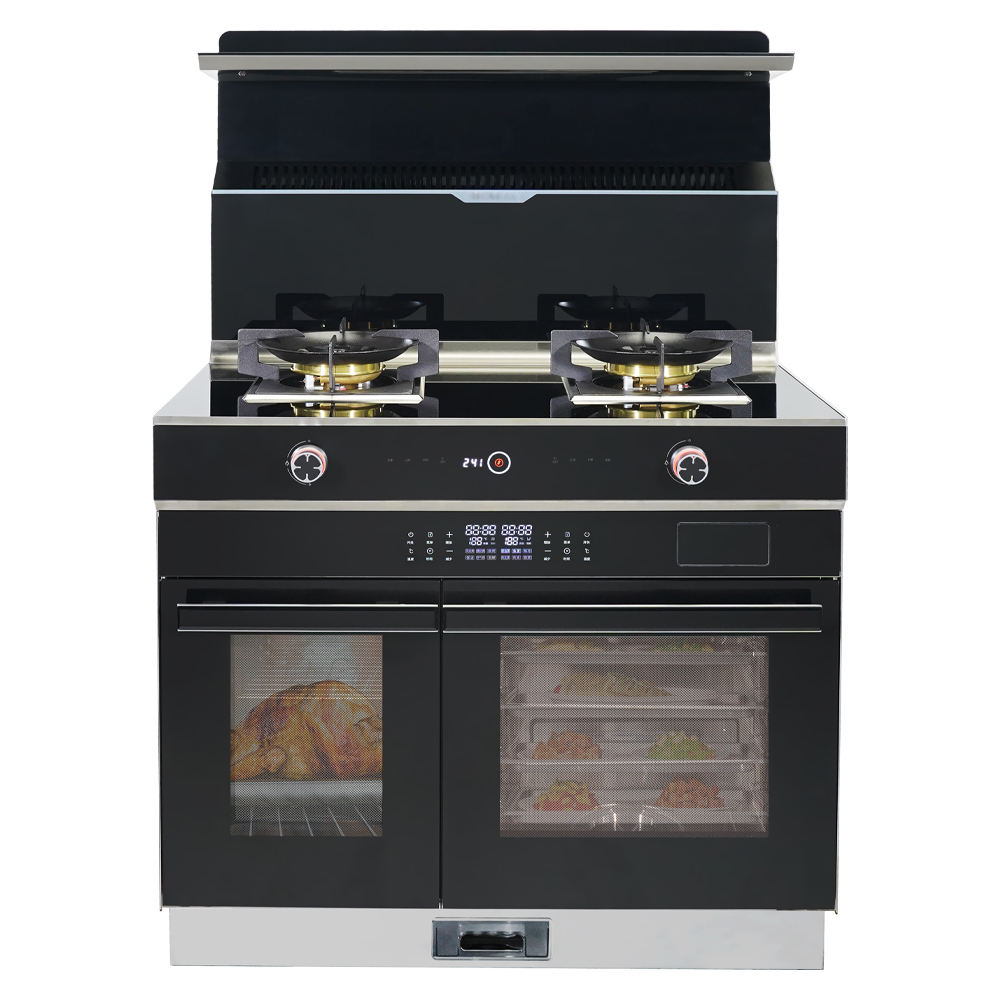
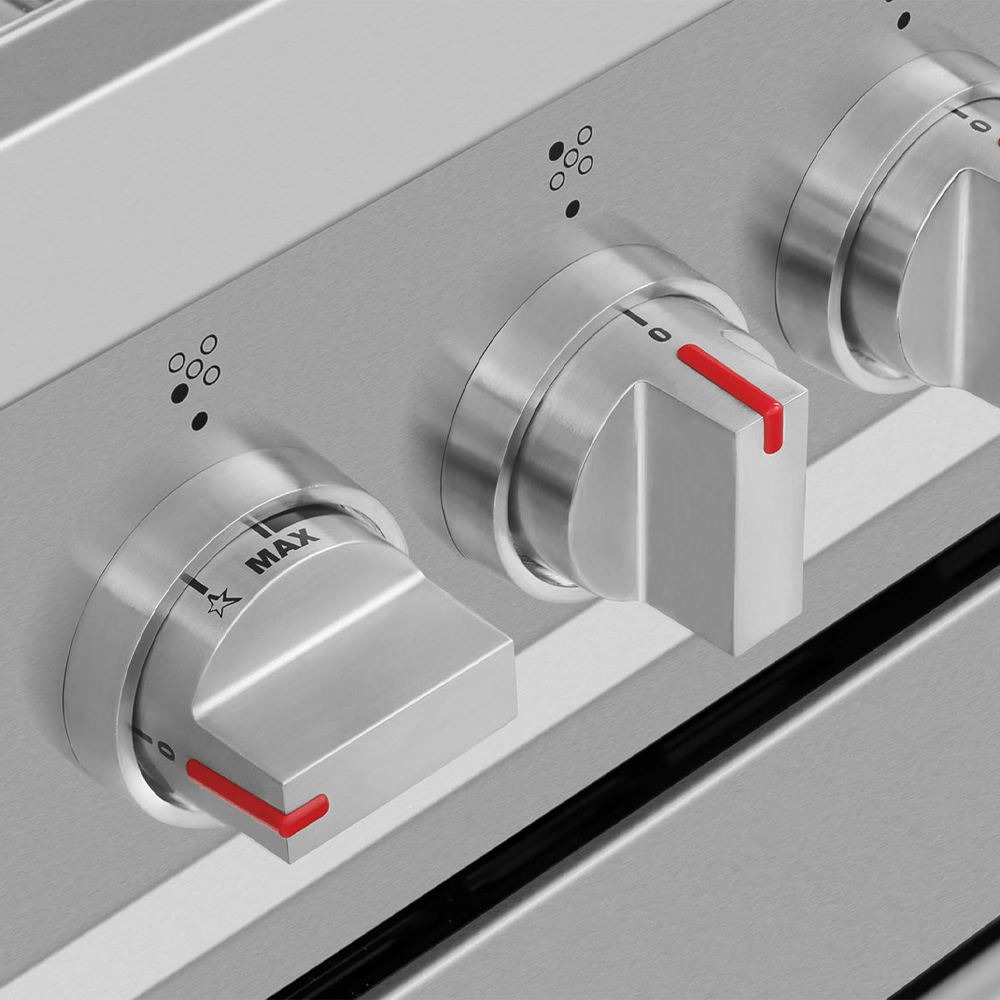 Wholesale Kitchen Use Cooking Gas Range with Oven 6 Burner Gas Range ManufactureShengZhou GeXiang Electric is China Kitchen Use Cooking Gas Range with Oven 6 Burner Gas Range manufacturers and OEM & ODM factory,Kitche...View Product →
Stronger broiling and roasting
Electric broilers run hotter and hold temperature more consistently than gas broilers, so steaks form a crust faster and chicken skin crisps instead of steaming. For long roasts, the electric oven cycles less, which means fewer temperature swings over a two-hour cook and more predictable results.
What to Look for in a Dual Fuel Range
Focus your spec check on the oven first, because that is where dual fuel differs most from an all-gas model.
- Convection fan: A true convection setting with a separate fan circulates heat more evenly than a static cavity.
- Oven capacity: 5 to 6.5 cubic feet is typical; bigger cavities suit holiday roasts and multiple pans at once.
- Burner output: Look for at least one high-output burner rated 17,000 to 21,000 BTU for searing and wok work.
- Broiler position: A dedicated upper electric broiler with its own mode delivers the fast top-down heat that defines the dual fuel advantage.
- Safety features: Automatic self-clean lock and flame failure shutoff on the burners are worth a small premium.
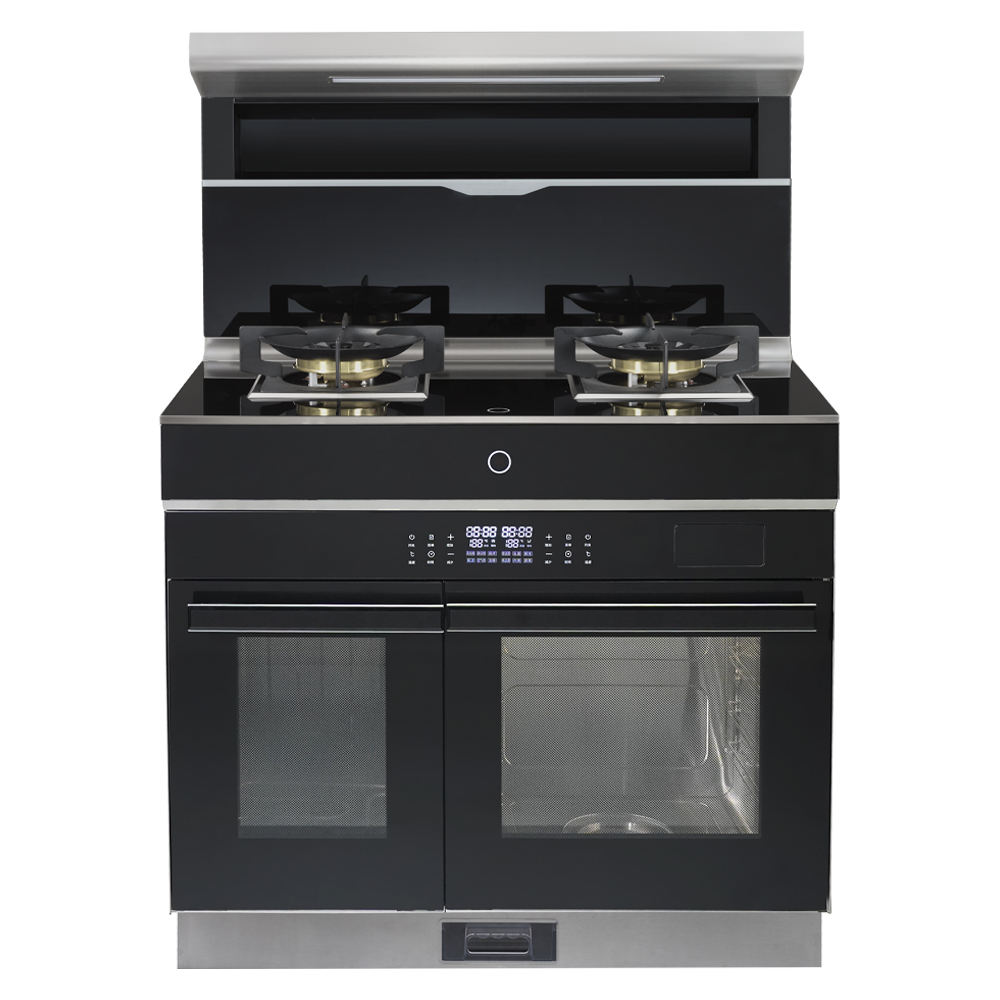
Gas and dual fuel models come in freestanding, slide-in, and pro-style designs, and the choice mostly affects fit and appearance. Measure your cutout width, depth, and side panel clearance before ordering, and confirm whether the range needs an anti-tip bracket for your floor type. If your household bakes cakes weekly, a stainless steel dual fuel range with a cake oven gives you a dedicated cavity that suits layer cakes and pastries without overloading the main oven.
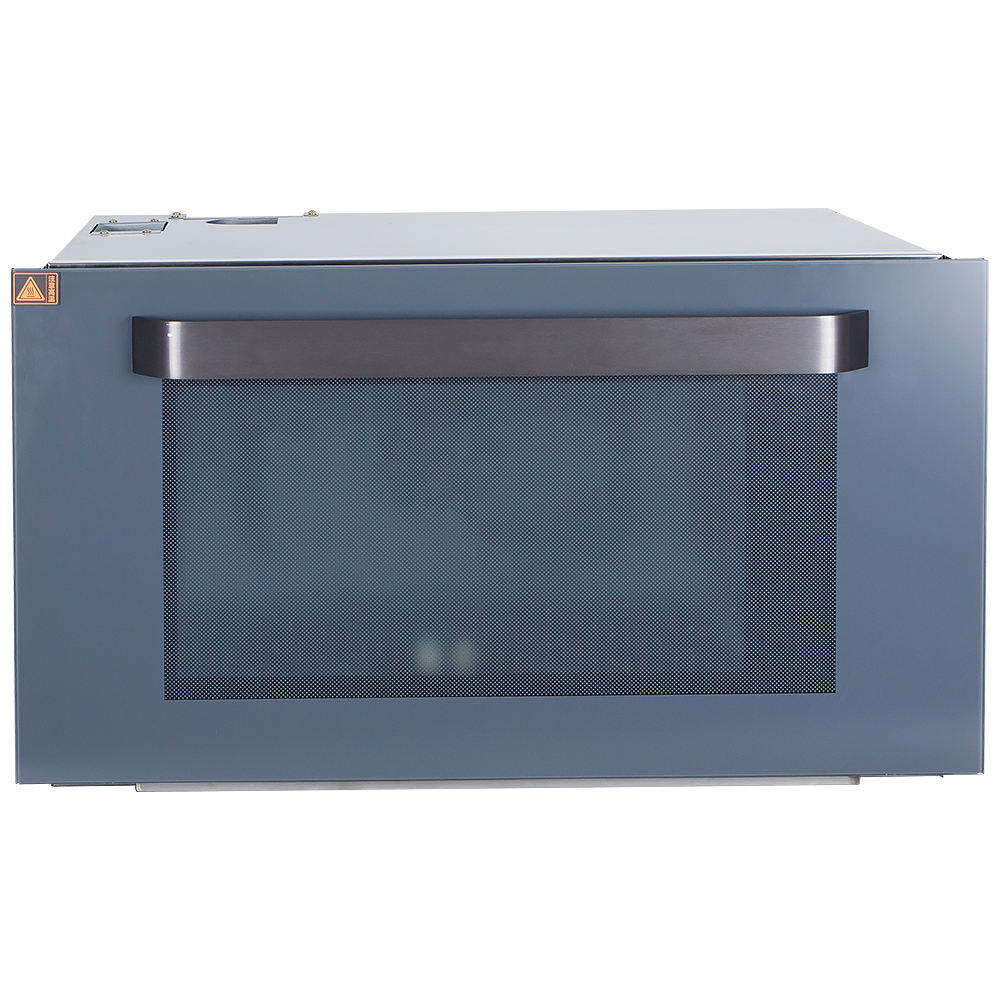
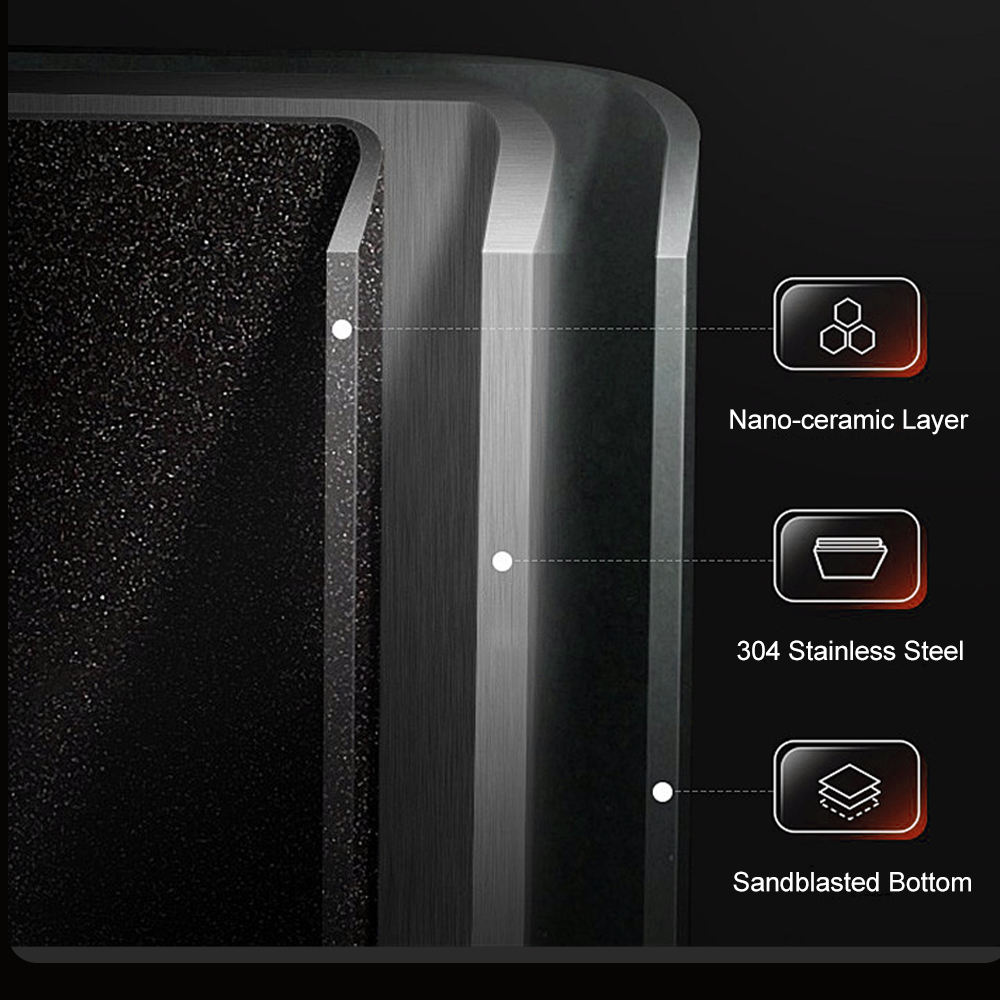 Wholesale Household Stainless Steel Cake Oven Gas Stove Manufacturer, Factory - ShengZhou GeXiang Electric is China Household Stainless Steel Cake Oven Gas Stove manufacturers and OEM & ODM factory,Household Stainless...View Product →
Installation, Fuel, and Cost Considerations
A dual fuel range needs a gas supply plus a dedicated 240-volt, 40-amp electrical circuit, so planning the hookup is the first practical step before you order.
Homes that already have an electric range, wall oven, or dryer often have a suitable circuit close to the kitchen. Older homes with only gas appliances may need an electrician to run new wiring, which can add several hundred dollars to the project. On the gas side, a licensed plumber should connect natural gas or install an LP conversion kit if you use propane tanks. Local codes vary, so confirm clearances, flexible connector length, and venting requirements with the manufacturer and a local inspector.
The installed cost of a dual fuel range typically lands 15 to 30 percent above an equivalent all-gas model in the same 30-inch or 36-inch width. Running costs depend on local utility prices; the relationship between gas and electricity affects monthly bills, and a closer look at how the energy efficiency of a gas range compares to that of an electric range explains the trade-off. Repairs also cost more because a technician must service two separate systems, so check the warranty length and whether service is available in your area.
Who Should Buy a Dual Fuel Gas Range?
Buy a dual fuel range if you regularly control heat with gas on the cooktop and still bake or roast often, and if a 240V circuit is available or can be added.
Ideal candidates include:
- Home bakers who make cakes, pastries, or bread and want an oven temperature that does not wander.
- Cookware-focused cooks who need instant flame response for searing, stir-frying, and delicate simmering.
- Households that already have a 240V outlet, keeping installation cost close to that of a standard gas range.
- Anyone doing a full kitchen remodel and planning to keep the range for 10 to 15 years, since the premium spreads out over a long service life.
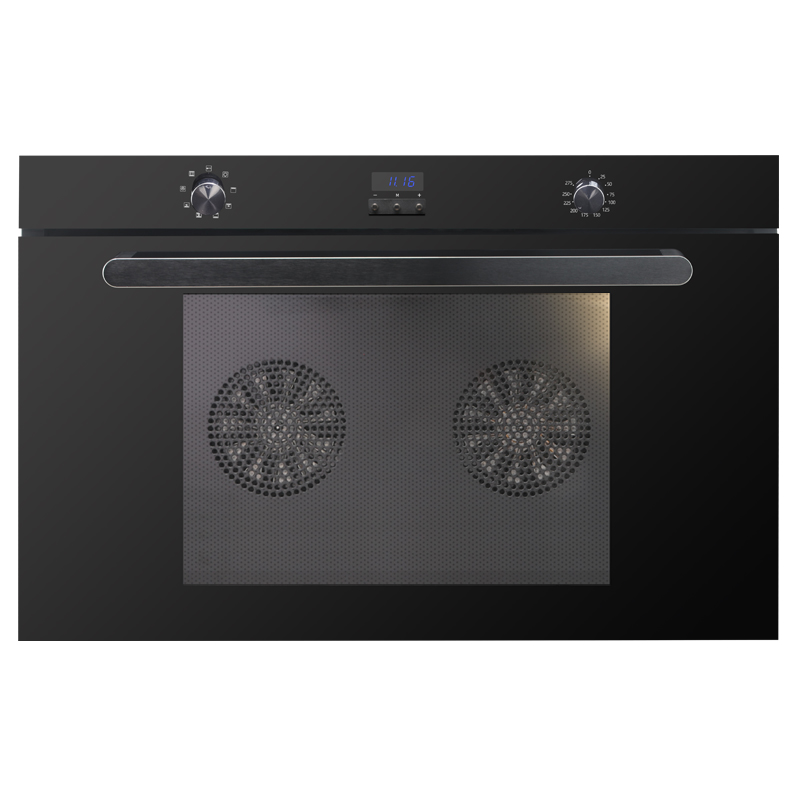
An all-gas range is usually the better call if you cook mostly simple meals, have no practical way to add a 240V circuit, or are working with a strict budget. If floor space is tight, compact options such as a four-burner dual fuel gas range with pizza oven still deliver the same dual fuel behavior in a smaller footprint.
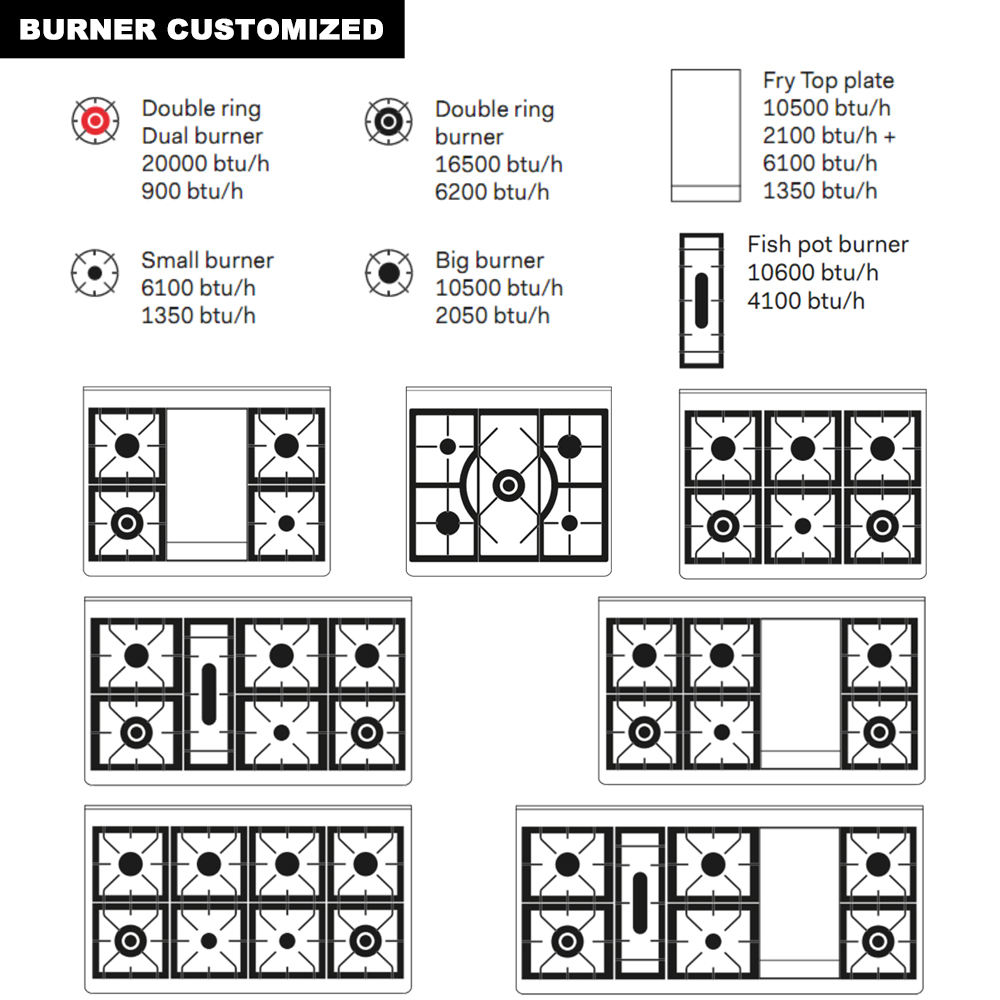 Wholesale Household Cooking Stainless Steel Convection Pizza Oven 4 Gas Range MaShengZhou GeXiang Electric is China Household Cooking Stainless Steel Convection Pizza Oven 4 Gas Range manufacturers and OEM & ODM facto...View Product →
Safety and Maintenance Notes
Two fuel systems mean two safety checklists, but the routine work is straightforward for most homeowners.
On the gas side, check the burner flames for a clean, consistent blue color, keep the burner caps and ports clear of debris, and learn how to identify the risk of gas leakage by smell before a problem becomes urgent. An occasional soap-and-water bubble test on the connections catches small leaks early, and flame failure shutoff prevents gas flow if a burner goes out.
On the electric side, remember that oven elements stay hot for a while after the oven is off, so keep pot holders, towels, and children away from the door and vents. Wipe spills once the cavity is cool, using non-abrasive pads to protect the enamel surface.
Dual Fuel Gas Range FAQ
Short answers to the questions buyers ask most often before making the switch.
Is a dual fuel range worth the extra cost?
Yes, for bakers and serious cooks who already rely on gas for stovetop control. The premium buys an electric oven that bakes more evenly and broils harder. If you rarely use the oven, the extra cost is harder to justify.
Can a dual fuel range run on propane?
Yes. Most dual fuel ranges include an LP conversion kit or accept one, and a licensed technician converts the burner orifices from natural gas to propane. The electric oven side needs no modification because it has no gas connection.
Does a dual fuel range need a 240V outlet?
Yes. The electric oven and broiler draw enough current that national and local codes require a dedicated 240-volt, 40-amp circuit in most regions. Plugging the range into a 120V outlet is neither safe nor code-compliant.
Are dual fuel ranges harder to repair?
Generally yes, because they combine a gas supply train with an electric control system. Repair costs run higher than on a simple all-gas range, so factor in the warranty length and your local service options before buying.
Which is better for baking, gas or electric oven?
Electric ovens are better for most baking because they produce drier, more even heat, which gives straighter cake layers and more consistent cookies. Gas ovens add humidity that benefits some artisan breads but is harder to control for pastries.
Final Takeaway
A dual fuel gas range combines the best of both heat sources in one appliance: responsive gas flames for the cooktop and an even, dry electric oven below. It costs more to buy, install, and repair, so it makes sense only if you genuinely use both halves of the range. For cooks who fit that profile, it is one of the most practical long-term kitchen upgrades you can make.