中文简体
中文简体 Español
 عربى
عربىA steam wall oven is a built-in cooking appliance that combines convection heat with an integrated steam generator, letting you cook with dry heat, pure steam, or a combination of both. It has become one of the fastest-growing categories in modern kitchen renovation because it produces visibly better bread, juicier meats, and healthier everyday meals than a conventional wall oven while using the same cabinet footprint.
This guide explains what a steam wall oven does, why it has become so popular, and the specific factors you should check before buying one.
Content
What Is a Steam Wall Oven?
A steam wall oven is a convection oven with a steam injection system built directly into the cooking cavity. It mounts flush inside kitchen cabinetry and uses water vapor to control humidity and speed up heat transfer, so food can brown and crisp on the outside while remaining moist inside.
Its four core components work together during every cooking cycle:
- A steam generator converts water from an internal reservoir or a connected supply line into vapor within seconds.
- A convection fan circulates the mixture of hot air and steam evenly around the food.
- Temperature and humidity sensors continuously monitor the cavity and adjust the heating output.
- The control system allows you to select pure steam, pure convection, or a programmed combination of both.
With these modes, a steam wall oven handles everything from delicate fish and vegetables to crusty bread and large roasts.
The type of steam wall oven you choose matters. Steam-only models focus on gentle, moist cooking, while combination models add convection and can fully replace your existing oven. For most modern kitchens, a combi steam wall oven is the more practical choice because it does not force you to give up traditional roasting and baking.
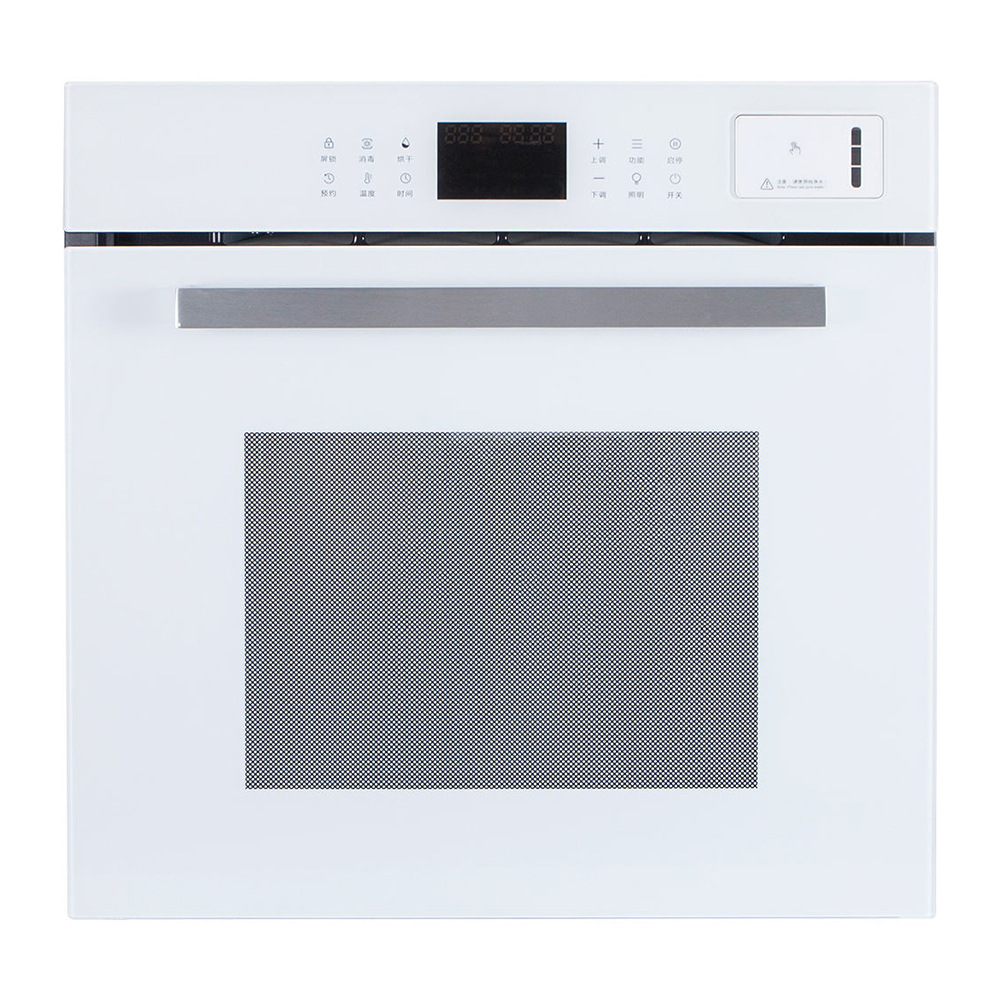
 Built-in Steam Baking Oven with Intelligent ControlsThis combi-style built-in oven pairs traditional baking with steam injection, ideal for crispy crusts and moist interiors. Its smart panel and easy-clean parts suit households seeking flexible, healthier cooking.View Product →
Why Steam Wall Ovens Are Popular in Modern Homes
Steam wall ovens are popular for three reasons: they make food taste better, they support healthier cooking habits, and they simplify the kitchen workspace.
Here is what drives the demand in real homes:
- Healthier cooking with less oil. Steam transfers heat through moisture, so you can reduce or eliminate added oil. Water-soluble vitamins are also better retained than in dry-heat methods.
- Crisp crusts and soft interiors. Steam injection during the early stage of baking helps bread develop a glossy, crackled crust while keeping the crumb moist and tender.
- Meats that do not shrink or dry out. In combination mode, a thin layer of steam limits surface evaporation, so roasts and poultry stay succulent and lose less weight.
- Fewer countertop appliances. A steam wall oven can steam, bake, reheat, proof dough, and in some models cook pizza, reducing the need for a separate microwave, toaster, or countertop steamer.
Kitchen designers also favor steam wall ovens because the appliance hides behind a clean, cabinet-integrated front. Unlike countertop steamers or freestanding ovens, a built-in unit keeps the counter clear and delivers the seamless look that homeowners ask for during remodeling.
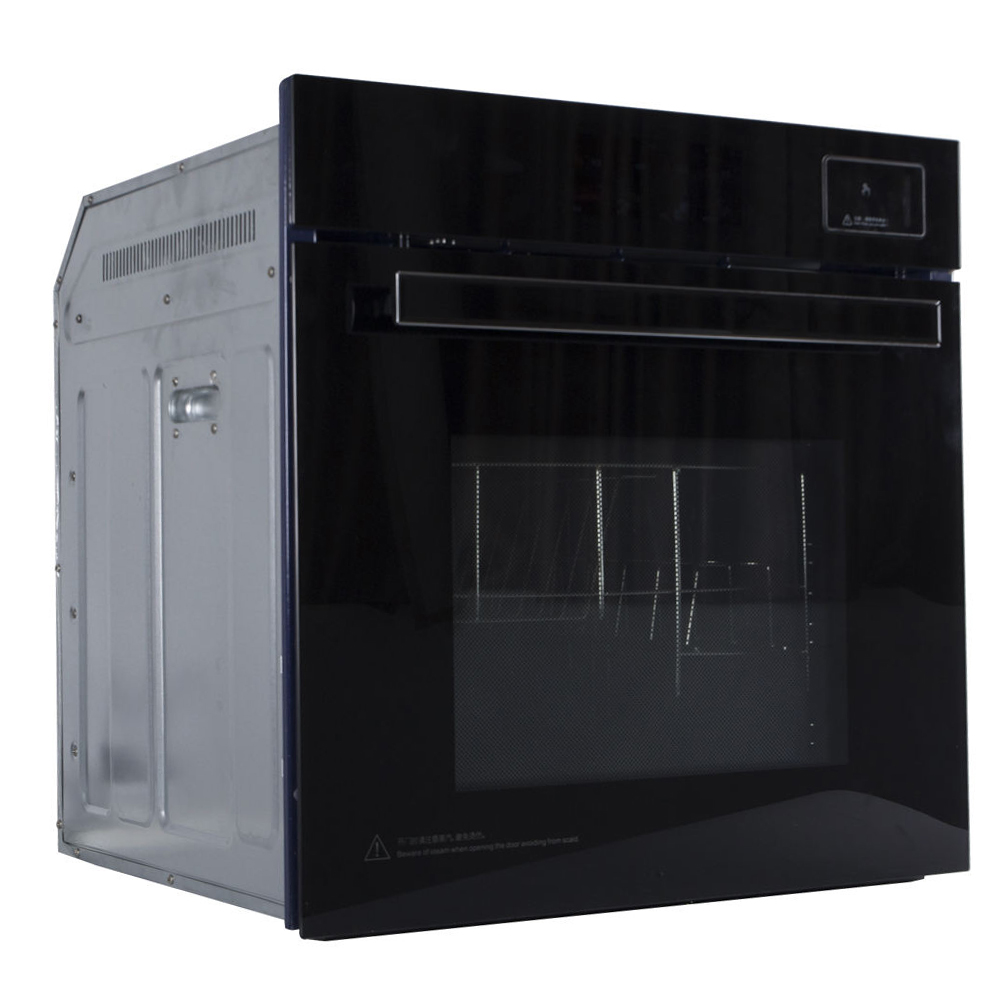
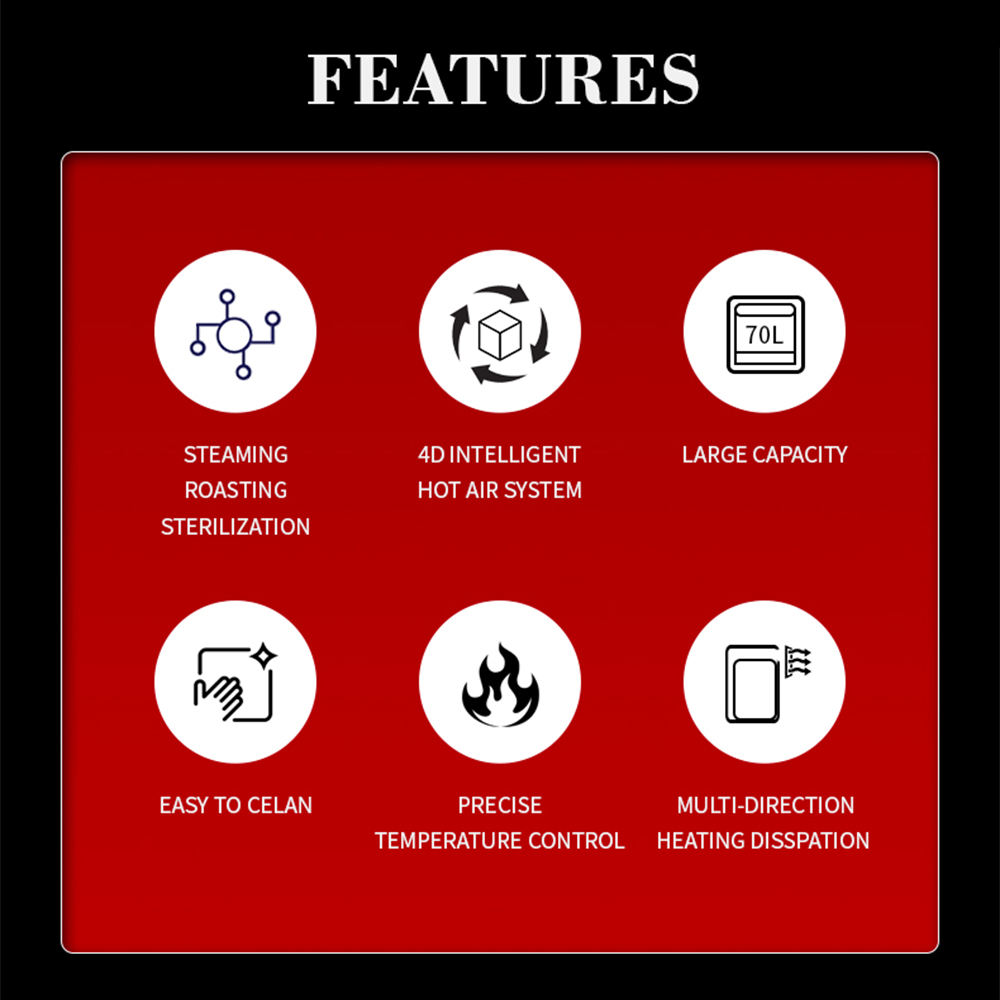
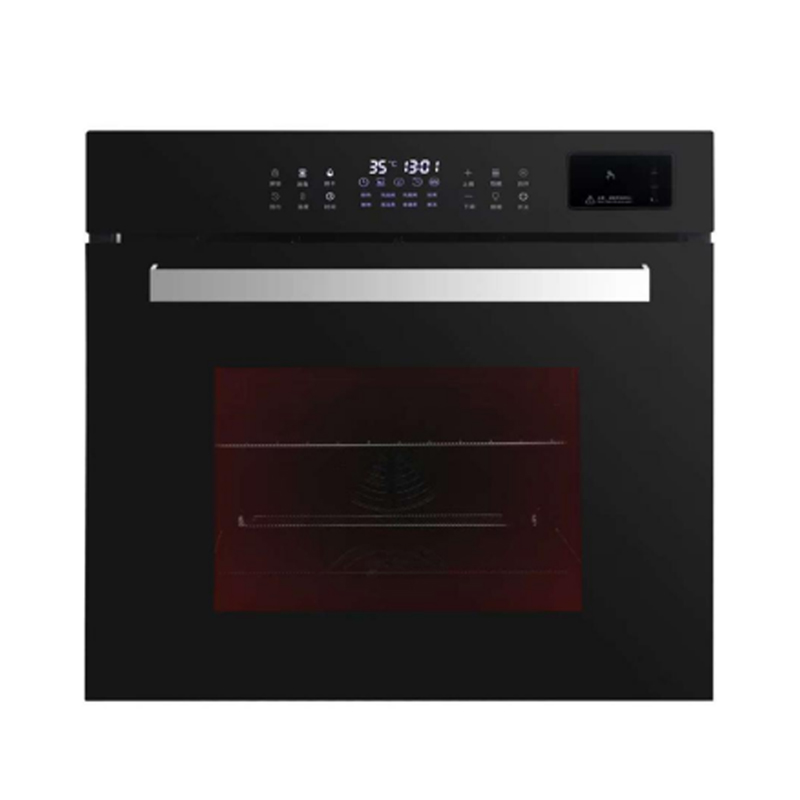 ZK80A Touch Button Steam Wall Oven, 70L CapacityWith 70 liters, 3100W power, and eight heating modes including steam and convection, this touch-controlled unit offers precise moisture management for remodeled kitchens wanting a sleek, built-in cooking solution.View Product →
Steam Wall Oven vs. Conventional Wall Oven
Compared with a conventional electric wall oven, a steam wall oven adds moisture control and cooking flexibility, but it costs more and demands more regular maintenance.
| Feature | Steam Wall Oven | Conventional Wall Oven |
|---|---|---|
| Moisture control | Active steam injection with adjustable humidity | None; limited to adding a water pan |
| Bread and pastries | Crisp crust, soft crumb, even oven spring | Drier surface, less consistent crust |
| Meat cooking | Juicy with less shrinkage | Can dry out if timing is not precise |
| Nutrient retention | High in steam mode | Moderate |
| Reheating leftovers | Moist and uniform | Frequent drying at the edges |
| Energy use | Slightly higher due to steam generation | Lower in short cooking cycles |
| Maintenance | Tank refilling and descaling | Standard cavity cleaning |
| Purchase price | Higher | Lower |
The practical difference shows up most clearly with bread. In a conventional oven, the crust forms quickly and often cracks; in a steam oven, the crust develops slowly and evenly, producing the crackled surface and open crumb you see in artisan bakeries. Pastry also benefits because steam protects the butter layers and creates more consistent puff pastry and croissants.
If you are comparing results across oven types, read our guide on whether an electric wall oven is a good choice for baking to see how conventional dry-heat models perform in daily cooking.
What to Consider Before Buying a Steam Wall Oven
Choose a steam wall oven based on four criteria: capacity, water system, cooking modes, and installation requirements.
Capacity and Dimensions
Measure your cabinet cutout first. Steam wall ovens are usually sold in 24-inch and 30-inch widths, with usable cavity volumes from about 30 to 80 liters. A 30-liter unit suits a couple or small family; 50 liters or more is better for households that bake tarts or roast whole chickens regularly.
Water System: Tank or Plumbed
Tank models hold a removable reservoir, so they install just like a standard oven and can go wherever there is a power supply. Plumbed models connect directly to the home water supply and never need refilling, but they require a technician and are best planned during new construction or a full remodel.
Cooking Modes and Controls
Decide between a steam-only oven and a combination model with convection. Combi models are more flexible because they also work as a regular oven. Look for preset programs, a meat probe, and multi-stage cooking; these features remove guesswork and make the oven easier to use daily.
Installation and Ventilation
A steam oven produces moisture inside the cavity, so the surrounding cabinetry needs proper clearance and ventilation. Confirm the voltage rating, cutout dimensions, and water connection position before ordering. For detailed planning advice, see our article on how to integrate a built-in electric wall oven with your cabinets.
How to Use a Steam Wall Oven in Everyday Cooking
Most households get the most value from a steam wall oven in four daily scenarios:
- Bread and biscuits: run steam for the first 5–10 minutes, then switch to convection for a crackled crust.
- Roasts and poultry: use combination mode at 160°C to 180°C to keep meat juicy while developing a golden-brown exterior.
- Vegetables and fish: cook in pure steam at 80°C to 100°C to preserve vitamins, color, and a naturally tender bite.
- Leftovers and meal prep: reheat rice, pasta, or pizza with steam so they return to a freshly cooked texture.
 Built-in Steam Biscuit Baking Oven with Multiple ModesDesigned for pizza, bread, and biscuits, this steam-assisted built-in oven promotes dough expansion and glossy crusts. Safety features like child lock and easy-clean materials make it practical for daily baking.View Product →
Potential Drawbacks to Keep in Mind
Despite the benefits, steam wall ovens have real limitations worth including in your decision.
- Higher purchase price: a steam model typically costs 30% to 50% more than a comparable conventional wall oven.
- Regular maintenance: the tank needs refilling, and descaling is recommended every one to three months depending on water hardness.
- Learning curve: matching the right mode to each dish takes a few weeks of trial and error.
- Smaller cavity: because of the water system, some steam ovens have a shorter interior height than conventional models of the same width.
Frequently Asked Questions
Can a steam wall oven replace a microwave?
It can handle most reheating and defrosting tasks, but it is slower than a microwave for boiling liquids or reheating very dense items. Many owners keep a small microwave alongside a steam wall oven for convenience.
Does a steam wall oven need a water line?
No. Tank models do not need any water connection; plumbed models need a cold-water supply and drain. If you are retrofitting, choose a tank model. If you are building from scratch, plumbed models offer continuous, hands-off operation.
How often should a steam wall oven be descaled?
Usually every one to three months, depending on how often you use the steam function and how hard your water is. Using filtered or demineralized water reduces scale buildup significantly.
Is a steam wall oven worth the extra cost?
It is worth it for households that bake bread, cook health-focused meals, or reheat leftovers regularly. If you only use an oven occasionally, a conventional wall oven is a more economical choice.
Final Thoughts
A steam wall oven earns its place in a modern kitchen by making everyday food taste better while keeping the cooking process cleaner and more efficient. It costs more and needs more attention than a conventional oven, but the combination of steam and convection delivers results that a dry-heat-only oven cannot replicate.
Before you buy, measure the cabinet opening, choose between a tank and plumbed water connection, and select a model whose programs match how you actually cook. Get those decisions right, and a steam wall oven can quickly become the most-used appliance in your kitchen.