中文简体
中文简体 Español
 عربى
عربىContent
Introduction to Electric Wall Ovens
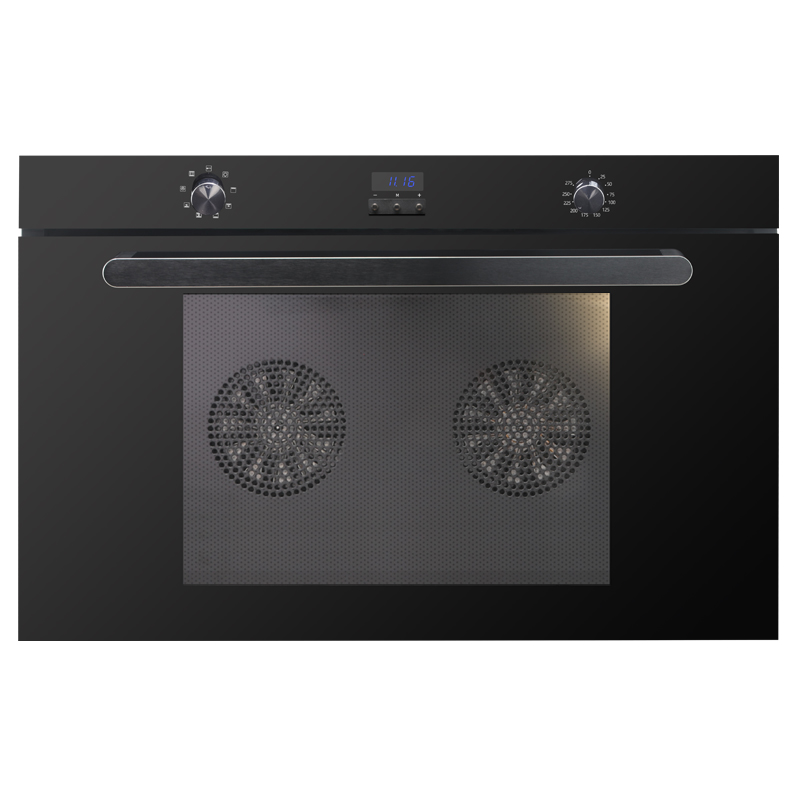
An Electric Wall Oven is a built-in appliance designed to fit seamlessly into kitchen cabinetry, offering modern convenience and a sleek appearance. Unlike traditional freestanding ovens, these wall-mounted units provide a dedicated cooking space and often come with advanced features such as convection cooking, self-cleaning modes, and precise temperature controls.
Key Differences Between Electric Wall Ovens and Traditional Ovens
1. Installation and Space Utilization
Electric wall ovens are integrated into the kitchen wall, which helps save floor space and provides a cleaner, more organized kitchen layout. Traditional ovens, typically part of a freestanding range, occupy floor space and may limit kitchen design flexibility.
2. Cooking Performance
Electric wall ovens often deliver more consistent and even heat distribution compared to traditional gas or electric freestanding ovens. Features like convection fans allow for faster cooking times and improved browning, making them ideal for baking and roasting.
3. Temperature Control
Precise digital controls in an Electric Wall Oven allow users to set exact temperatures, which is crucial for delicate recipes. Traditional ovens may have manual dials that are less accurate, potentially affecting cooking outcomes.
4. Safety and Accessibility
Wall-mounted ovens are installed at eye or waist level, reducing the need to bend down when placing or removing dishes. This can improve safety and ergonomics in the kitchen, especially for heavy or hot items.
5. Energy Efficiency
Modern electric wall ovens are often designed with energy-saving features, such as rapid preheat and efficient insulation. Traditional ovens may consume more energy due to slower heating and less advanced insulation.
Advantages of Electric Wall Ovens
- Space-saving design suitable for modern kitchens
- Even heat distribution and consistent cooking results
- Advanced features like convection, self-cleaning, and programmable settings
- Improved accessibility and safety
- Energy-efficient operation
Frequently Asked Questions (FAQ)
Q1: Can an electric wall oven replace a traditional oven?
Yes, an Electric Wall Oven can replace a traditional oven, especially in kitchens where built-in space and design aesthetics are important. Many models offer comparable or superior performance.
Q2: Are electric wall ovens suitable for all cooking types?
Most electric wall ovens handle a wide range of cooking tasks, from baking and roasting to broiling. Convection models are particularly versatile, but it’s important to select a model that matches specific cooking needs.
Q3: How difficult is it to install an electric wall oven?
Installation usually requires professional help, as it involves electrical connections and precise fitting into cabinetry. Proper installation ensures optimal performance and safety.
Conclusion
Choosing an Electric Wall Oven over a traditional freestanding oven can enhance kitchen design, improve cooking performance, and offer modern features that simplify meal preparation. While traditional ovens remain popular for their versatility and lower initial cost, electric wall ovens are ideal for those seeking convenience, efficiency, and a professional kitchen feel.