中文简体
中文简体 Español
 عربى
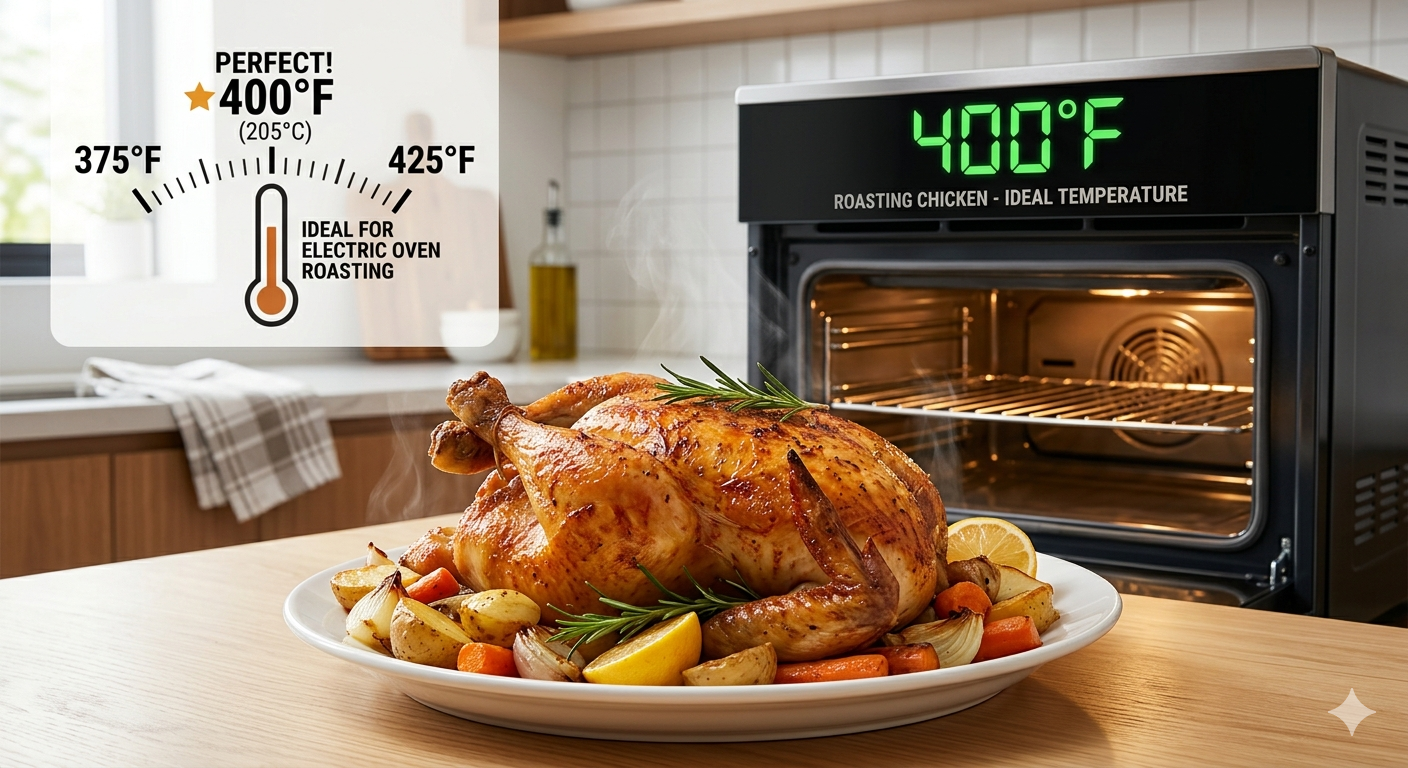
عربىThe ideal electric oven temperature for roasting chicken is 400°F (200°C) for a standard-sized whole bird to achieve the perfect balance of crispy skin and moist interior. While temperatures can range between 350°F and 450°F depending on the desired texture, 400°F provides consistent radiant heat in an electric environment, ensuring the fat renders efficiently without drying out the breast meat.
Content
Why Temperature Selection Matters in an Electric Oven
Electric ovens provide dry, stable heat that is fundamentally different from gas ovens, making the selection of a specific roast temperature critical for skin dehydration. Because electric elements cycle on and off to maintain a precise set point, a temperature that is too low (under 325°F) will result in "steamed" skin, while a temperature that is too high (above 450°F) may burn the exterior before the internal temperature reaches the safe threshold of 165°F.
The Science of the Maillard Reaction at 400°F
The Maillard reaction accelerates significantly at 400°F, creating the complex flavors and golden-brown color associated with a high-quality roast. In an electric oven, the lack of combustion byproducts (like water vapor found in gas ovens) means the air is exceptionally dry. This dry environment allows the chicken skin to crisp up faster through efficient evaporation. For a 3.5 lb chicken, roasting at this temperature typically takes 50 to 60 minutes.
Comparative Analysis: Roasting Temperatures and Outcomes
Different temperature settings yield distinct culinary results, ranging from fall-off-the-bone tenderness at lower heats to rotisserie-style snap at higher heats. To help you choose the best approach for your specific preferences, refer to the comparison table below which outlines the impact of temperature on cooking time and texture in a standard electric oven.
| Oven Temperature | Approx. Cooking Time (per lb) | Skin Texture | Meat Texture |
| 325°F (165°C) | 20 - 25 mins | Soft / Pale | Very Tender / Shreddable |
| 375°F (190°C) | 15 - 20 mins | Lightly Crisp | Classic Roast |
| 400°F (200°C) | 13 - 15 mins | Golden & Crunchy | Juicy & Sliced |
| 450°F (230°C) | 10 - 12 mins | Extra Crispy / Charred | Firm / Risky for Breast |
Optimizing Your Electric Oven for the Best Results
Proper oven calibration and rack positioning are essential to ensure the temperature you set is the temperature the chicken actually receives. Electric ovens often have "hot spots" near the heating elements. For roasting chicken at 400°F, it is highly recommended to place the bird on the middle rack. This allows for even airflow and prevents the top of the chicken from scorching while the bottom remains undercooked.
The Importance of the Preheating Phase
Always preheat your electric oven for at least 20 minutes before inserting the chicken to ensure a thermal equilibrium. While the "ready" light might turn on after 10 minutes, the walls of the oven haven't absorbed enough heat to maintain the temperature once the door is opened. Placing a cold chicken into a partially heated oven leads to uneven cooking and rubbery skin because the fat doesn't begin to render immediately.
- Use a Roasting Pan: A heavy-duty pan helps distribute heat to the bottom of the bird.
- Dry the Skin: Use paper towels to remove all moisture from the surface before seasoning.
- Internal Temperature: Use a meat thermometer to confirm the thickest part of the thigh reaches 165°F (74°C).
- Resting Period: Allow the chicken to rest for 15 minutes after roasting to let juices redistribute.
Safety and Internal Temperature Standards
Food safety requires an internal temperature of 165°F, regardless of the oven temperature used. While roasting at 400°F is the "sweet spot" for texture, the oven temperature is merely the vehicle to reach the safe internal target. In an electric oven, you must be careful with large birds (over 5 lbs); they may require a lower temperature of 375°F to ensure the center is cooked through before the skin burns.
Monitoring Progress in an Electric Environment
Utilize a probe thermometer for the most accurate tracking of heat penetration. Unlike gas ovens that have a slight moisture content in the heat, the intense dry heat of an electric oven can quickly transition from "perfectly done" to "overcooked." By pulling the chicken out when the breast reaches 160°F, carryover cooking will bring it to the final 165°F during the resting phase.
Frequently Asked Questions (FAQ)
Q: Should I use the Fan (Convection) setting on my electric oven?
A: Yes, if using convection, reduce the electric oven temperature to 375°F. The fan circulates hot air, which speeds up the cooking process and crisps the skin more aggressively than standard radiant heat.
Q: How do I prevent the breast meat from drying out at 400°F?
A: You can protect the breast by "dry brining" the chicken with salt 24 hours in advance or by placing the chicken breast-side down for the first 20 minutes of roasting before flipping it over.
Q: Is it better to roast chicken covered or uncovered?
A: Roast uncovered. To achieve the benefit of a high electric oven temperature for roasting chicken, the air must directly contact the skin to dehydrate it and create a crisp texture.
Q: Can I roast frozen chicken at 400°F?
A: It is not recommended. Always thaw chicken completely in the refrigerator before roasting. Roasting from frozen leads to uneven cooking where the exterior overcooks while the interior remains at unsafe temperatures.
Conclusion: Mastery of the Roast
Setting your electric oven to 400°F is the gold standard for home cooks looking for professional-grade roasted chicken. By understanding how the dry heat of an electric system interacts with poultry, and by using data-driven methods like internal temperature monitoring, you can consistently produce a center-piece meal that is visually stunning and delicious. Remember that every oven is slightly different, so use these temperatures as a baseline and adjust by 5-10 degrees based on your specific appliance's performance.