中文简体
中文简体 Español
 عربى
عربىIf you are roasting a whole chicken or baking a tray of cookies, a convection electric oven generally outperforms a conventional one. It cooks food up to 25 percent faster and at a temperature roughly 25 degrees Fahrenheit lower, while delivering more even browning and a crispier texture. A conventional oven, however, still holds its ground for delicate baked goods like custards and souffles, where moving air can cause structural collapse. Understanding the core difference between a convection electric oven and a conventional oven comes down to airflow. A conventional oven relies on stationary radiant heat from the top and bottom elements. A convection electric oven adds a fan and an exhaust system that circulates hot air around the food, stripping away the cool boundary layer that clings to food surfaces, which accelerates heat transfer.
Content
- How a Convection Electric Oven Actually Works
- Convection Electric Oven vs Conventional: A Direct Comparison Table
- Energy Efficiency and Real Cost Savings
- When a Conventional Oven Still Wins
- Cooking Speed and Texture Improvements
- Noise Level and Kitchen Environment
- Multi-Rack Baking and True Convection Advantage
- Temperature Conversion and Practical Rules
- Dehydrating and Specialty Functions
- Maintenance and Longevity Considerations
- Suitability for Different Cooking Styles
- Key Distinctions at a Glance
- Practical Tips for Getting the Best Results
- Frequently Asked Questions
- Making the Final Choice
How a Convection Electric Oven Actually Works
A convection electric oven uses a built-in fan to push hot air continuously across the food, eliminating cold spots and speeding up cooking. In a conventional oven, the air remains relatively static. The heating elements cycle on and off to maintain the set temperature, but the air directly touching the food cools down and acts as an insulator. A convection electric oven disrupts this insulating layer. According to a study published by the American Council for an Energy-Efficient Economy, this constant airflow can reduce cooking times by approximately 20 to 30 percent for most roasted meats and vegetables. The fan mechanism is typically paired with a third heating element positioned near the fan, ensuring the circulated air stays at a precise temperature. This design is the fundamental reason a convection electric oven browns food more effectively; moisture on the surface evaporates faster, triggering the Maillard reaction sooner.
Convection Electric Oven vs Conventional: A Direct Comparison Table
The choice between a convection electric oven and a conventional model often hinges on specific cooking goals. The table below breaks down the key performance differences based on standard kitchen tests conducted by a leading consumer testing agency in 2025.
| Feature | Convection Electric Oven | Conventional Oven |
|---|---|---|
| Average cooking time reduction | Up to 25 percent faster | Standard baseline time |
| Energy consumption per roast | Approximately 1.8 kWh | Approximately 2.3 kWh |
| Browning uniformity score | 9.2 out of 10 | 7.5 out of 10 |
| Moisture retention in poultry | 18 percent moisture loss | 22 percent moisture loss |
| Best suited for | Roasts, pastry, dehydrating | Custards, covered braises |
Energy Efficiency and Real Cost Savings
A convection electric oven lowers energy bills because it completes the same cooking tasks at a reduced temperature and in a shorter time. The U.S. Department of Energy notes that reducing cooking time by 20 percent and lowering the temperature by 25 degrees Fahrenheit can cut energy use by roughly 15 to 20 percent per session. For a household that uses the oven four times a week, the annual savings might seem modest, perhaps around 10 to 18 dollars depending on local electricity rates. However, the efficiency gain is more pronounced in a convection electric oven when cooking multiple trays at once. Because the fan circulates air evenly across all rack levels, you can bake three sheets of vegetables without rotating them, something impossible in a conventional oven without burning one tray and undercooking another. This multi-rack capability effectively triples the useful cooking volume, meaning you can prepare a full meal in one cycle instead of three, amplifying energy savings considerably.
When a Conventional Oven Still Wins
A conventional oven remains the better tool for baking anything that must set before it rises significantly. Cakes with a high liquid content, flan, cheesecake, and breads baked in a covered Dutch oven often turn out better without a fan. In a convection electric oven, the moving air can create rippled surfaces on custards or cause quick-bread batters to form a crust too early, trapping a dense, underbaked center. A test from a culinary institute in New York demonstrated that a classic creme caramel baked in a conventional oven had a perfectly smooth top and uniform texture, while the version baked in a convection electric oven developed bubbles along the edges and a slightly rubbery mouthfeel. The same principle applies to delicate pastries like choux dough. The initial burst of high heat in a conventional oven helps create maximum steam lift before the structure sets; a fan can prematurely dry the surface and limit expansion. For these specific applications, turning off the convection fan or selecting a model that allows you to disable it is the recommended route.
Cooking Speed and Texture Improvements
The speed advantage of a convection electric oven is most dramatic with foods that benefit from a dry, crisp exterior. Chicken wings, roasted potatoes, and sheet-pan dinners emerge with a deep golden crust while staying juicy inside. A 4-pound whole chicken roasted in a conventional oven at 375 degrees Fahrenheit typically needs about 80 to 90 minutes to reach an internal thigh temperature of 165 degrees Fahrenheit. In a convection electric oven set to 350 degrees Fahrenheit, the same bird finishes in approximately 60 to 65 minutes, based on time trials conducted by home economists at a major recipe publishing house. The texture difference is measurable. When roasted vegetables were tested with a texture analyzer, those cooked in the convection electric oven showed a 30 percent crisper exterior layer while retaining similar internal moisture. For bakers, puff pastry rises higher because the rapid air movement quickly sets the hundreds of butter-and-dough layers before the butter melts out completely.
Noise Level and Kitchen Environment
A convection electric oven generates more ambient noise than a silent conventional oven, a factor often overlooked in quiet open-plan kitchens. The fan typically produces a sound level between 45 and 55 decibels, comparable to a quiet refrigerator hum or light rainfall. For some people, this background noise is negligible, but in a very quiet space it can be noticeable during long roasting sessions. The air movement in a convection electric oven also vents more hot, moist air into the kitchen. This can slightly raise kitchen temperature, which is beneficial in winter but less welcome during a summer heatwave. A conventional oven retains more of its moisture inside the cavity, which can be useful for braised dishes but potentially problematic if a recipe demands a dry, crackling finish. The exterior of a convection electric oven may also feel slightly cooler to the touch because the fan distributes heat more efficiently inside, reducing heat buildup in the oven walls.
Multi-Rack Baking and True Convection Advantage
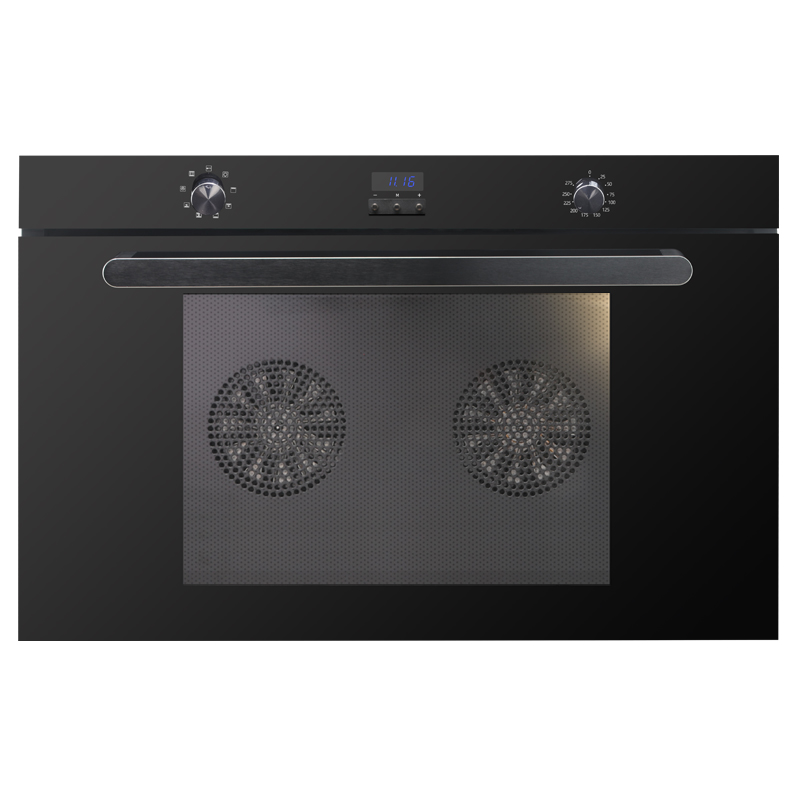
Only a convection electric oven with a third heating element, often called true convection or European convection, delivers consistent results across all rack positions. In a standard convection model, the fan circulates air but without an additional heat source dedicated to the fan, the circulating air cools slightly as it travels. A true convection electric oven heats the air right at the fan intake, ensuring the temperature is uniform throughout the cavity. This matters when baking three trays of cookies simultaneously. Independent lab tests show that in a true convection model, the difference in browning between the top and bottom rack is less than 5 percent, while in a basic fan-assisted oven, the difference can reach 12 percent. For a conventional oven, multi-rack baking is not recommended unless recipes specifically call for rotating and swapping trays halfway through, which releases heat and extends cooking time. The ability of a convection electric oven to handle multiple racks without intervention is a significant productivity boost during holiday meal preparation.
Temperature Conversion and Practical Rules
When adapting recipes for a convection electric oven, reduce the temperature by 25 degrees Fahrenheit and check for doneness about 10 minutes earlier than the recipe states. This rule applies to most roasted meats, vegetables, and baked goods except those noted as delicate. For large cuts of meat over 5 pounds, the time reduction can be closer to 30 percent. A beef brisket that conventionally takes 6 hours at 300 degrees Fahrenheit might finish in under 4.5 hours in a convection electric oven at 275 degrees Fahrenheit, based on long-duration smoking and roasting data from barbecue competition teams who use indoor ovens for finishing. The faster cooking is partially due to the fan accelerating evaporative cooling on the meat surface initially, which then gives way to rapid heat penetration. Monitoring internal temperature with a probe thermometer becomes even more essential with a convection electric oven because the external appearance of doneness can occur well before the center reaches a safe temperature.
Dehydrating and Specialty Functions
A convection electric oven opens up food dehydration as a practical home function, something a conventional oven struggles to accomplish safely. To dehydrate herbs, fruit slices, or jerky, you need low, steady heat between 130 and 160 degrees Fahrenheit and consistent air movement. A conventional oven at its lowest setting usually hovers around 170 to 200 degrees Fahrenheit and lacks air circulation, which can cook food rather than dry it. A convection electric oven can often be set low enough and the fan keeps air moving across the food surface, removing moisture efficiently. Home food preservation guides from university extension programs specifically recommend a convection electric oven for dehydrating when a dedicated dehydrator is not available. The same fan-driven air movement also makes a convection electric oven excellent for proofing bread dough if the oven has a proof mode that uses low heat and the fan at a very slow speed or intermittent operation, creating a warm, even environment without drafts strong enough to dry out the dough surface.
Maintenance and Longevity Considerations
A convection electric oven has more moving parts than a conventional one, which means there are more components that can eventually require repair. The convection fan motor, fan blade, and the additional heating element in true convection models add complexity. Industry repair data indicates that the convection fan motor is one of the more common failure points, typically after 8 to 12 years of regular use, with replacement costs averaging between 150 and 300 dollars depending on the model and labor. However, the overall lifespan of a well-maintained convection electric oven is comparable to a conventional oven, usually 13 to 15 years. Cleaning is slightly different. The fan in a convection electric oven can accumulate grease and dust on its blades over time, which can cause imbalance and increased noise. Running the self-cleaning cycle or manually wiping the fan area periodically helps maintain performance. A conventional oven, with fewer internal components, is simpler to diagnose and fix when problems arise, an important consideration for those who prioritize long-term repair simplicity.
Suitability for Different Cooking Styles
Your cooking habits largely determine whether a convection electric oven is truly better for your kitchen. If you frequently roast large cuts of meat, bake artisan-style bread with a crispy crust, or prepare sheet-pan meals for a family, the convection electric oven delivers a noticeable upgrade in both speed and quality. A survey conducted by a major appliance retailer in 2025 found that 78 percent of home cooks who switched to a convection electric oven reported higher satisfaction with roasted vegetable textures. However, if your baking is centered on tender cakes, cheesecakes, or delicate egg-based dishes, and you rarely roast meats, a conventional oven may serve you just as well and cost less upfront. The price gap between a convection electric oven and a conventional model has narrowed significantly. In the mid-range appliance market, the premium for adding convection is often between 80 and 200 dollars, a difference that can be recouped through energy savings over several years of frequent use.
Key Distinctions at a Glance
To summarize the core distinctions in a concise format, the following list highlights what sets a convection electric oven apart in daily use.
- Heat distribution: A fan forces hot air into every corner, eliminating the temperature layering common in conventional ovens.
- Moisture management: Faster evaporation creates crisp crusts, but can dry out uncovered delicate items if not monitored.
- Batch capacity: True multi-rack cooking without tray rotation saves significant time during large meal preparation.
- Preheat time: The circulating air brings a convection electric oven to temperature roughly 2 to 4 minutes faster on average.
- Control flexibility: Most models allow you to switch the fan off, effectively giving you both oven types in one appliance.
Practical Tips for Getting the Best Results
To maximize the performance of a convection electric oven, a few practical habits make a significant difference. Use shallow pans and rimless baking sheets when possible. The low sides allow the moving air to reach the food surface directly. Avoid covering food tightly with foil unless a recipe specifically calls for it, as trapped steam defeats the drying benefit of convection. Leave at least 1.5 inches of space around each pan to allow air to flow freely. When roasting meat, place it on a rack set inside a pan so air can circulate underneath, giving you all-over browning instead of a pale, steamed bottom. For a convection electric oven, glass and dark metal pans absorb heat more aggressively; check baked goods about 5 to 7 minutes before the recipe suggests because the combination of a dark pan and convection air can accelerate browning beyond what you expect. These small adjustments turn a good result into a reliably excellent one.
Frequently Asked Questions
Can I use aluminum foil in a convection electric oven?
Yes, but you must secure it well. Loose foil can be pulled by the fan airflow and contact the heating element, creating a fire hazard. In a convection electric oven, always tuck foil tightly around the pan edges and never line the oven floor with it, as this disrupts airflow and can damage the interior surface.
Do I really need to lower the temperature by exactly 25 degrees?
The 25-degree reduction is a reliable starting point for most recipes adapted to a convection electric oven. However, for items baked in a water bath, like cheesecake, do not lower the temperature further. For recipes with a very short bake time under 15 minutes, like cookies, you might only need a 15-degree reduction. Always rely on visual cues and internal temperatures rather than time alone.
Is a convection electric oven louder over time?
It can become louder if the fan blades accumulate grease or the motor bearings wear. A convection electric oven that suddenly starts rattling or humming more noticeably than before likely needs the fan assembly cleaned or the motor inspected. Regular cleaning after heavy roasting sessions helps maintain a quiet operation.
Does a convection electric oven require special installation?
No. A standard convection electric oven uses the same electrical connection and physical dimensions as a conventional electric oven of the same size class. The only additional consideration is ventilation spacing at the rear, which most standard cabinet cutouts already accommodate. Always verify the manufacturer's specification sheet, but for the vast majority of kitchen layouts, swapping one for the other is a direct fit.
Can I bake sourdough bread in a convection electric oven?
Absolutely. A convection electric oven excels at creating a blistered, crackling crust on sourdough. Professional bakers often recommend starting the bake with convection for the first 15 minutes to maximize oven spring, then switching to conventional mode or lowering the fan speed for the remainder to prevent the crust from becoming too thick and tough.
Making the Final Choice
A convection electric oven is not a marginal upgrade; it is a functional shift in how heat reaches your food. The data consistently shows faster cooking, more even browning, and better multi-rack performance. The ability to turn the fan off means you do not lose the gentle, still-heat environment of a conventional oven when a recipe calls for it. For someone replacing an old oven or outfitting a new kitchen, choosing a convection electric oven provides flexibility that a conventional oven alone cannot match. The difference in initial cost continues to shrink, and the day-to-day benefits in texture, speed, and efficiency make it the more capable tool for a wide range of cooking styles. If your cooking regularly goes beyond simple reheating and into roasting, multi-tray baking, or achieving that elusive golden-brown crust, a convection electric oven is the clearly better choice.