中文简体
中文简体 Español
 عربى
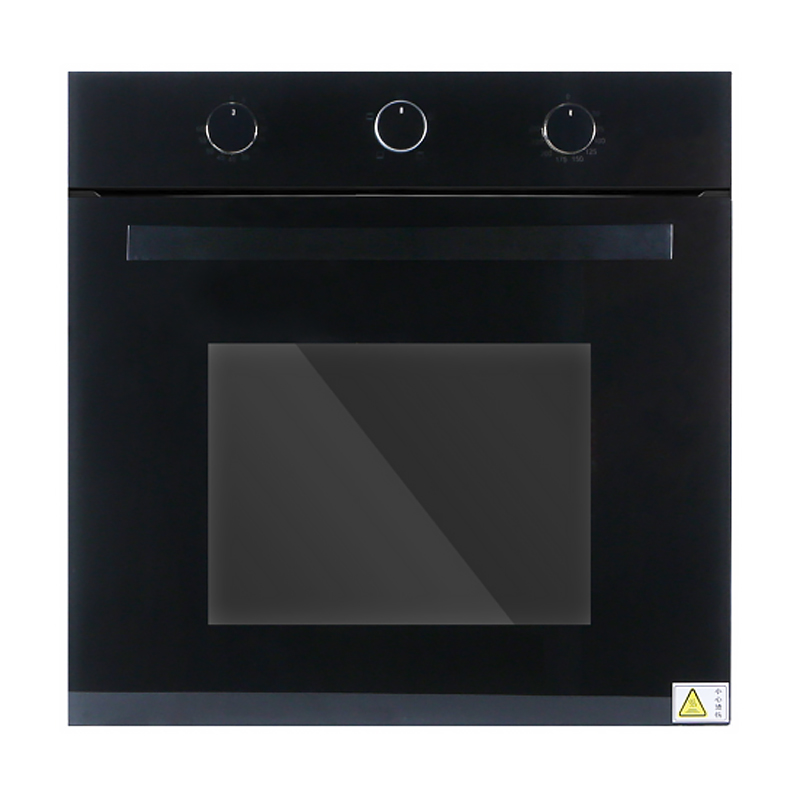
عربىThe fastest, safest way to clean a greasy electric oven without harsh chemicals is to use a baking soda and white vinegar paste, applied overnight and wiped away the next morning. This method removes even baked-on grease effectively, costs less than $1, and leaves no toxic residue on your heating elements or oven walls. In this guide, you'll find a step-by-step cleaning method, comparison tables, pro tips, and answers to the most common questions.
Content
- Why You Should Avoid Harsh Chemicals in Your Electric Oven
- What You'll Need to Clean a Greasy Electric Oven Naturally
- Step-by-Step: How to Clean a Greasy Electric Oven Without Harsh Chemicals
- Step 1 — Safety First: Switch Off and Cool Down
- Step 2 — Remove Oven Racks, Trays, and the Thermometer
- Step 3 — Brush Out Loose Debris
- Step 4 — Mix and Apply the Baking Soda Paste
- Step 5 — Let It Sit Overnight (8–12 Hours)
- Step 6 — Spray With White Vinegar
- Step 7 — Wipe Clean
- Step 8 — Clean the Oven Door Glass
- Step 9 — Clean the Oven Racks
- Step 10 — Final Wipe and Air Out
- Comparing Natural Oven Cleaning Methods: Which Works Best?
- Natural Cleaning vs. Commercial Chemical Cleaners: A Full Comparison
- Pro Tips for Keeping Your Electric Oven Cleaner for Longer
- Frequently Asked Questions About Cleaning a Greasy Electric Oven Naturally
- Can I put baking soda directly on the electric heating element?
- How often should I deep clean my electric oven without chemicals?
- Is white vinegar safe to use inside an electric oven?
- What if the grease is extremely thick and years old?
- Can I use this method on a self-cleaning electric oven?
- Does baking soda scratch the oven's enamel coating?
- Can I speed up the process without using chemicals?
- Quick Summary: Clean a Greasy Electric Oven Without Harsh Chemicals
Why You Should Avoid Harsh Chemicals in Your Electric Oven
Harsh chemical oven cleaners pose real health and safety risks inside electric ovens, especially when residue is left near exposed heating elements. Commercial oven sprays commonly contain sodium hydroxide (lye) and ethylene glycol monobutyl ether — compounds classified as corrosive irritants by the U.S. National Institute for Occupational Safety and Health (NIOSH).
Here's what the science and real-world use say about the risks:
- Fume inhalation: When chemical cleaners are heated after application, they can release VOCs (volatile organic compounds) that irritate the respiratory system. Studies by the Environmental Working Group (EWG) found that popular chemical oven cleaners rated among the most toxic household products.
- Residue contamination: Even after rinsing, chemical residue can remain on oven walls and transfer to food during the next cooking cycle, especially at high temperatures above 400°F (204°C).
- Damage to oven components: Strong alkaline cleaners can corrode the chrome or enamel coating inside electric ovens over time, reducing the lifespan of internal surfaces.
- Environmental impact: Chemical drain-off from oven cleaners contributes to water-system contamination when washed down the sink.
Natural alternatives — primarily baking soda, white vinegar, dish soap, and lemon juice — deliver comparable cleaning results for everyday and moderate grease buildup, with zero toxic risk.
What You'll Need to Clean a Greasy Electric Oven Naturally
You only need four common household ingredients and a few basic tools to tackle even the greasiest electric oven. Most of these items cost under $5 total and are likely already in your kitchen.
| Item | Purpose | Estimated Cost |
|---|---|---|
| Baking soda (bicarbonate of soda) | Mildly abrasive paste base; breaks down grease | ~$0.50 / use |
| White vinegar (distilled) | Acid activator; dissolves mineral deposits & grease | ~$0.20 / use |
| Dish soap (unscented) | Cuts through oily film; helps rinse away residue | ~$0.10 / use |
| Lemon juice (fresh or bottled) | Deodorizer; boosts acid action on burnt residue | ~$0.15 / use |
| Rubber gloves | Hand protection from grease and paste | $2–$5 (reusable) |
| Plastic or silicone scraper | Removes thick baked-on grease without scratching | $1–$3 |
| Microfiber cloths (x2–3) | Wiping and final polish without streaking | $3–$6 |
| Spray bottle | Even application of vinegar spray | $1–$2 |
Table 1: Supplies needed to clean a greasy electric oven without harsh chemicals, along with their purpose and estimated cost per cleaning session.
Step-by-Step: How to Clean a Greasy Electric Oven Without Harsh Chemicals
The complete overnight baking-soda method takes about 15 minutes of active effort and delivers a deeply clean oven by morning. Follow these steps carefully, especially around the electric heating elements.
Step 1 — Safety First: Switch Off and Cool Down
Always ensure the electric oven is completely switched off at the power source and fully cooled before beginning any cleaning. Never clean an electric oven while warm; residual heat can cause burns and prematurely dry out your cleaning paste before it has time to work. For extra safety, unplug the oven from its socket if it is a freestanding unit. Wait at least 45–60 minutes after last use before starting.
Step 2 — Remove Oven Racks, Trays, and the Thermometer
Take out all removable components so you can clean them separately and access every interior surface. Pull out oven racks, drip trays, and any oven thermometers. Place the racks into the kitchen sink or a large plastic tub filled with hot water and 2–3 tablespoons of dish soap. Let them soak while you work on the oven interior — by the time you're done inside, the racks will have loosened grease ready to scrub off easily.
Step 3 — Brush Out Loose Debris
Use a dry cloth or soft brush to sweep out loose crumbs and dry debris before applying any wet paste. This prevents crumbs from absorbing your cleaning paste and reduces the amount of paste needed. Pay special attention to the oven floor and the area around the lower heating element, where food particles collect most densely.
Step 4 — Mix and Apply the Baking Soda Paste
Mix ½ cup of baking soda with 2–3 tablespoons of water (and optionally 1 tablespoon of dish soap) to form a thick spreadable paste — it should hold to vertical surfaces without dripping. Wearing rubber gloves, spread the paste across every greasy interior surface: the oven walls, back panel, floor, and inside the oven door. Avoid coating the bare metal heating elements directly. For extra-greasy ovens, add a few drops of lemon juice to the paste to boost its acidic degreasing action. The paste will turn yellowish-brown as it absorbs grease — that's a sign it's working.
Step 5 — Let It Sit Overnight (8–12 Hours)
The longer you leave the baking soda paste, the more effectively it breaks down hardened grease — a minimum of 8 hours is recommended for heavily soiled ovens. Close the oven door and go to bed. For a lightly soiled oven, a 2–3 hour rest during the day is sufficient. The alkalinity of baking soda (pH 8.3) gradually saponifies (converts to soap) the fatty acids in baked-on grease, making removal dramatically easier.
Step 6 — Spray With White Vinegar
After the overnight soak, spray the dried baking soda paste generously with undiluted white vinegar to trigger a foaming reaction that lifts the loosened grease. Fill a spray bottle with distilled white vinegar and mist all areas coated with the paste. The fizzing action (caused by the acid–base reaction between vinegar and baking soda) breaks the paste into a loose foam that is far easier to wipe away. Let the fizzing settle for 2–3 minutes.
Step 7 — Wipe Clean
Use a damp microfiber cloth to wipe away the foamy paste residue in circular motions, rinsing the cloth frequently. For any stubborn patches, use a plastic or silicone scraper to lift the residue without scratching the oven's enamel. Never use steel wool or metal scourers on electric oven interiors — they remove the protective coating and accelerate rusting. Repeat the spray–wipe process in particularly grimy areas until the surface is clean.
Step 8 — Clean the Oven Door Glass
The oven door glass collects the most visible grease and requires a slightly more concentrated paste application. Spread the same baking soda paste onto the interior glass, leave for 30 minutes (or longer for heavy buildup), then spray with vinegar and wipe clean with a microfiber cloth. For a crystal-clear finish, follow up with a 50/50 water-and-white-vinegar spray and a dry cloth. This removes streaks and leaves the glass sparkling.
Step 9 — Clean the Oven Racks
After soaking overnight in hot soapy water, oven racks can be scrubbed clean with a non-scratch scourer in just a few minutes. For very greasy racks, sprinkle baking soda directly onto the rack surface while it's still wet from soaking, then scrub with a nylon brush. Rinse thoroughly and dry before returning to the oven. If racks have heavy rust staining, a paste of baking soda and lemon juice left for 20 minutes removes most discoloration.
Step 10 — Final Wipe and Air Out
Do a final damp wipe of the entire interior, then leave the oven door ajar for 30 minutes to air out any remaining vinegar smell. Replace the oven racks, close the door, and run the oven at 300°F (150°C) for 10 minutes to fully evaporate moisture and confirm all residue has been removed. Your electric oven should now be clean, grease-free, and odour-neutral.
Comparing Natural Oven Cleaning Methods: Which Works Best?
The baking soda + vinegar combination consistently outperforms single-ingredient methods for stubborn, baked-on electric oven grease. The table below compares the most popular chemical-free approaches side by side.
| Method | Key Ingredients | Soak Time Needed | Best For | Limitations |
|---|---|---|---|---|
| Baking Soda + Vinegar | Baking soda, white vinegar | 8–12 hours | Heavy baked-on grease | Requires planning ahead |
| Dish Soap + Hot Water | Dish soap, warm water | 15–30 minutes | Light, fresh grease | Ineffective on baked-on residue |
| Lemon + Salt Scrub | Lemon juice, table salt | 20–30 minutes | Deodorising & light cleaning | Salt can scratch enamel surfaces |
| Steam Cleaning (Water Only) | Water, heat | 20–30 minutes | Loosening fresh spills | Does not remove hardened grease |
| Baking Soda + Lemon | Baking soda, lemon juice | 4–6 hours | Moderate grease + deodorising | Slightly less effective than vinegar |
| Vinegar Spray Only | White vinegar | 5–10 minutes | Quick wipe-downs & maintenance | Cannot penetrate thick grease layers |
Table 2: Side-by-side comparison of six natural oven cleaning methods rated by grease-cutting power, required soak time, ideal use case, and key limitations.
Natural Cleaning vs. Commercial Chemical Cleaners: A Full Comparison
For most home users, natural methods match or exceed commercial chemical cleaners in safety, cost, and long-term results — the only genuine advantage of chemical cleaners is speed on extreme, years-old buildup.
| Factor | Natural Methods | Commercial Chemical Cleaners |
|---|---|---|
| Cost per use | $0.50–$1.00 | $5–$12 per can |
| Safety for food contact | Food-safe; no toxic residue | Risk of residue if not fully rinsed |
| Fumes / VOCs | None (vinegar smell dissipates) | Strong, potentially harmful fumes |
| Effectiveness on light grease | Excellent | Excellent |
| Effectiveness on heavy baked-on grease | Good (with overnight soak) | Very good (faster) |
| Surface safety | Safe on enamel, chrome, glass | Can corrode enamel over time |
| Environmental impact | Biodegradable; eco-friendly | Polluting; non-biodegradable chemicals |
| Skin/eye irritation risk | Minimal | High (lye-based formulas) |
| Safe for homes with children/pets | Yes | Requires careful storage & ventilation |
Table 3: Head-to-head comparison of natural cleaning methods versus commercial chemical oven cleaners across nine key factors for electric oven use.
Pro Tips for Keeping Your Electric Oven Cleaner for Longer
The best way to avoid a deep clean is to prevent heavy grease buildup in the first place with a few consistent habits.
- Use oven liners: Place a reusable silicone oven liner on the oven floor beneath the lowest rack. It catches drips and food spills before they bake onto the surface. Most liners are dishwasher-safe and can be wiped clean in seconds. Studies show that homes using oven liners reduce the frequency of deep cleans from monthly to every 3–4 months.
- Quick wipe after every use: Once the oven is cool, take 2 minutes to wipe the interior with a damp microfiber cloth. Fresh grease takes seconds to remove; the same grease baked on for a week may require an overnight soak. This single habit is the highest-impact prevention step.
- Cover dishes when roasting: Use a roasting lid, tent of foil, or covered baking dish when cooking greasy foods like chicken or casseroles. This dramatically reduces the amount of grease that splatters onto oven walls.
- Monthly vinegar spray: Once a month, spray the oven interior with a 50/50 white vinegar and water solution, leave for 10 minutes, then wipe clean. This prevents mineral deposits and grease films from accumulating.
- Clean spills immediately: If something spills during cooking, switch the oven off once the food is done and wipe the spill while the oven is still slightly warm (but not hot). Warm, fresh spills clean 4–5 times faster than cold, set ones.
- Deodorise monthly with lemon steam: Place an oven-safe bowl filled with water and sliced lemons on the middle rack. Heat at 250°F (120°C) for 30 minutes. The citrus steam softens any grease film and neutralises odours naturally.
Frequently Asked Questions About Cleaning a Greasy Electric Oven Naturally
Can I put baking soda directly on the electric heating element?
No — avoid applying baking soda paste directly onto the bare metal heating elements of your electric oven. While baking soda itself is non-corrosive, moisture from the paste can seep into the element's internal wiring and cause a short circuit when the oven is next turned on. Instead, clean around and beneath the elements carefully, and use a barely damp cloth to gently wipe the surface of the element itself once it has been removed (if removable).
How often should I deep clean my electric oven without chemicals?
For average home use, a full baking soda deep clean every 3–4 months is sufficient, with a light vinegar wipe-down monthly. If you roast or bake fatty foods more than 3 times per week, consider deep cleaning every 6–8 weeks. Research from appliance manufacturers indicates that ovens cleaned regularly at this frequency maintain their heating efficiency 15–20% better than neglected ovens, since thick grease layers act as insulation and increase energy consumption.
Is white vinegar safe to use inside an electric oven?
Yes, white vinegar is completely safe for cleaning electric oven interiors, including enamel, chrome racks, and glass doors. The acetic acid concentration in standard distilled white vinegar (5%) is strong enough to dissolve mineral deposits and cut through grease films but not acidic enough to damage oven surfaces. The vinegar smell dissipates completely once the oven has been aired out and run briefly at low heat.
What if the grease is extremely thick and years old?
For extremely thick, carbonised, years-old grease, the baking soda method may need to be repeated 2–3 times or supplemented with mechanical scraping. Apply a thick paste layer, leave for 12 hours, scrape away the bulk of the residue with a plastic scraper, then apply a second layer for another 6–8 hours before the final wipe. In rare cases where the grease has solidified into a tar-like carbon layer, soaking the paste with a slightly warmer (not hot) damp cloth before wiping can help re-activate the loosening action.
Can I use this method on a self-cleaning electric oven?
Yes — natural baking soda cleaning is actually preferable to the pyrolytic (self-clean) cycle for light-to-moderate grease buildup, as it avoids the extreme 900°F (480°C) heat and heavy smoke produced by the self-clean function. The self-clean cycle, while effective, can release carbon monoxide and acrolein fumes in quantities that require excellent ventilation and can be harmful to birds and sensitive individuals. For heavy buildup, alternating between the natural method and the occasional self-clean cycle is a sensible approach.
Does baking soda scratch the oven's enamel coating?
No — baking soda is a very mild abrasive (Mohs hardness of approximately 2.5) that will not scratch vitreous enamel oven surfaces (Mohs hardness 6–7). By contrast, steel wool (Mohs 4–4.5) and some commercial scrubbing pads are hard enough to leave micro-scratches on enamel that trap future grease and stain more easily. Baking soda paste applied with a microfiber cloth is the ideal combination of gentle abrasion and chemical cleaning action.
Can I speed up the process without using chemicals?
You can reduce soak time to 2–3 hours for moderate grease by adding a tablespoon of dish soap to the baking soda paste and gently warming the oven to 100°F (38°C) for 10 minutes before applying it. The slight warmth opens up the carbonised grease layer, allowing the paste to penetrate faster. However, never apply the paste to a hot oven; warm means just above room temperature — warm enough to notice, not hot enough to burn. This shortcut works well for regular maintenance cleans but is less effective than the overnight soak for heavily neglected ovens.
Quick Summary: Clean a Greasy Electric Oven Without Harsh Chemicals
- Switch off and fully cool the oven; unplug if possible.
- Remove and soak racks in hot soapy water.
- Sweep out loose debris.
- Apply baking soda + water paste to all interior surfaces (avoid heating elements).
- Leave overnight for 8–12 hours.
- Spray with undiluted white vinegar and let fizz for 2–3 minutes.
- Wipe clean with a damp microfiber cloth; scrape stubborn spots with a plastic scraper.
- Clean door glass with the same paste, then polish with vinegar spray.
- Scrub soaked racks, rinse, and dry.
- Air out, then run at 300°F (150°C) for 10 minutes.