中文简体
中文简体 Español
 عربى
عربىTo choose the right electric oven size, you must match the appliance's external dimensions to your kitchen cabinetry and its internal capacity to your household's cooking habits. Selecting an oven is a balance between available spatial footprint and culinary requirements. A standard 60cm wide oven is the industry benchmark for most families, while compact 45cm models or extra-wide 90cm units serve specific niche needs.
Content
- Understanding Standard Electric Oven Dimensions
- Internal Capacity: How Many Liters Do You Need?
- Matching Oven Size to Your Cooking Style
- Installation Considerations: Built-in vs. Built-under
- Analyzing Energy Efficiency and Size
- Frequently Asked Questions (FAQ)
- Final Checklist for Choosing Your Electric Oven Size
Understanding Standard Electric Oven Dimensions
Standard electric ovens typically fall into three primary width categories: 45cm (compact), 60cm (standard), and 90cm (wide). Before purchasing, you must measure your "cut-out" space—the hollow area in your cabinetry where the oven will sit—rather than just the front panel of your old appliance.
| Oven Type | Typical Width | Typical Height | Best For |
|---|---|---|---|
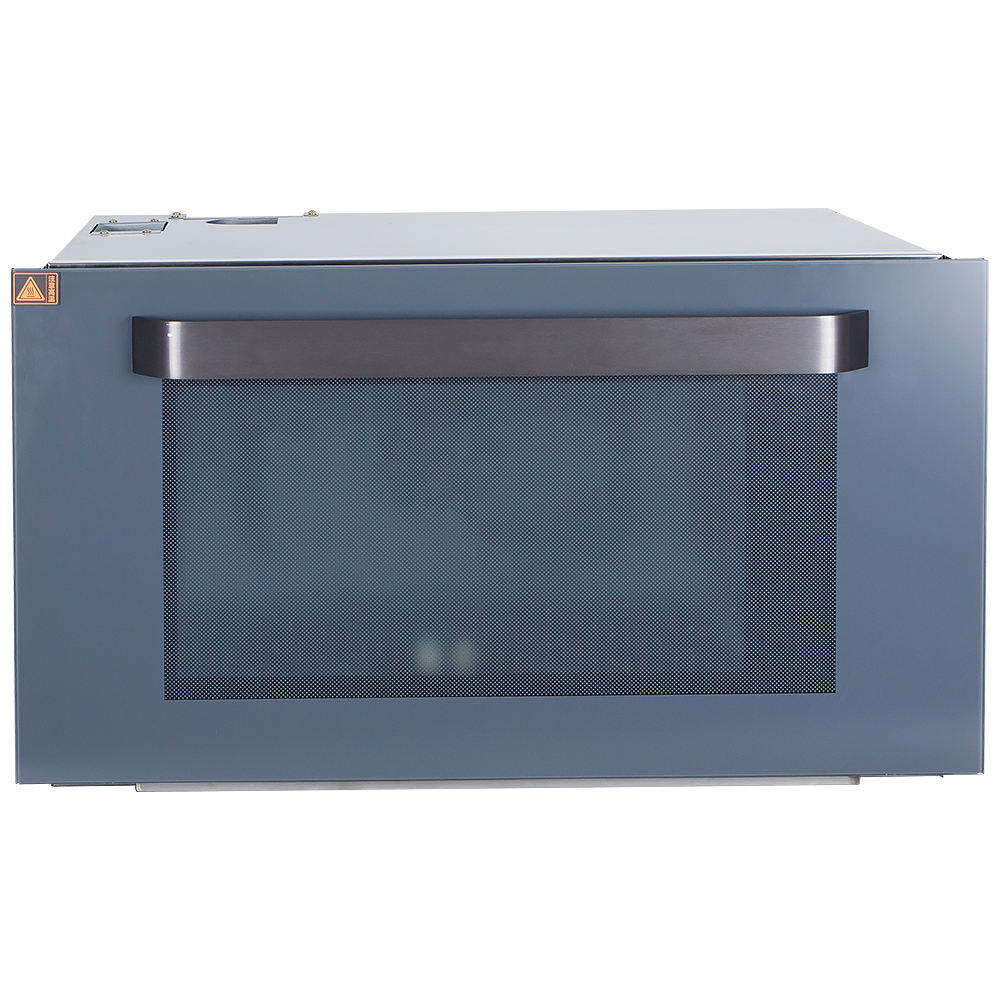
| Compact | 45 cm | 45 cm | Studios / Secondary Ovens |
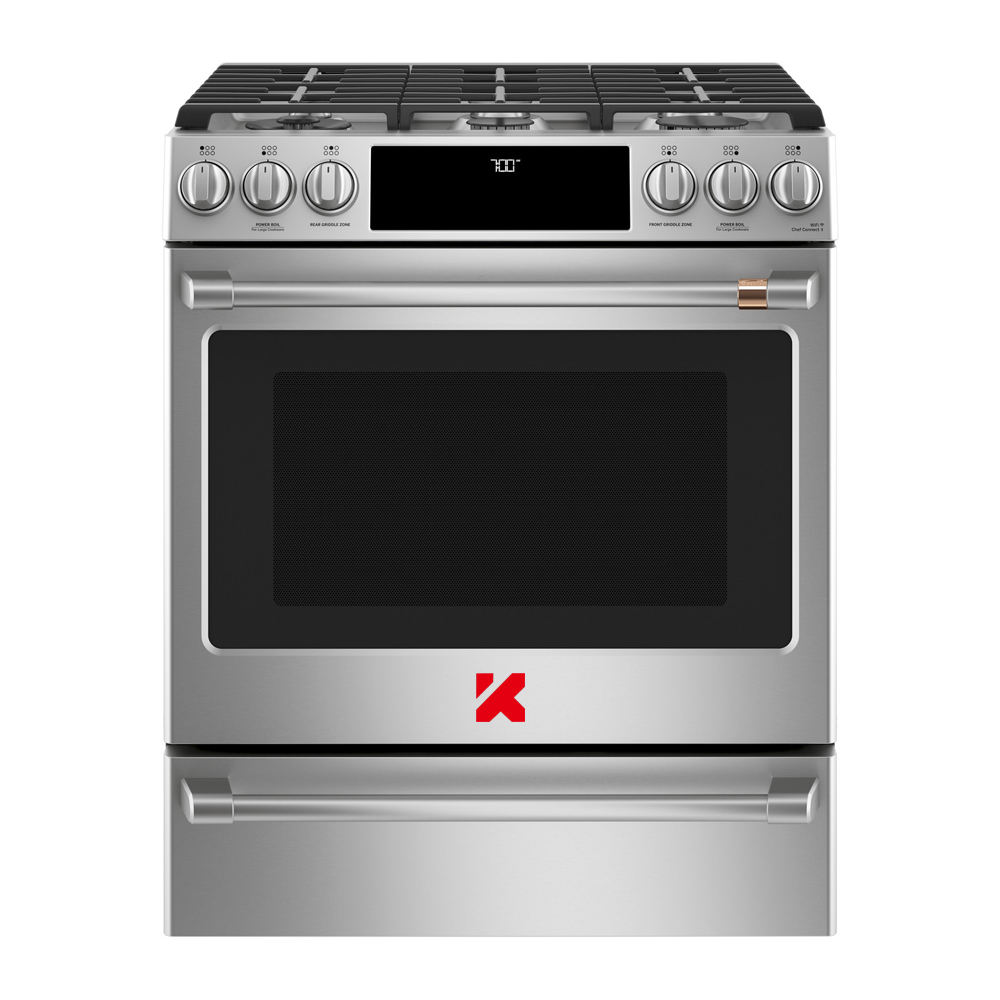
| Standard Single | 60 cm | 60 cm | Average Families (3-4 people) |
| Standard Double | 60 cm | 70 - 90 cm | Multitaskers / Large Families |
| Large / Range | 90 cm | 48 - 60 cm | Entertaining / Professional Use |
Internal Capacity: How Many Liters Do You Need?
Internal capacity, measured in liters (L), determines how much food you can cook simultaneously and the size of the trays you can use. While external dimensions are often fixed, the usable internal space can vary between manufacturers due to insulation thickness and fan placement.
1. Small Capacity (35L - 45L)
Small capacity ovens are ideal for individuals or couples living in apartments where space is at a premium. These models are typically 45cm high and can fit a standard chicken or a small tray of roasted vegetables. However, they may struggle with large pizza stones or wide baking sheets.
2. Standard Capacity (60L - 75L)
The 60L to 75L range is the "sweet spot" for most households, offering enough room for a 5kg turkey and multiple side dishes. If you frequently bake on two levels or roast a full Sunday dinner for four people, aiming for at least 70L of usable space provides the airflow necessary for even heat distribution.
3. Large Capacity (80L - 110L+)
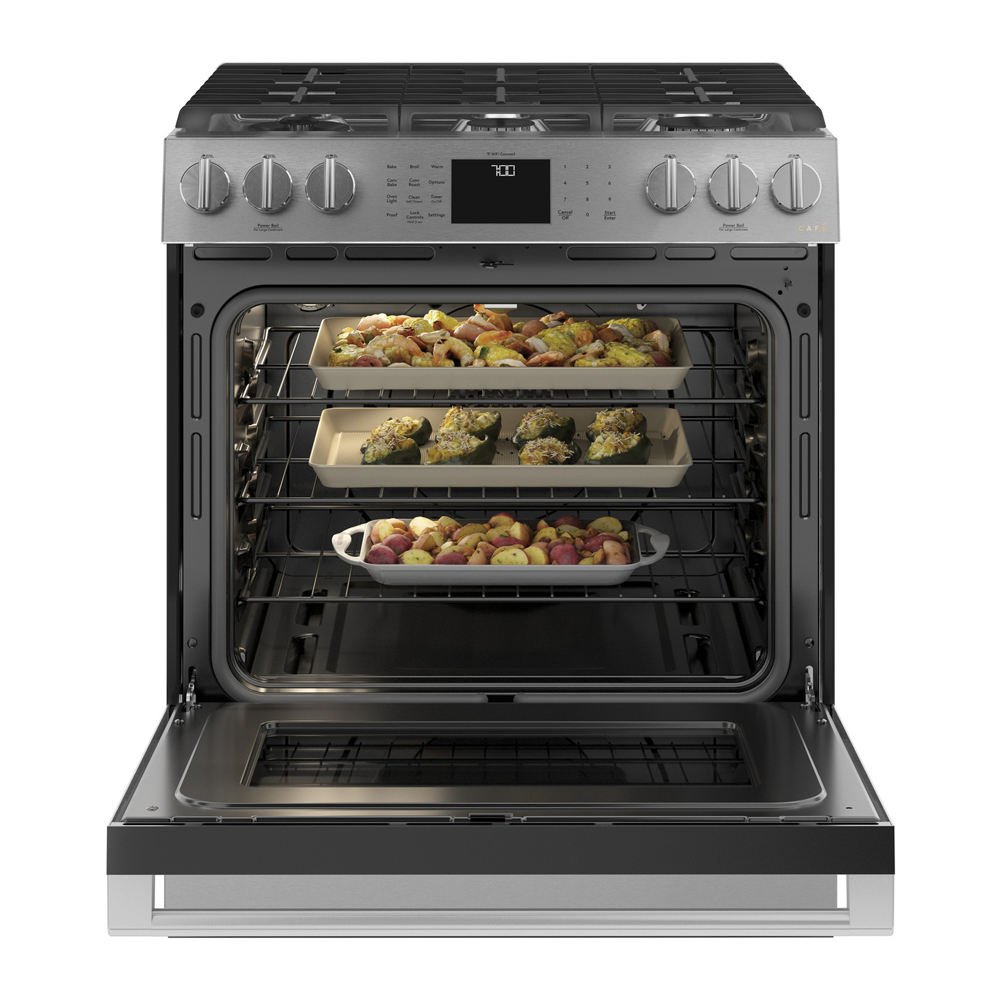
Large capacity ovens are designed for those who entertain frequently or have families of five or more. A 90cm wide oven usually offers over 100L of space, allowing you to place two large baking trays side-by-side on a single rack. This is a game-changer for holiday catering or batch-cooking.
Matching Oven Size to Your Cooking Style
Your personal cooking style is the most critical factor in determining if a standard single oven or a double oven is required. Don't just look at the liters; look at how you use those liters.
- The Batch Baker: Requires an oven with excellent convection airflow and at least 5 shelf positions. A standard 70L oven is usually sufficient if the fan technology is high-quality.
- The Sunday Roaster: Needs vertical height. Check the distance between the lowest shelf and the top heating element to ensure a large pot or bird will fit.
- The Multi-Tasker: Should consider a double oven. This allows you to grill at a high temperature in the top cavity while slow-roasting in the bottom cavity.
Installation Considerations: Built-in vs. Built-under
The location of your oven—whether at eye level or under the counter—dictates the practical ergonomics of the oven size you choose. An eye-level "built-in" oven allows for easier monitoring of food, whereas a "built-under" oven must fit precisely beneath the countertop, often limiting you to 60cm height models.
Venting and Clearance
Electric ovens generate significant heat and require a ventilation gap (typically 5mm to 10mm) around the chassis. Never choose an oven that fits "flush" against the back wall without checking the manufacturer’s installation guide. For example, most 60cm ovens require a cabinet depth of at least 560mm to allow for wiring and airflow.
Analyzing Energy Efficiency and Size
Larger ovens generally consume more energy to preheat, so choosing an oversized oven for a small household can lead to higher utility bills. It takes approximately 10-15% more energy to heat a 90cm oven compared to a standard 60cm oven.
| Feature | 60cm Single Oven | 90cm Wide Oven | 60cm Double Oven |
|---|---|---|---|
| Energy Consumption | Moderate | High | Variable (Depends on Cavity Used) |
| Preheat Time | 7-10 mins | 12-18 mins | 5-8 mins (Small Cavity) |
| Flexibility | Standard | Excellent for Large Items | Best for Different Temperatures |
Frequently Asked Questions (FAQ)
Q: Can I replace a 60cm single oven with a double oven?
A: Yes, but only if you have the vertical cabinet space or are willing to modify your kitchen. Most double ovens are much taller (70cm-90cm) than standard single ovens (60cm). You will likely need to remove a drawer or cabinet shelf to accommodate the extra height.
Q: Does a larger oven capacity mean better cooking results?
A: Not necessarily; consistent heat distribution is more important than raw volume. While a larger oven allows for better airflow when crowded, a high-quality 65L oven with a superior fan system will often outperform an 80L oven with poor insulation and hotspots.
Q: How do I measure for a new oven correctly?
A: Measure the internal width, height, and depth of the cabinet opening (the cut-out), not the old oven's faceplate. Modern ovens often have "slim-fit" bezels, so relying on the front measurements can lead to a unit that doesn't slide into the niche properly.
Final Checklist for Choosing Your Electric Oven Size
To ensure you make the right investment, run through this final checklist before finalizing your purchase. Choosing an oven is a long-term decision, typically lasting 10-15 years, so forward-thinking is essential.
- Measure Twice: Confirm the cut-out dimensions (Width x Height x Depth).
- Check Your Trays: If you have expensive professional-grade baking sheets, ensure the internal width of the oven can accommodate them.
- Assess Your Power Supply: Larger ovens (especially double ovens) may require a 30-amp or 45-amp dedicated circuit, whereas smaller models might run on a standard plug.
- Family Growth: If you plan on expanding your family, opting for a 70L+ capacity now will save you from needing an upgrade in three years.
By following these guidelines and focusing on electric oven capacity, kitchen dimensions, and cooking functionality, you will find an appliance that perfectly complements your home and your culinary ambitions.